What would have been a week in Australia, has already turned into 7 months (and counting). We had intended to be back by now, but have decided to stay out as here until normality returns back home.
Here’s what we’ve been up to…
March – April: We quarantined, and isolated a bit more
May: We spent a month in ghost town Port Douglas
June: We rented a motorhome and toured Queensland
July: We bought a car and converted it to a camper
August: We got stuck in Clem Walton Park
September: We toured the Northern Territory
October: We went back to touring Queensland
This blog is about our experiences in June.
“W.T.F. is THAT?!”
Us – upon encountering yet another strange-looking unidentified animal.
Our rental vehicle
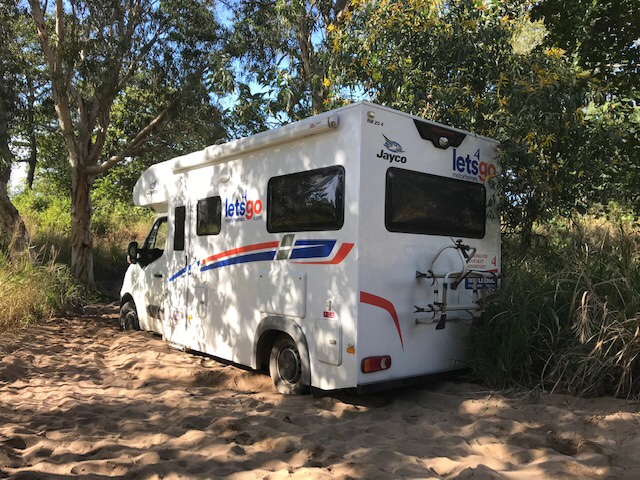
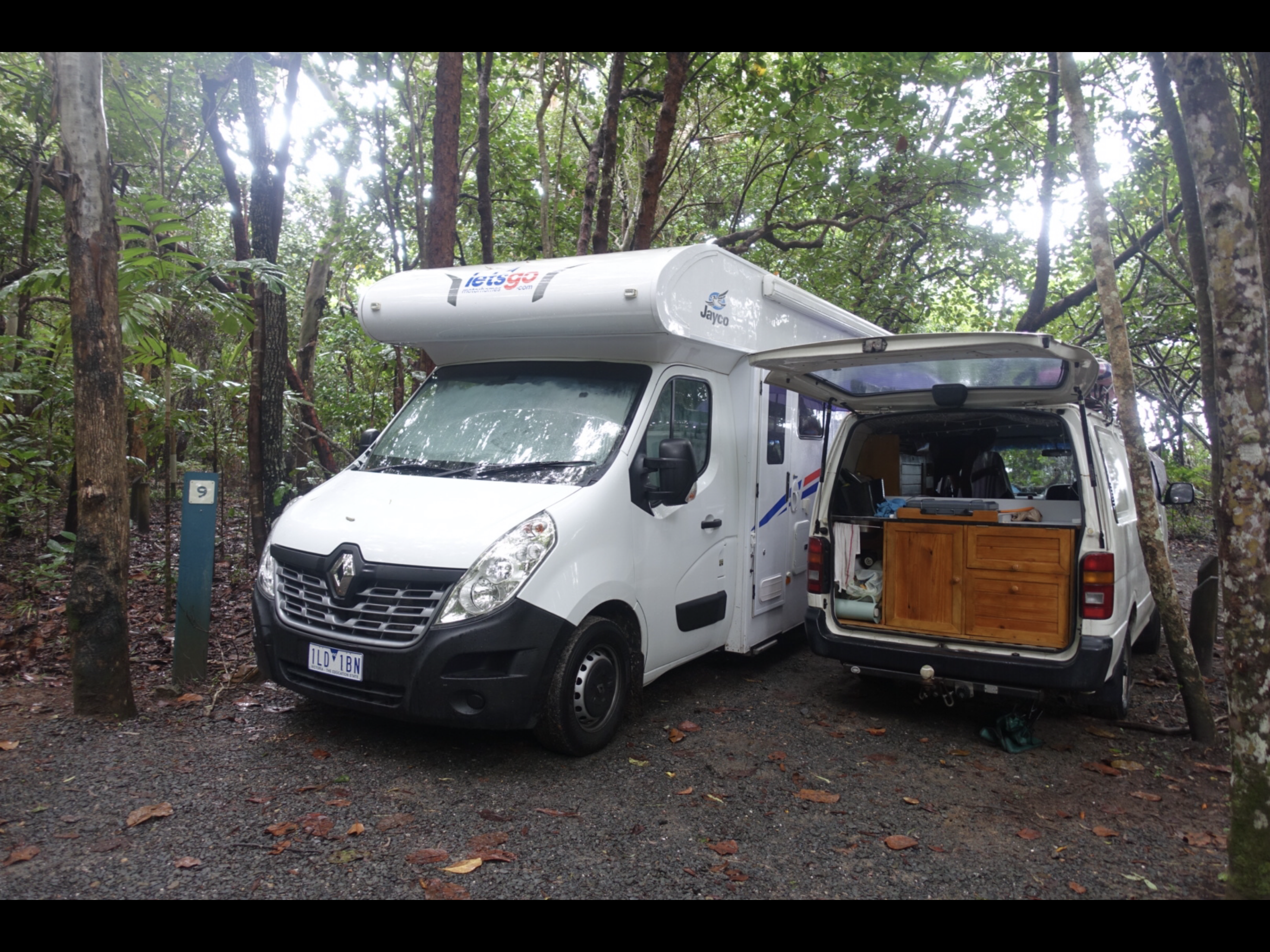
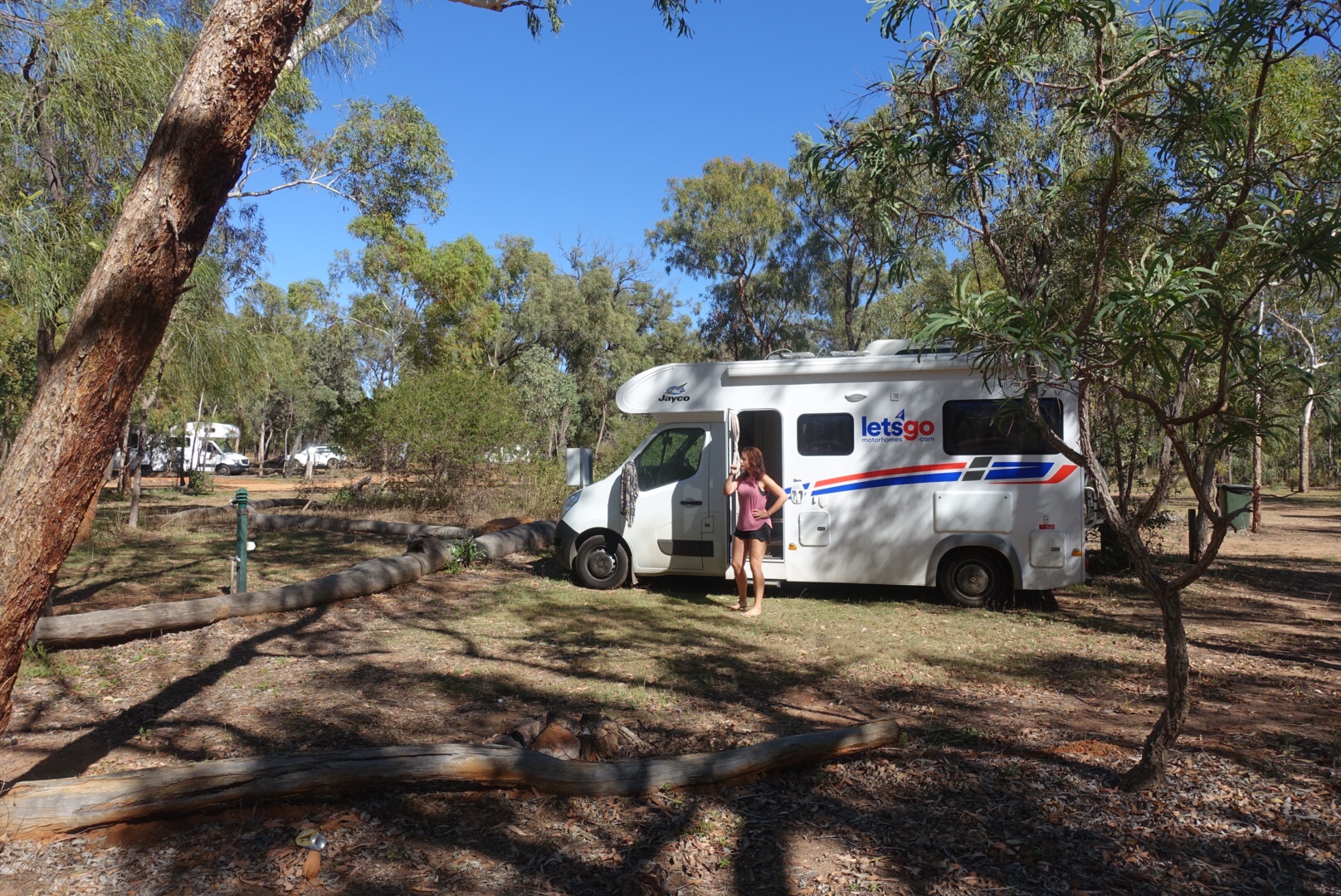
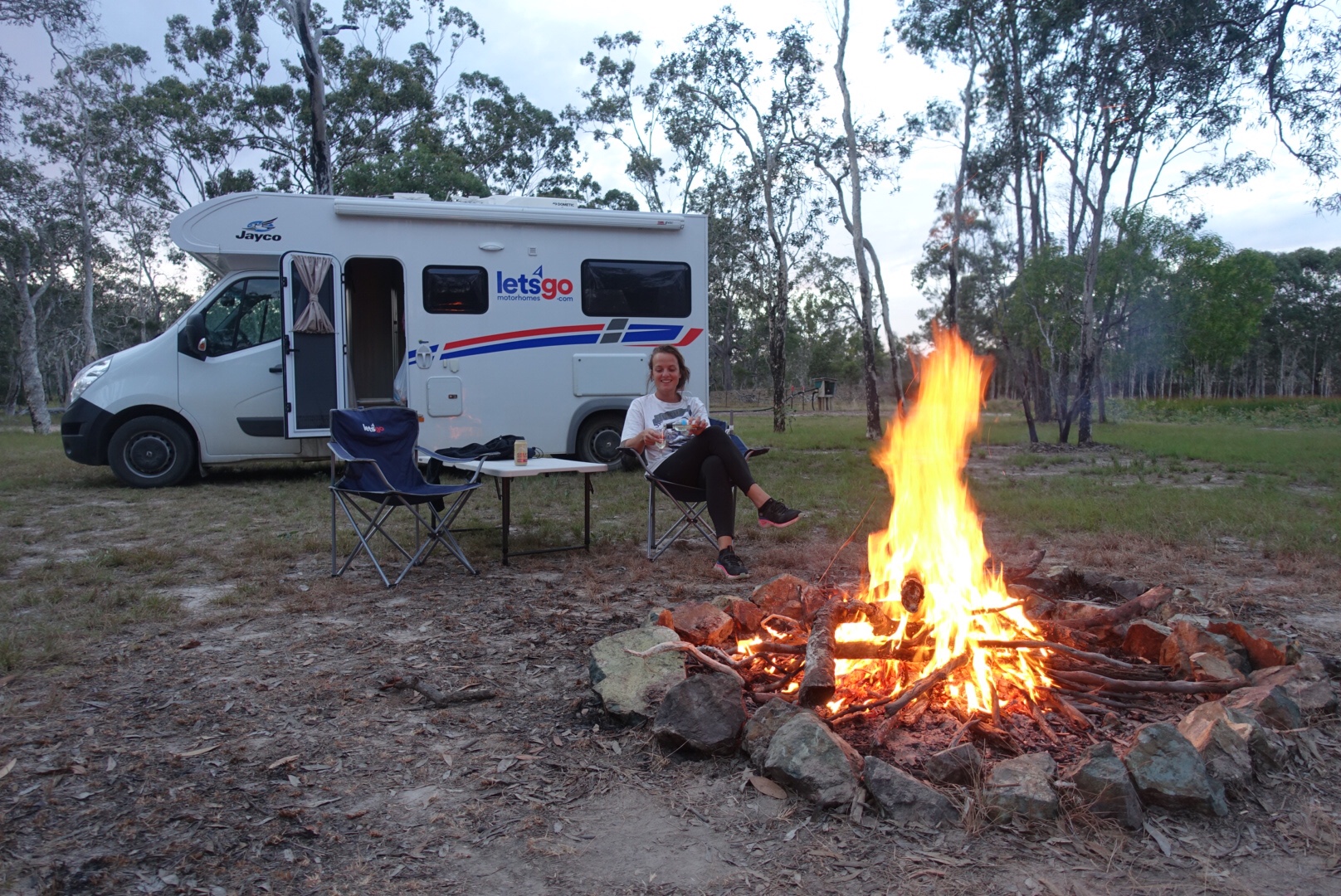
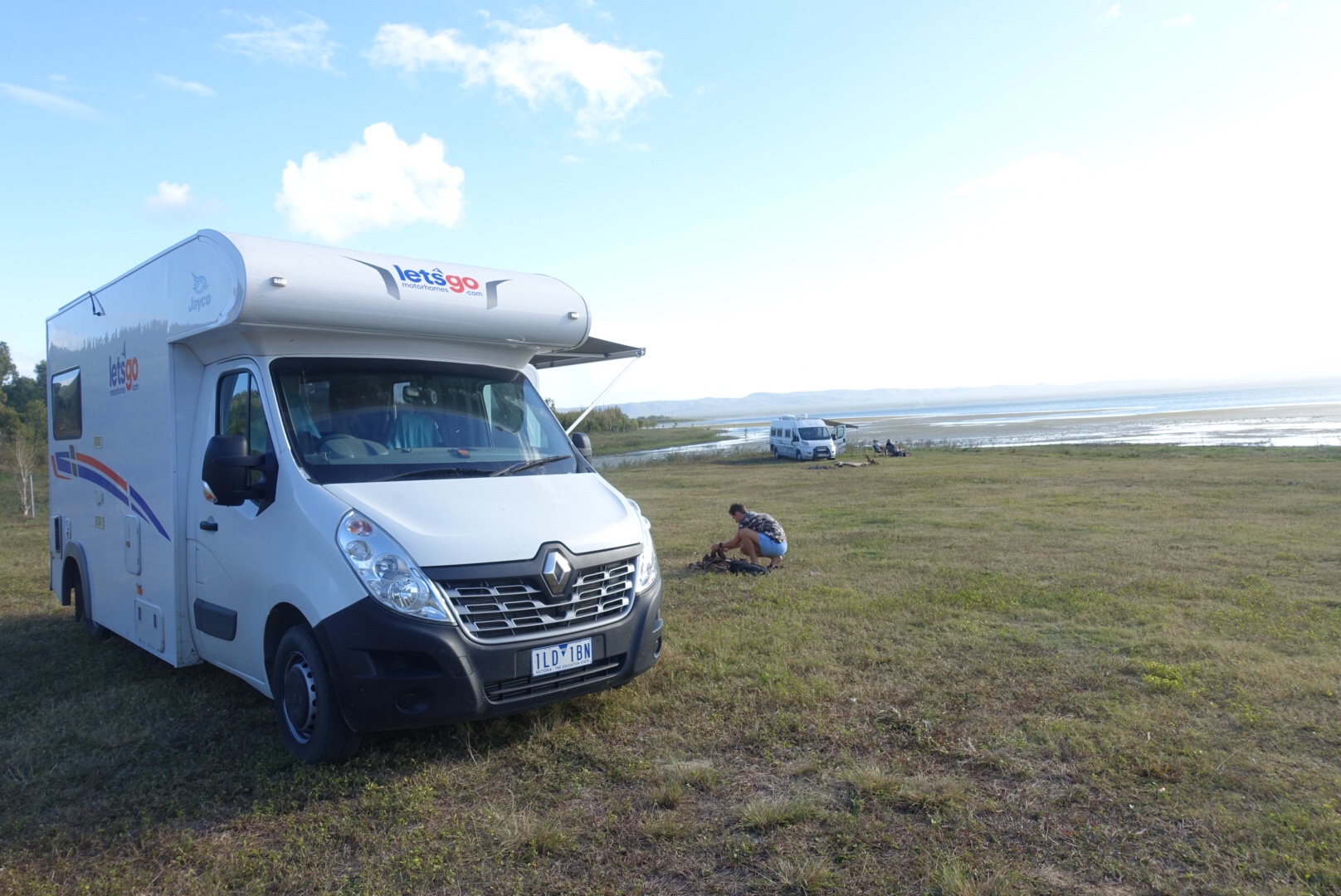
We negotiated a good price a day before we picked up our house-for-a-month in Cairns. We initially went in for a small van, but after some successful bargaining we ended up with a motorhome called ‘THE VOYAGER’ (from Let’s Go Motorhomes). The vehicle was very comfortable but two and a half sizes too large for us. It had a spacious design, a fridge, shower, toilet and sofa that could turn into a double bed. It also had a satellite TV, and unused microwave and air conditioning. We nicknamed it ‘The Monster’.
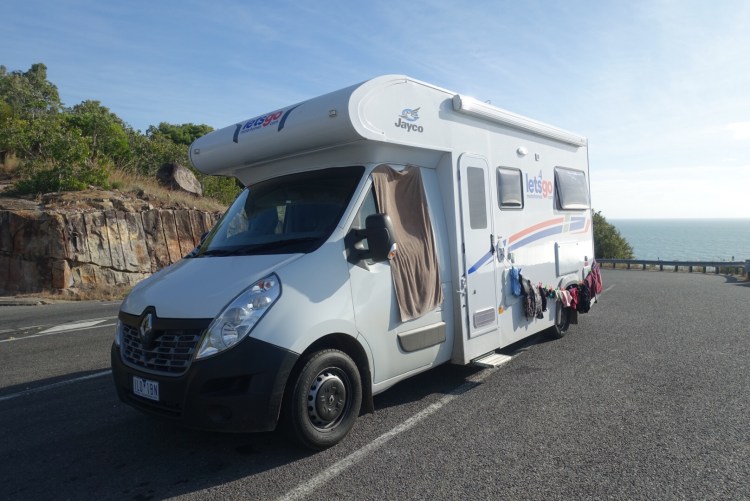
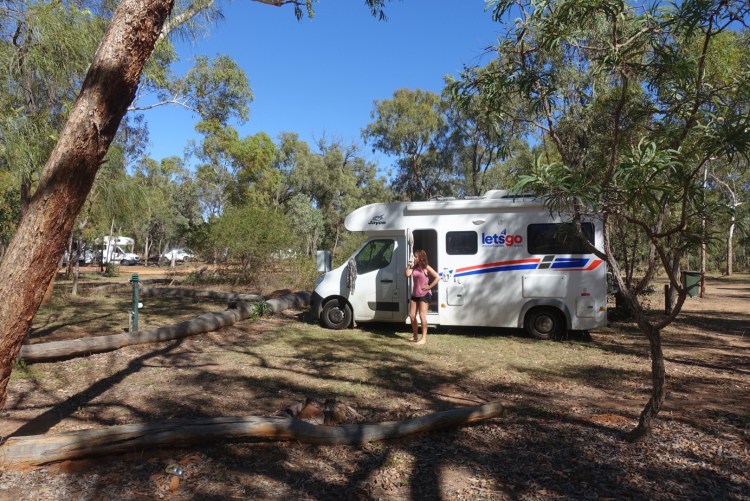
We enjoyed the perks of the vehicle, but we felt that it was limiting us at times (and the look of it was certainly not going to deliver us any Instagram stardom). The rental agreement restricted us to sealed roads. A shame, as the many bright red, dirt roads looked like a lot of fun. We ignored the rules a few times, which never worked out well.
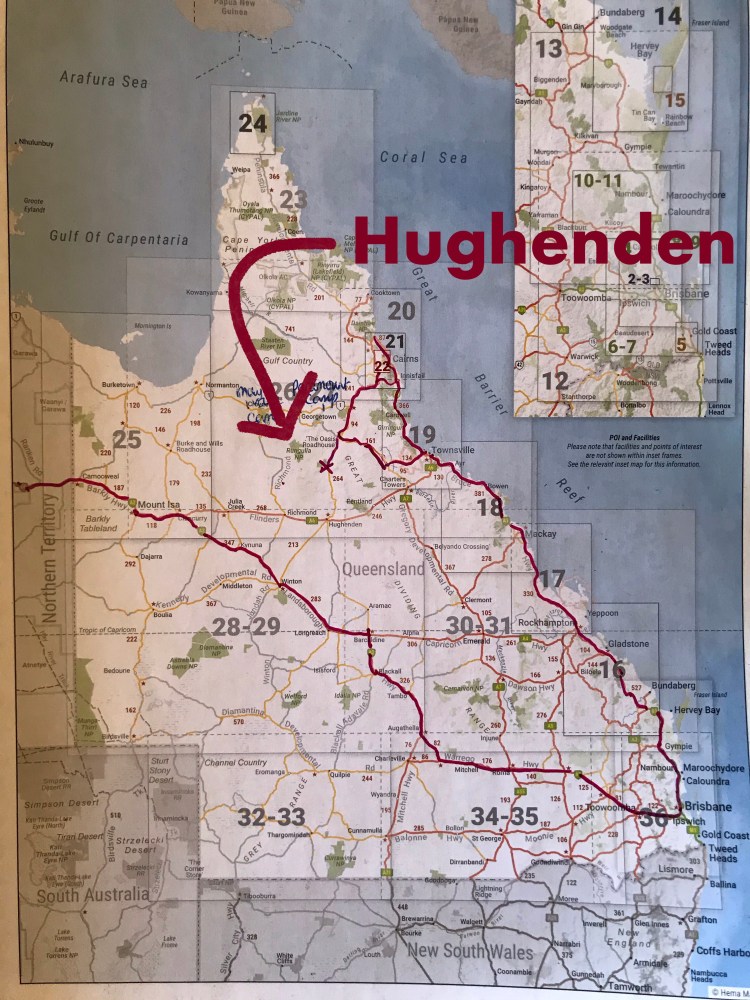
The road to Hughenden
One day, we drove several hundreds of kilometres on a quest to Hughenden, a place known for its dinosaur fossils. After hours of driving, the never-ending road turned into a dirt road. We didn’t want to turn back, so we decided to go for it. The corrugated road changed our house on wheels into some sort of pneumatic drill. It felt like we were inside a rattler, being thrown around by a restless toddler. After about 10 kilometres at 10 kilometres an hour, we decided to save Hughenden for another time and head to the beach instead.
Getting bogged…
Here we naively learned a lesson about driving a heavy, 2WD motorhome on beach sand: DO NOT ATTEMPT! Long story short: vehicles weighing 3.5 tonnes sink in soft sand. Fast, idiots!
It was a deserted beach at the end of the day, and couldn’t move the vehicle one inch. Miraculously, we suddenly saw two guys and a girl in a 4WD rescue vehicle – equipped with a winch, snatch straps, max tracks and a lot of experience in towing. A violent, hour-long rescue, but we got out! I still can’t believe we got away with it…
Hanging out with the grey nomads
Queensland in June was relatively quiet. Except for the occasional French backpacker, we mostly came across a lot of Australian “grey nomads” on the coastal roads. Retired, full-time travellers.
These travellers are often good fun and very helpful. Babyboomer after babyboomer would walk over to our motorhome, weaponed with a massive “tour Australia” book, ready to give us all of their best tips and tricks. Some tips better than others…
“Fairdinkem mate, ya’s gaaats to get to Edith Falls, it’s fackin’ awesome. Tell Lisa from the Kiosk that Murray sent ya’s and you’s be allright”
Murray (helpful)
“Faaaackin’ stay away from Darwin mate, the blacks will fackin’ rob and kill ya’s”
Summer (unhelpful)
Most of them remarried, travelling from “one kid to another”, as they have big, extended families that live scattered over Australia. This new generation of grandparents cashed in their pensions to buy a van or a state- of-the-art luxury motorhome, and started travelling while living off the rental income of their old family homes.
After 50 years of hard work, they traded their careers for a life of caravan parks, boxed wine and inspirational bumper stickers about freedom. My favourite sticker was slapped on the back of a super-de-luxe Winnebago, saying: “If you’re not living on the edge, you’re taking up too much space”. (I think the walruses of David Attenborough’s – Our Planet would argue that.)
Ah, the grey nomads. How I love them. Apart from the ones who don’t say a word and simply run their generators all day and night, drowning out the beautiful birdsong of a serene campsite in order to fuel their TV addiction from their air-conditioned bunkers.
(The Queenslanders call this special breed “a Victorian”, named after the state they often come from)
Looking for idyllic campsites…
The breathtaking coastline in the far north offers long beaches, dramatically accentuated by cliffs and rocks. Unfortunately, you can’t camp for free on most places (except for the beach where we got stuck).
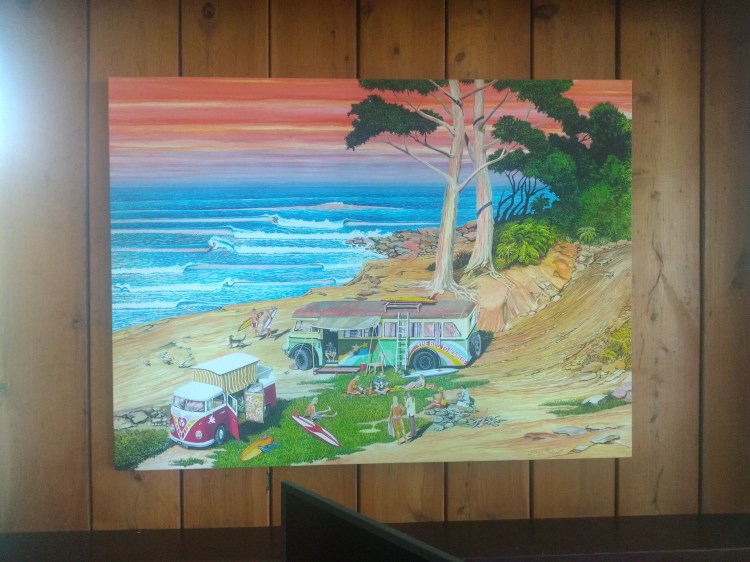
Sadly, the overpriced campsites on the beaches just don’t offer the same idyllic environment as the one on the painting we were forced to look at daily in while we were locked inside of our quarantine-plaza.
But we found them in the Outback Queensland!
Well, the campsites in Queensland were idyllic to us. But you have to work hard to find them…
The inland roads are long and much of the same. They stretch as far as the eye can see, surrounded with a landscape that changes slightly every 300 km or so. Most often it was red gravel, yellow grass and green spots of low vegetation. In inland Queensland, the small, western-style villages are linked to one another by large areas of sugar cane agriculture or a wild, bushy landscape.
The gravel pits down the ‘beef road’.
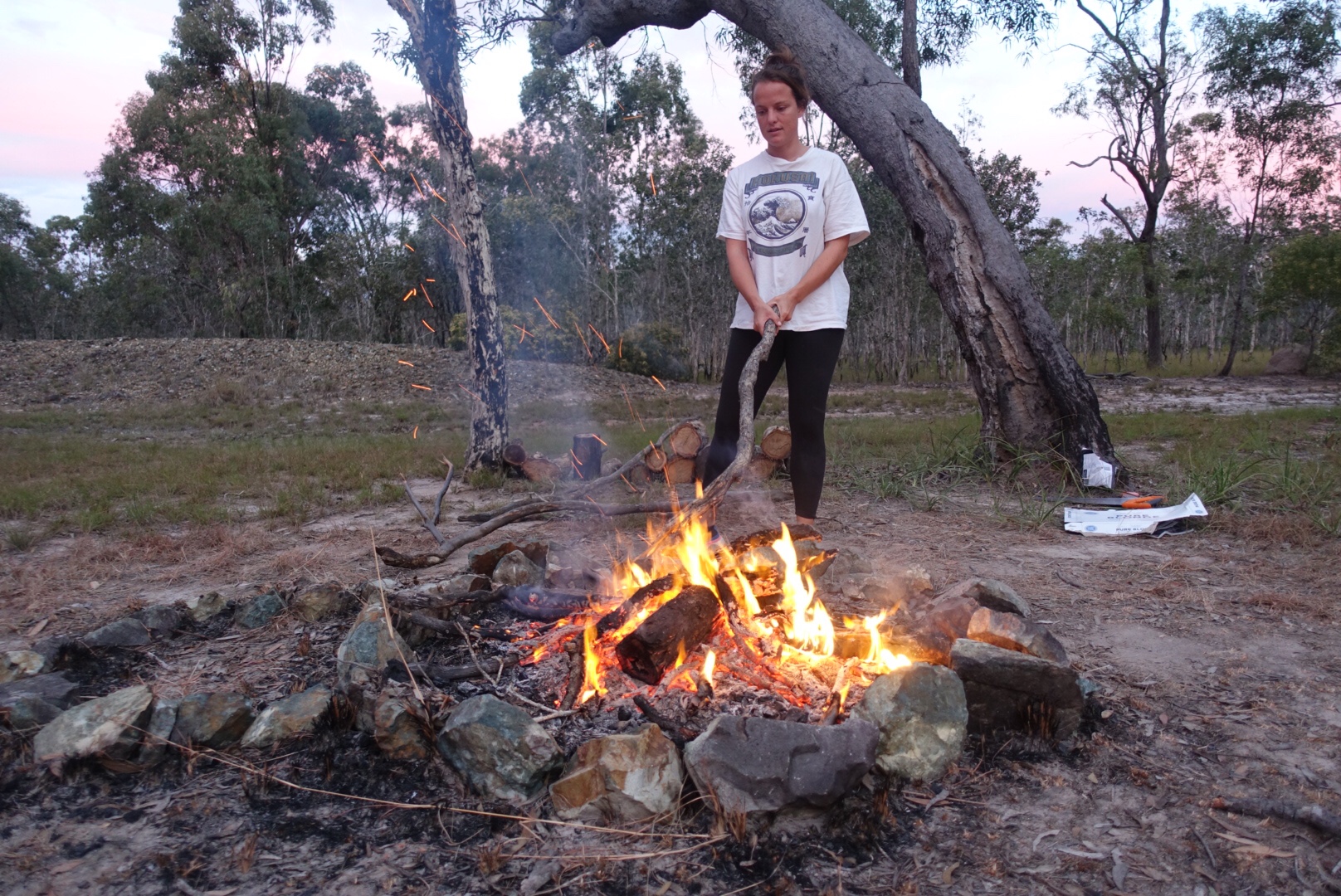
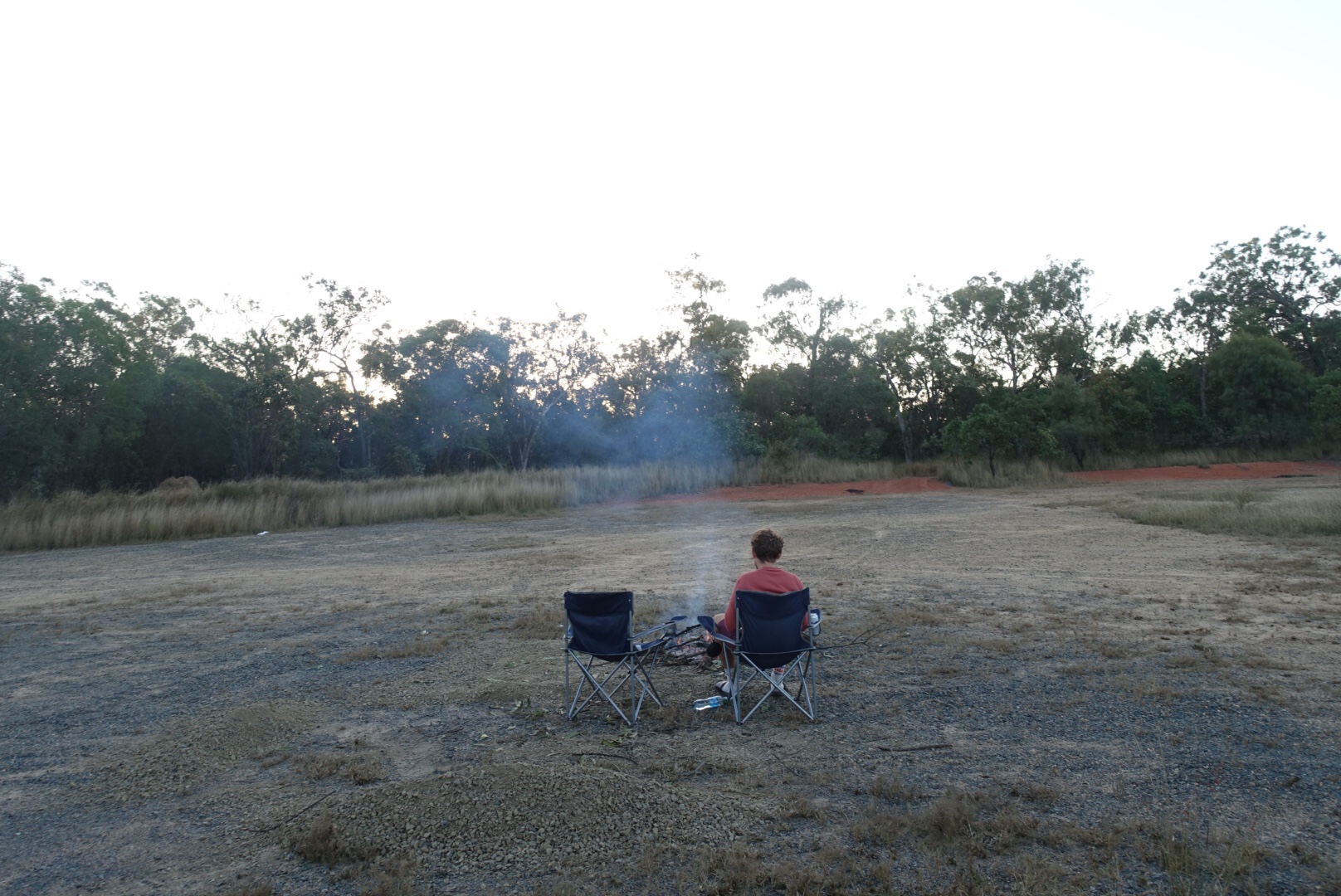
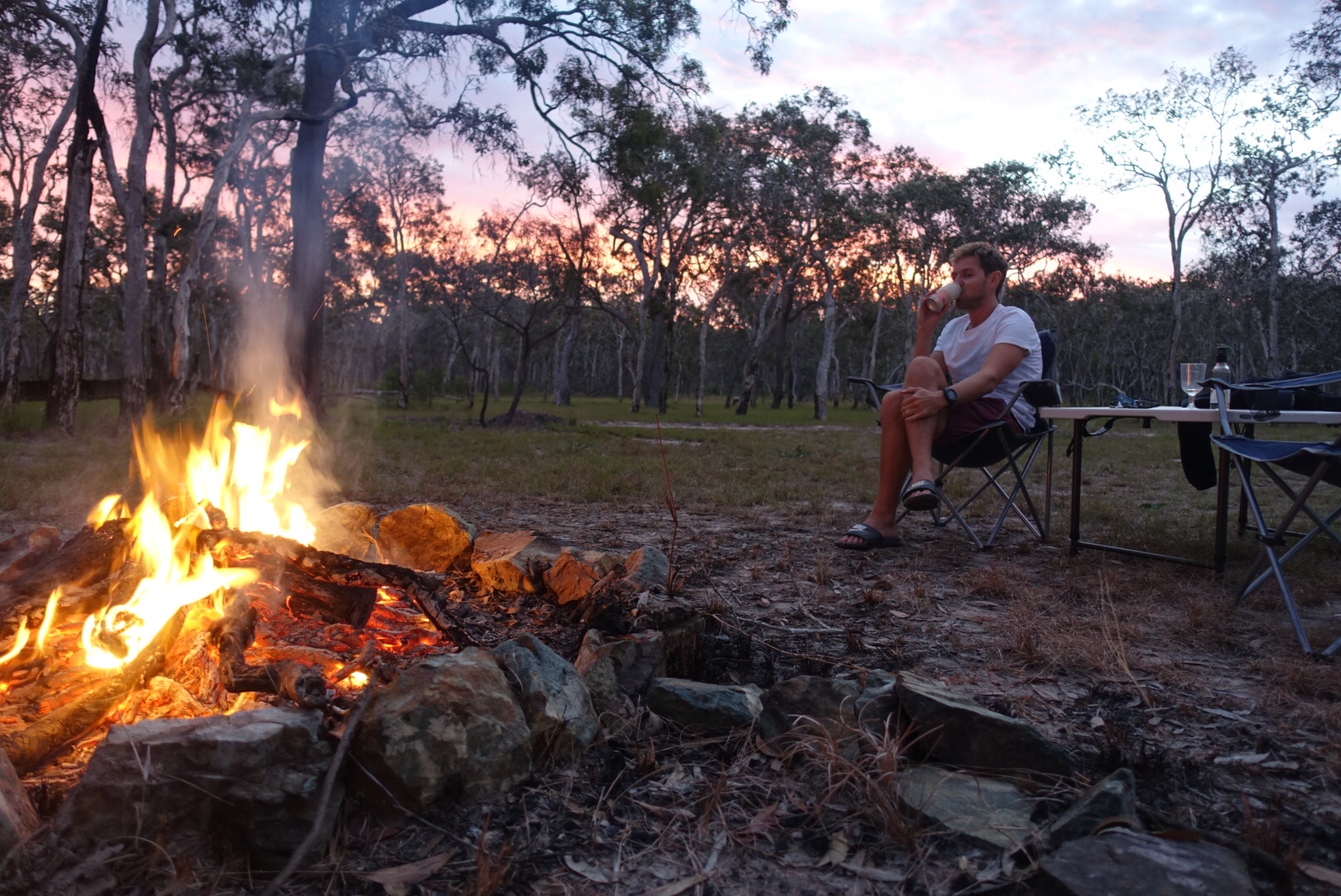
We drove along the “beef road” and every 100 km or so, we would find desolated bays on the side of the road called “gravel pits”. An area marked by a big pile of gravel in the middle. We would park behind it and make a fire. We would listen to music out loud (especially Wu Tang Clan – Gravel Pit) and get lost in some drunken stargazing. Every now and then we would wake up to the thundering sound of a fast moving convoy of road trains (53 metre long trucks) transporting distressed cows to their inevitable fate. We loved parking at these locations because we were mostly alone, except for a few lucky runaway cows and some weird looking birds.
Paradise for free
Not everyone likes to park on a desolated gravel pit by the side of the road, under the deafening sound of the road trains. But thats OK, as there are amazing free camps to be found in the Queensland Outback.
Amongst all the desert land, lie hidden spots of paradise. Where amazing birdlife congregates around creeks of fresh water and lush tropical forest.
If that’s your thing, simply let your hair and tyres down and drive to Gregory Downs and Clem Walton (Corella Dam). Absolute paradise…
Use Wikicamps and talk to locals
We often use Wikicamps for this. An app that allows nomads to enter campsites and review these on a map, allowing others to find the perfect campsite. We did notice some good campsites weren’t posted on this app, so you have to keep your eyes open or ask the locals.
Our favourite destinations in June
Here’s a few in order of appearance (this was in June, we visited some awesome places since).
1. PORT DOUGLAS
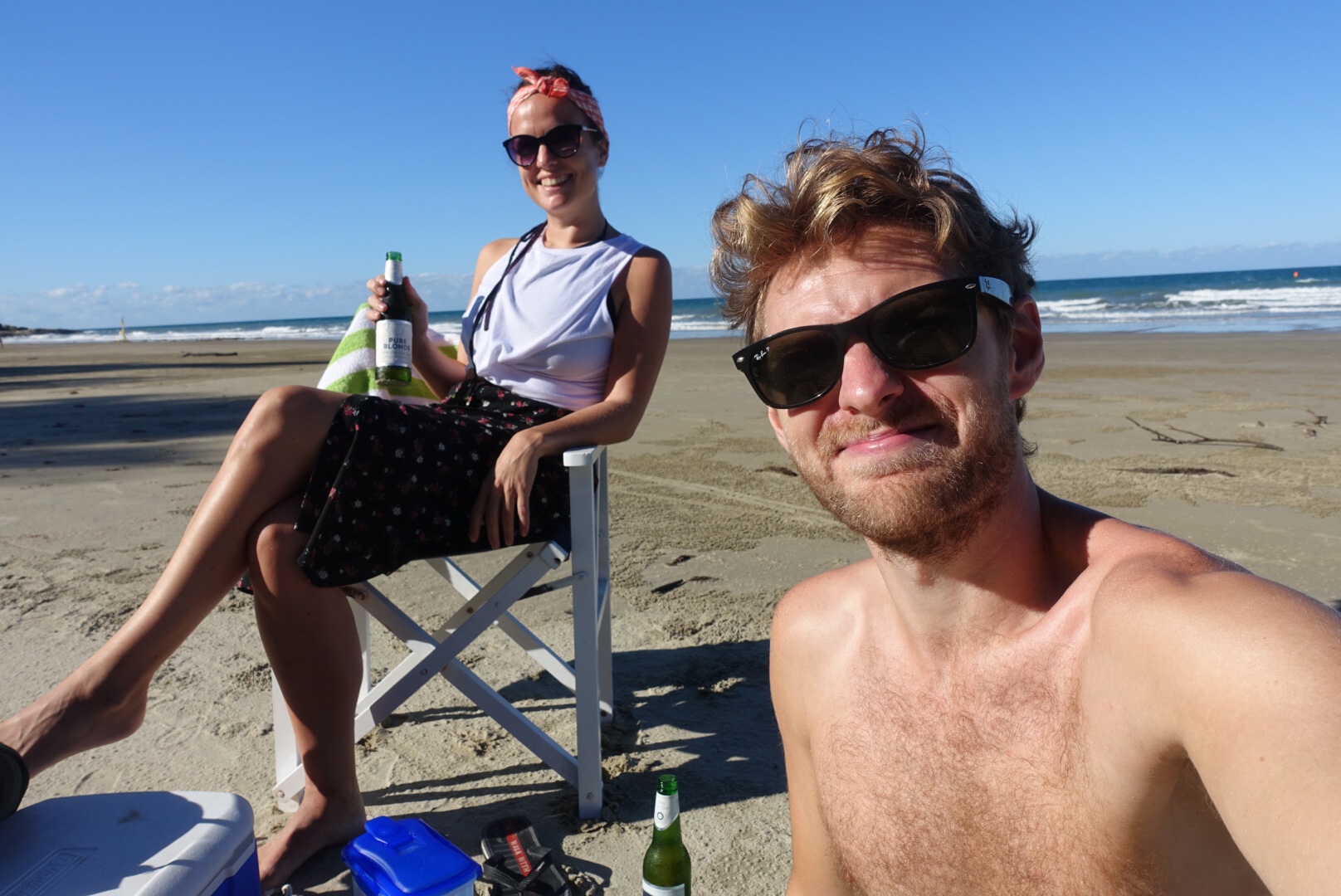
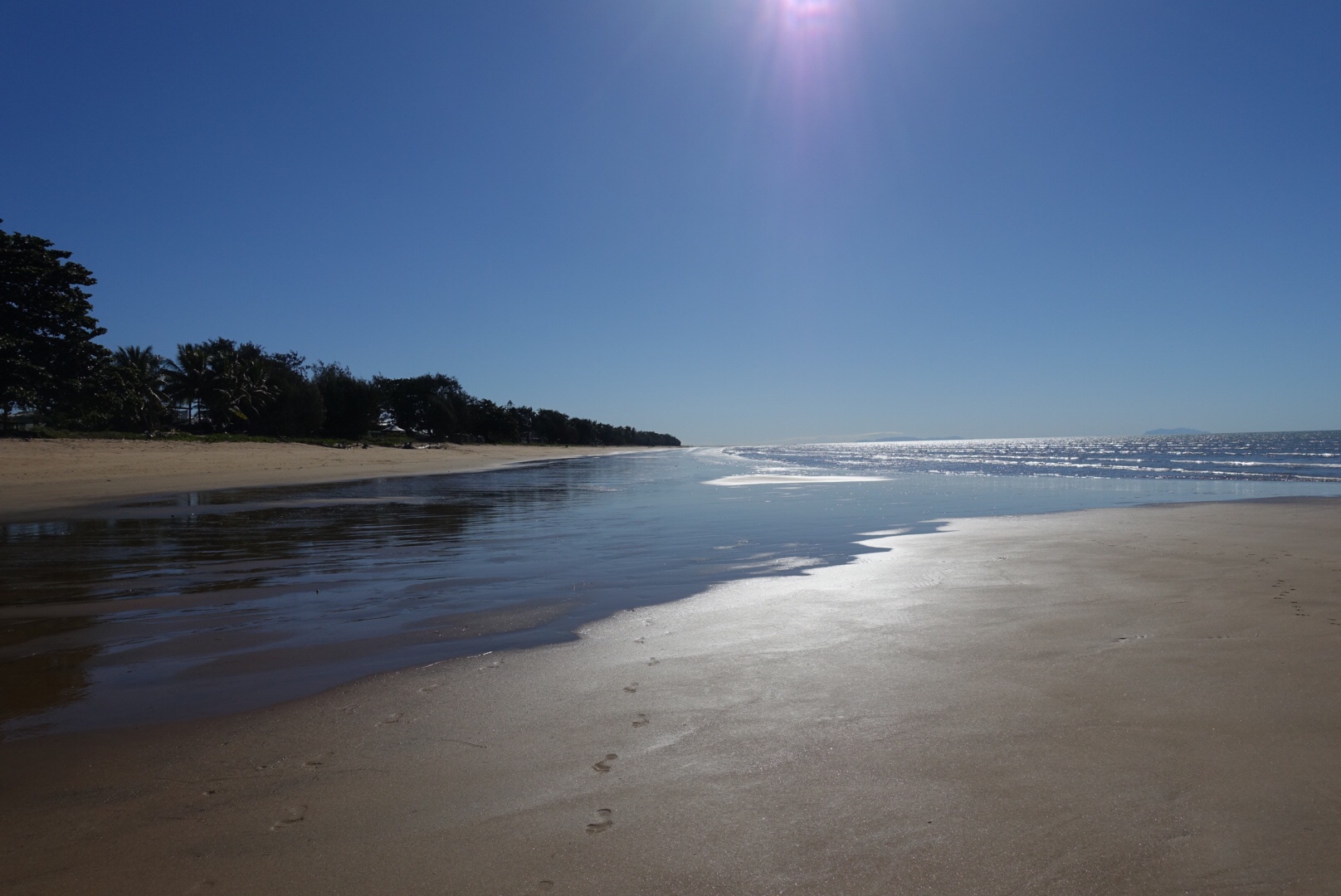
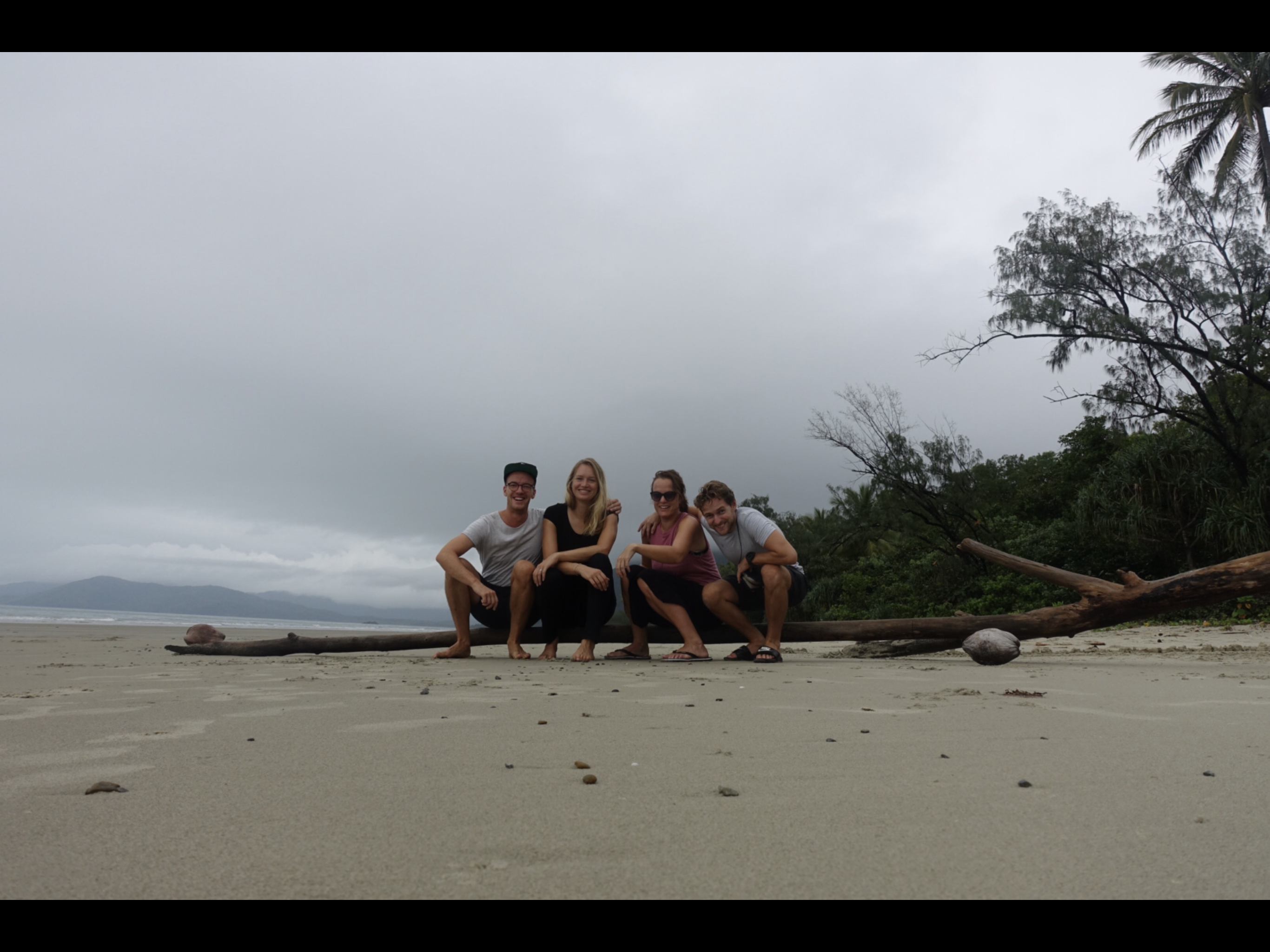
We stayed in P.D. before we picked up our motorhome. It’s a stunning place with a 4 mile long beach, with lots of tropical fauna, a brewery, marina and a croc or two.
It went from being a lively touristic hotspot, to a ghost town in 2020. When we were there, the hospitality was slowly opening up for small groups of customers. Good timing, as we were craving to be part of a crowd again after several months of isolation. (Although admittedly it was pretty nice to have the beach to ourselves). Port Douglas is not very camper-friendly. Our caravan park was more like an overpriced car park, run by an hysterical couple. Not haha-hysterical, like Laurel and Hardy, but more like Jekyll and Hyde. We would recommend people going there to splash out a bit of cash and stay at a resort called By The Sea instead. This is the place where we stayed the month before we picked up our motorhome. The management helped out massively by offering reduced rates to people who were stranded and in trouble. I look back fondly on the well equipped apartment we had, 1 minute from the beach.
2. THE DAINTREE RAINFOREST
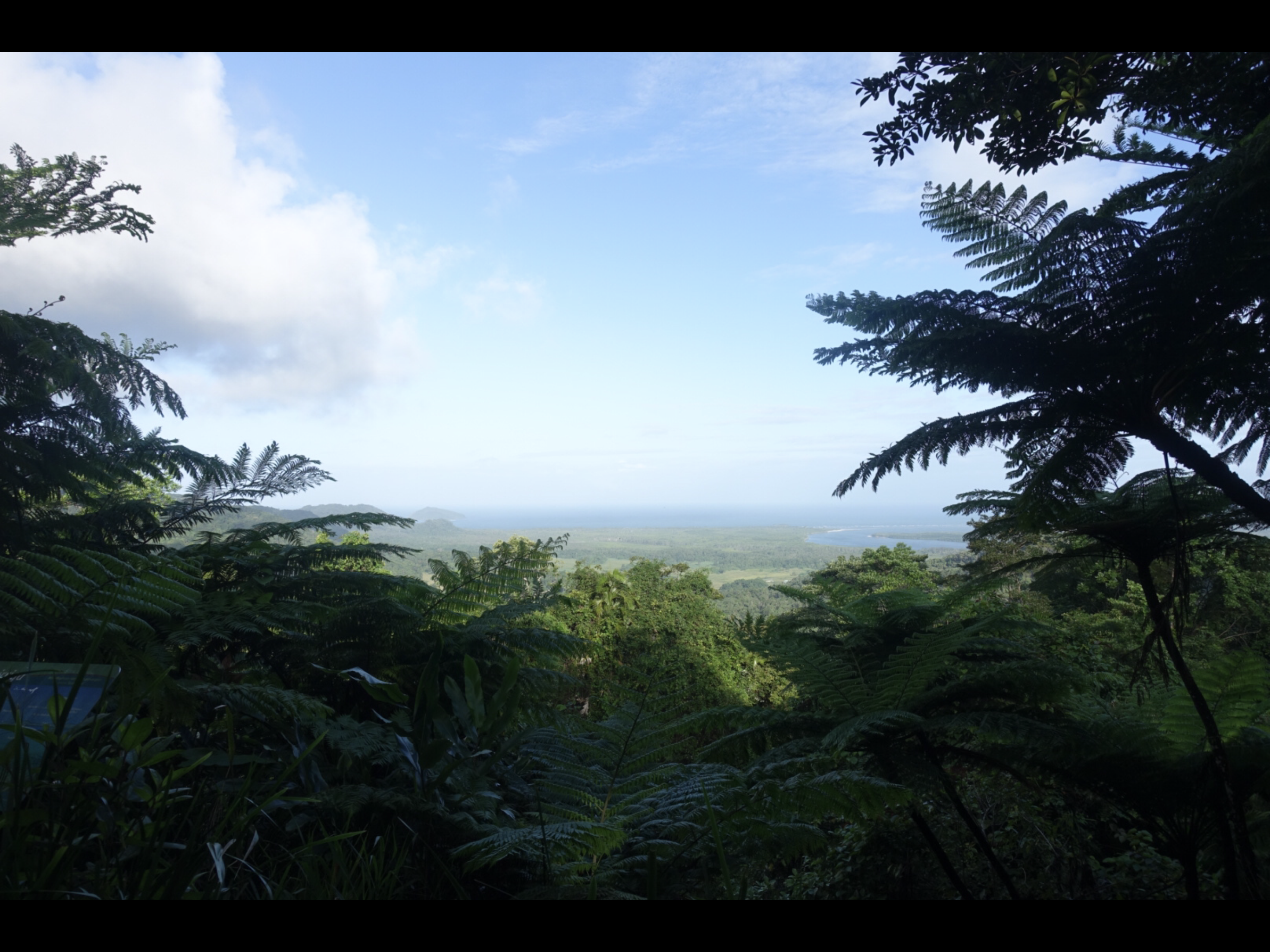
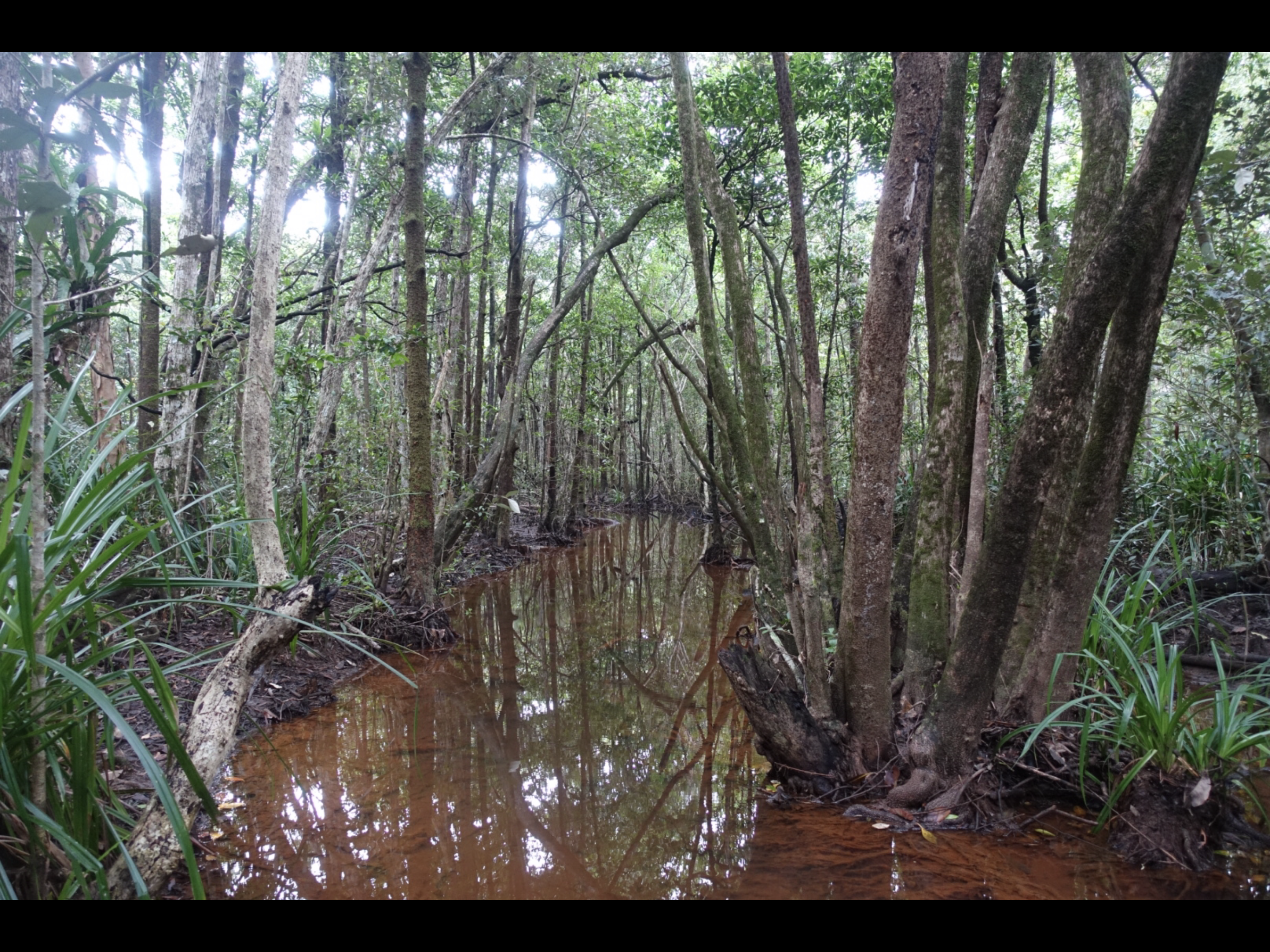
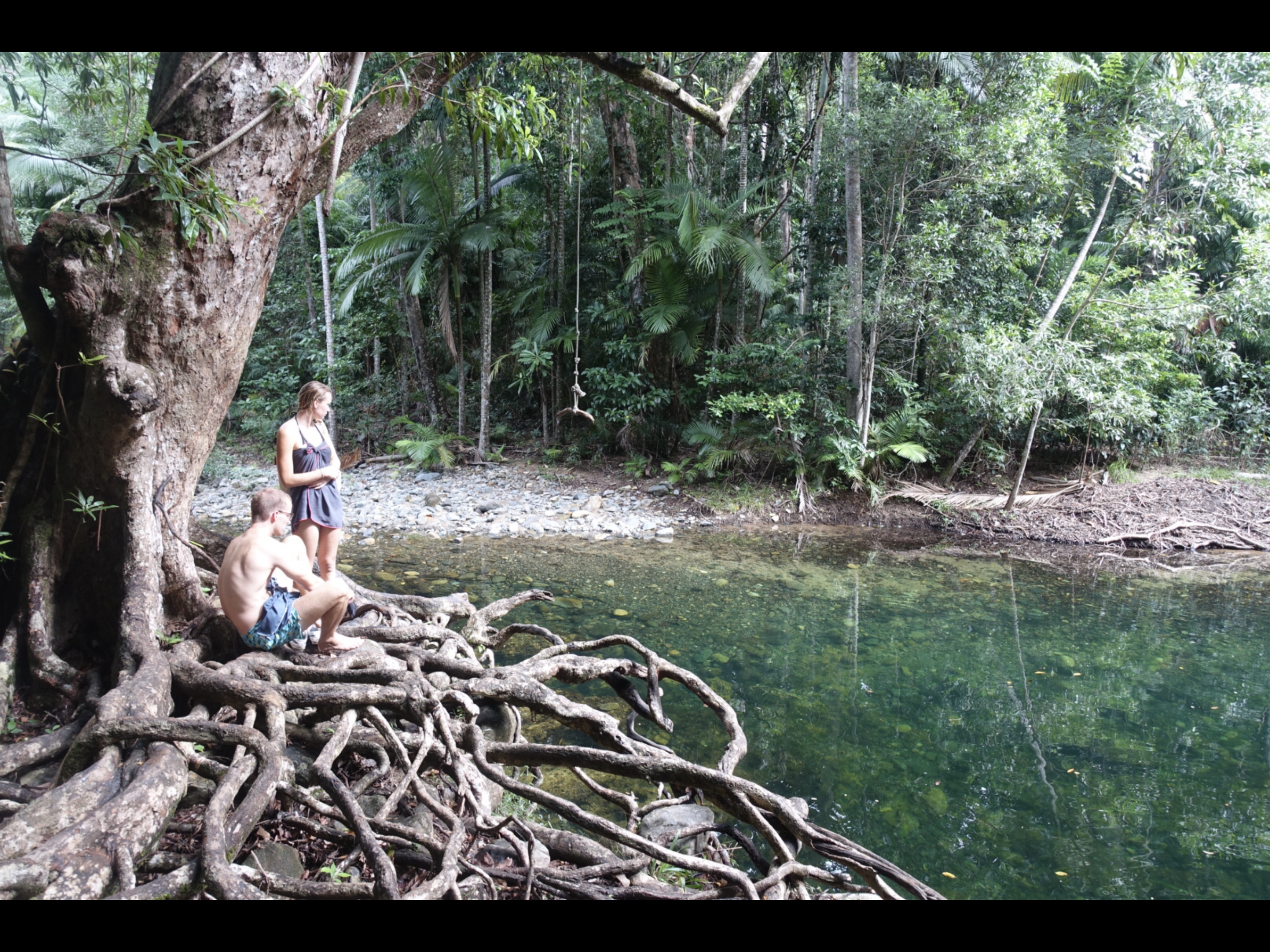
We initially wanted to buy a camper van, but after our first and only viewing, we decided to get a rental and went on a weekend trip with the sellers of the van instead. Destination: Daintree Rainforest. It was here we realised what a monstrosity our rental actually was. We had to tunnel our vehicle through the narrow dirt roads, carefully dodging the overhanging branches of ancient trees. Trying to park the motorhome without scratching was like practicing neurosurgery. If it was up to me, the vehicle would probably never walk again, but Pete completed the operation with precision.
Daintree has 180 million years on the clock, and is the oldest rainforest in the world. It’s a pretty powerful place, but the high humidity comes with challenges for arachnophobes. We followed our travel companions up to the summit of Mount Sorrow, which lived up to its name. Not only did I have to overcome my irrational fear of spiders during this strenuous climb; I had to stop every 5 minutes to flick and pull the leeches from my legs. I learned a few new swearwords that day.
3. CAPE TRIBULATION
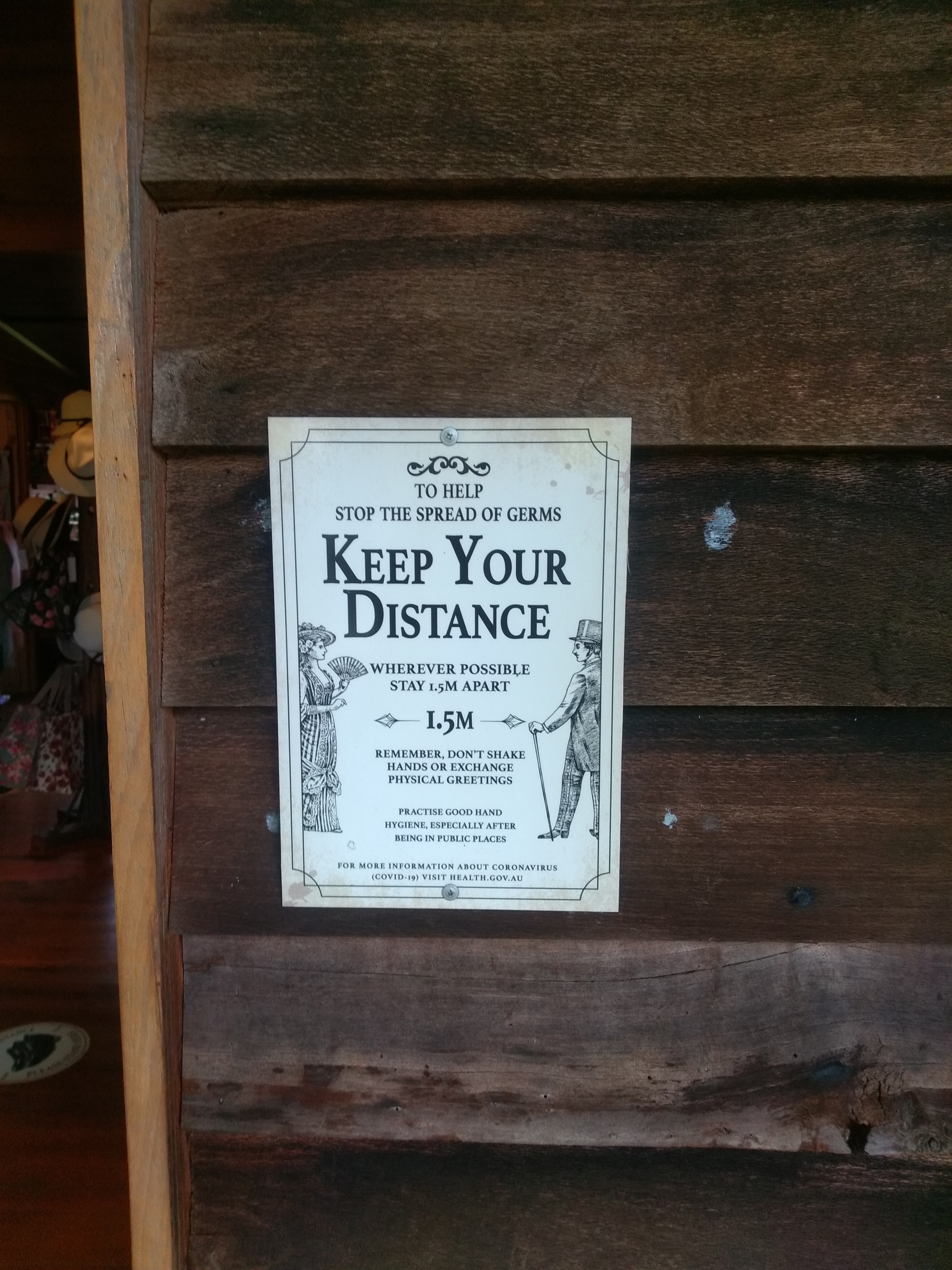
On the doorstep of the Daintree Rainforest lies Cape Tribulation – home to the Great Barrier Reef. We were the first customers on a snorkelling trip after lockdown. It was noticeable. After we signed several COVID-disclaimers, wriggled ourselves into wetsuits (which I wore the wrong way around) and bathed ourselves in hand sanitiser, we attended a 20-minute safety briefing. We learned all about the importance of “observing, practising, and respecting” social distancing measures and how to sneeze in your elbow, before we headed off on a fully packed boat without life-vests, on the fastest and bumpiest ride I’ve ever been on.
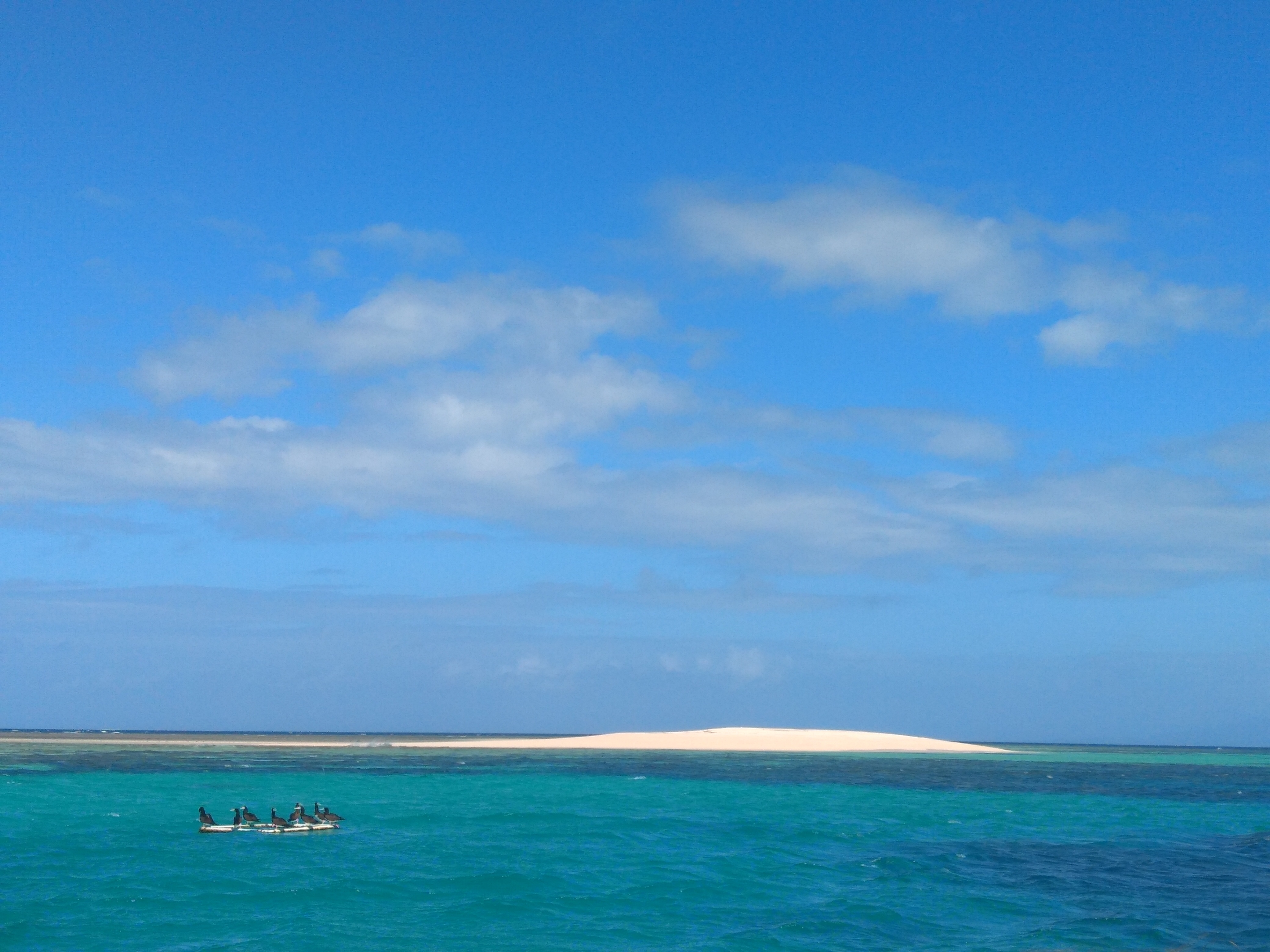
On a less cynical note – we loved being out and about for the first time since our three month-standstill. The snorkel-site (Mackay Reef) was beautiful. Around a pristine little island and full of colourful coral, clams and fishes.
4. THE TABLELANDS
We drove through the Queensland Tablelands, resembling the landscape of Wales, UK. Beautiful green hills everywhere, and, as in Wales, a lot of rain.
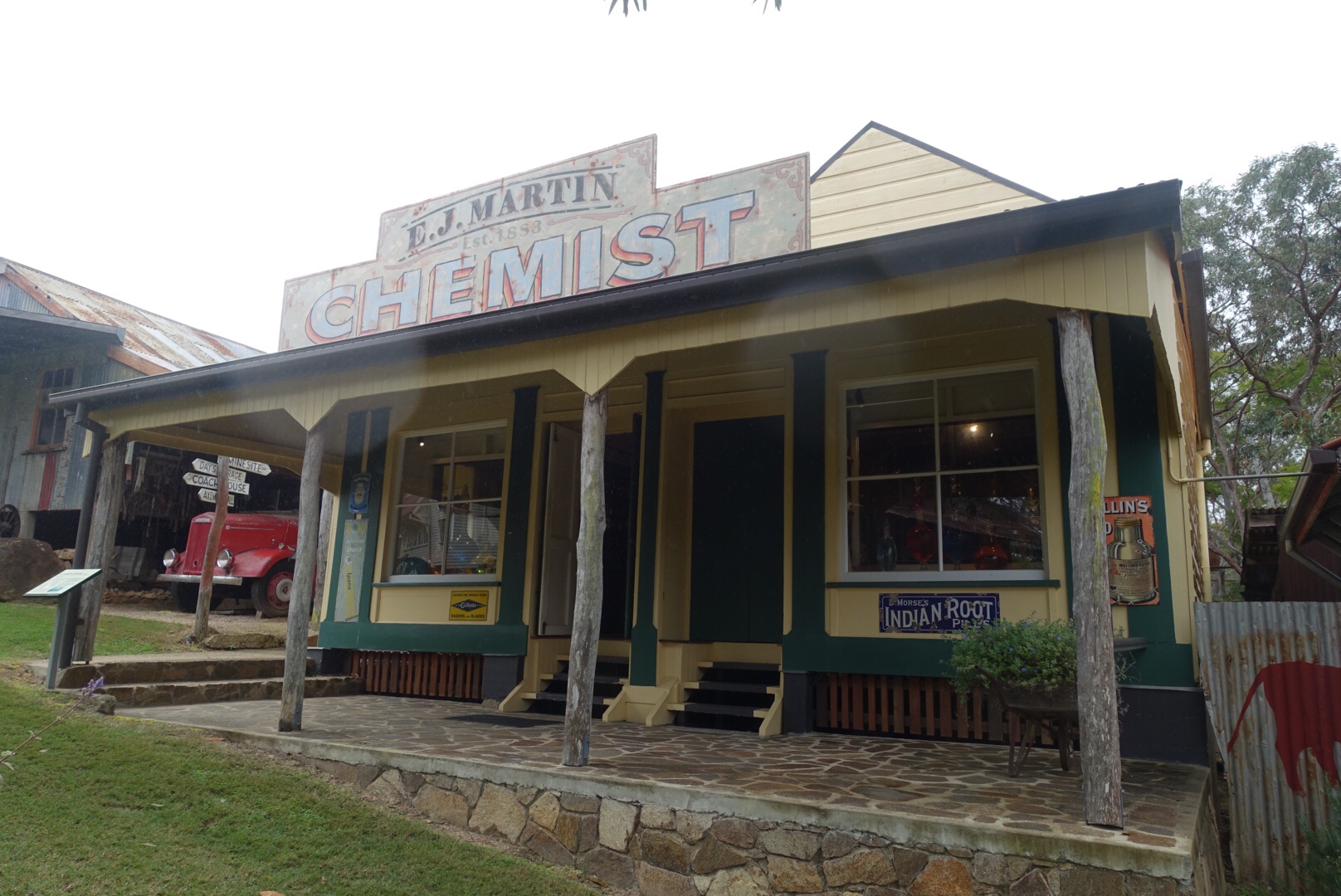
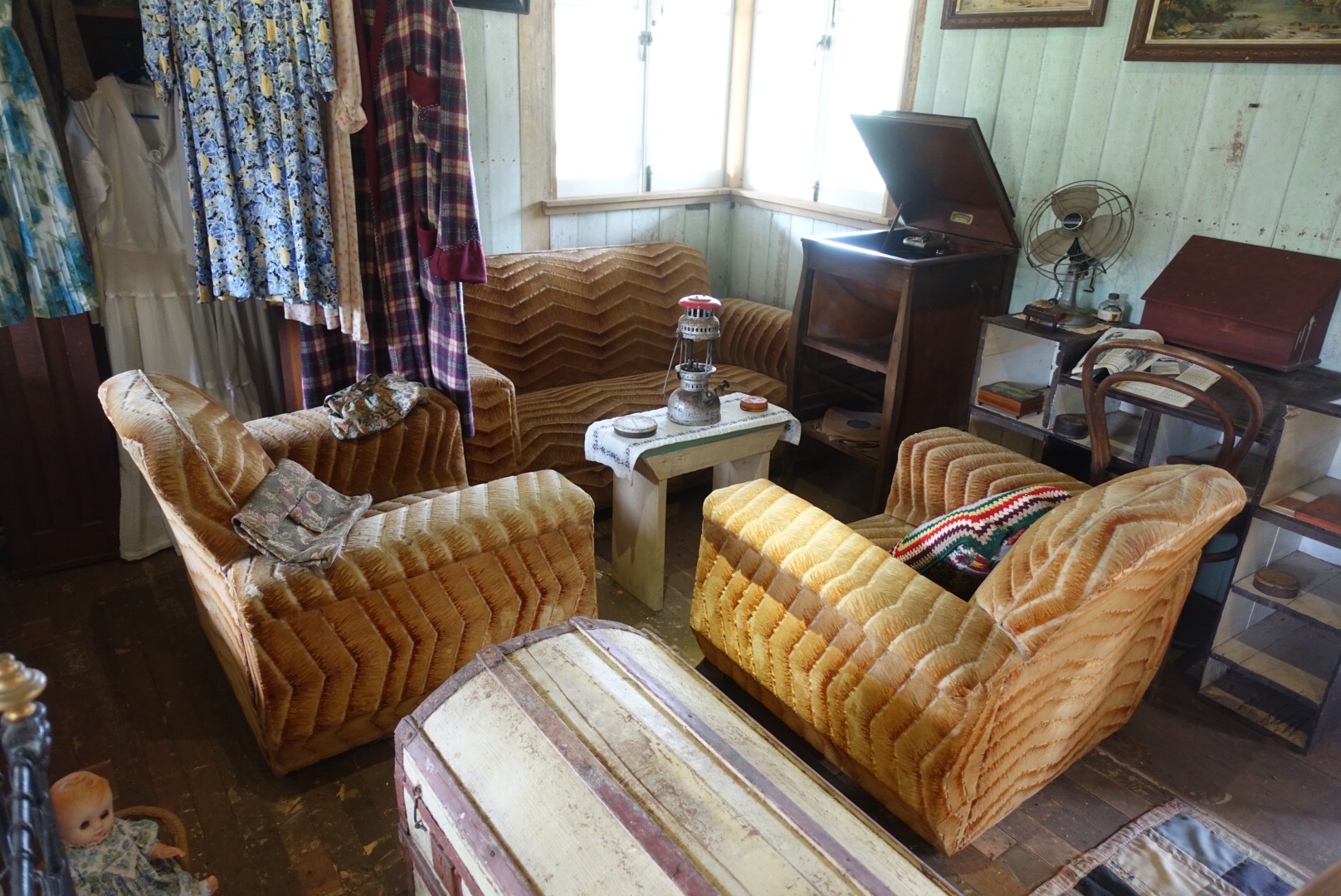
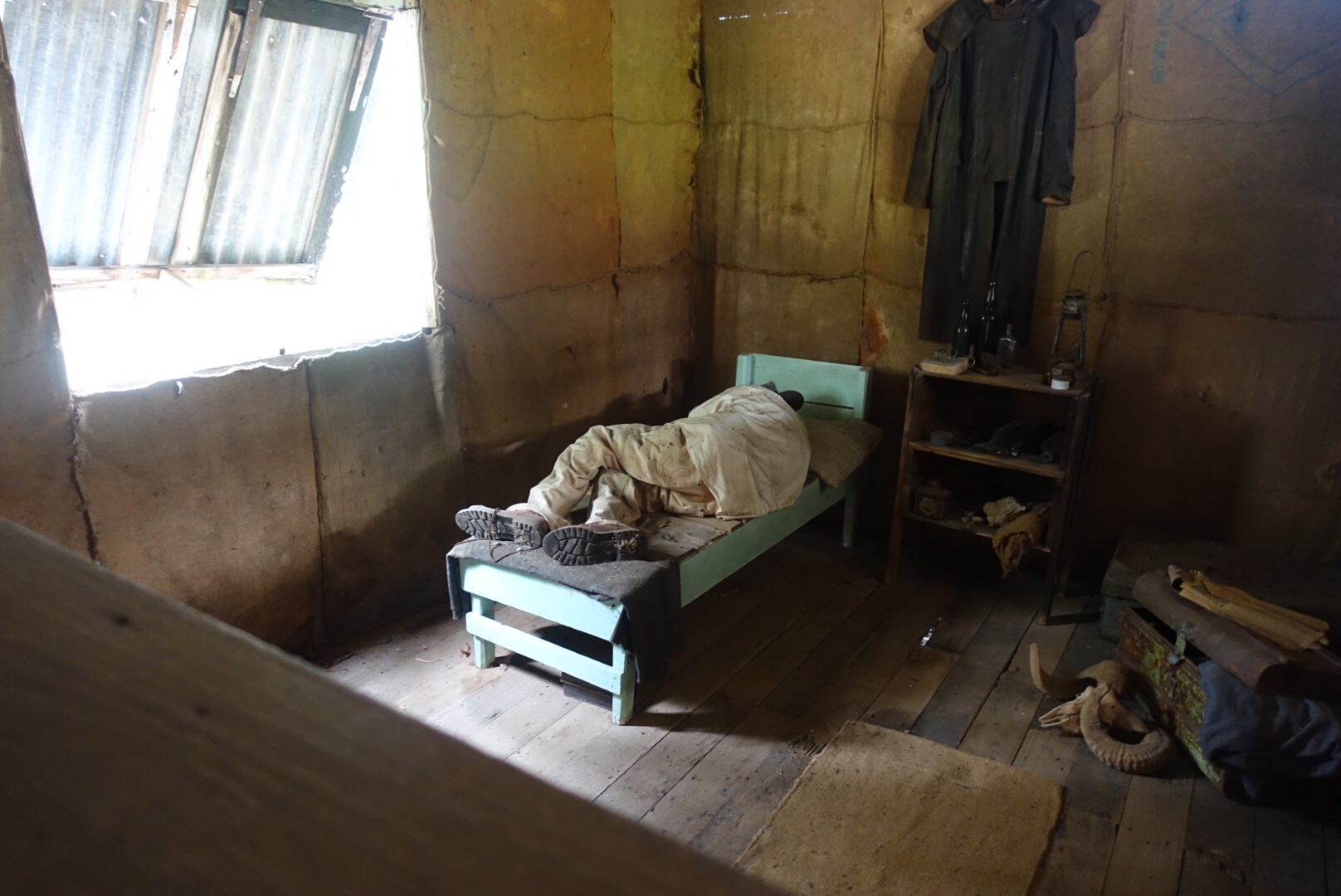
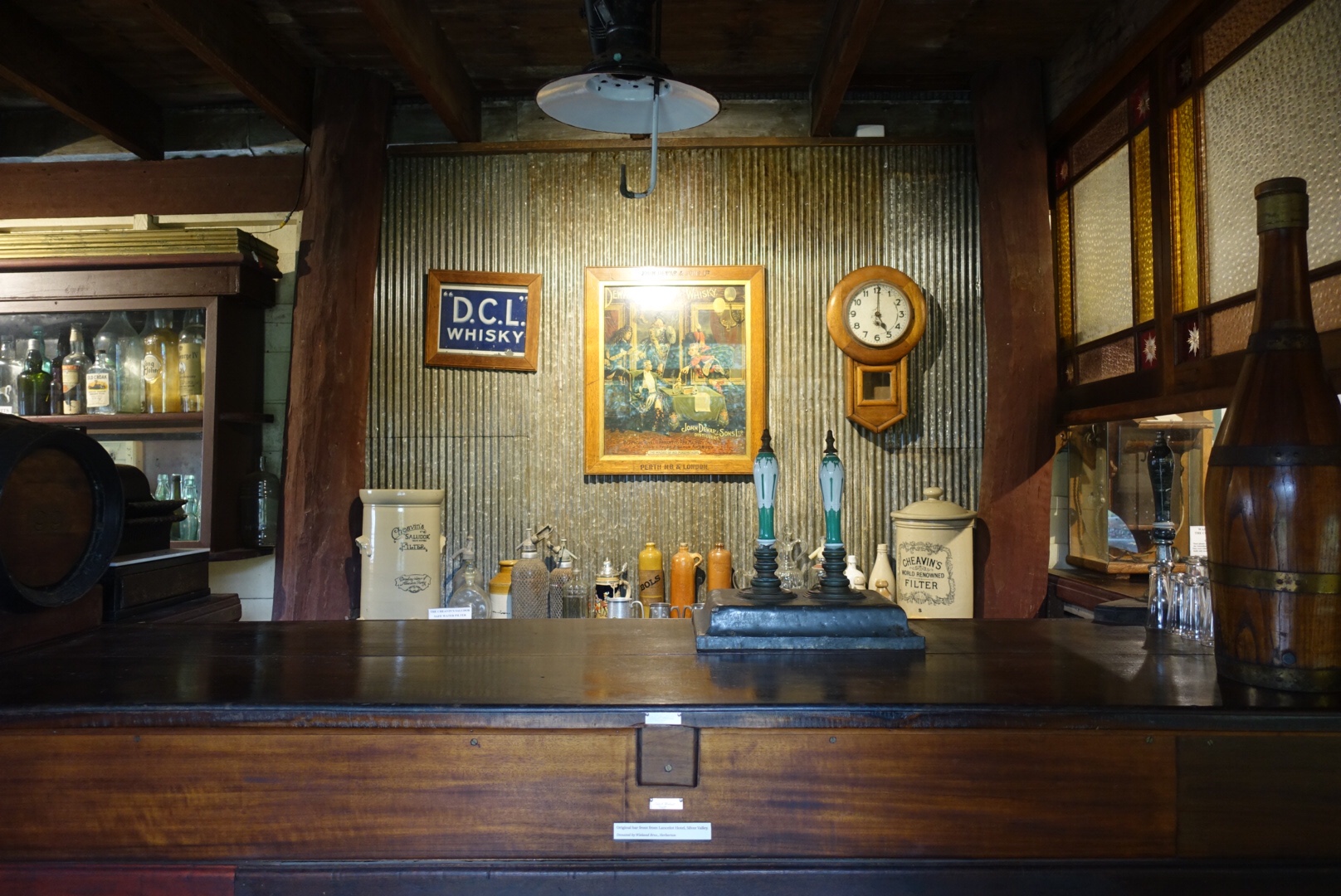
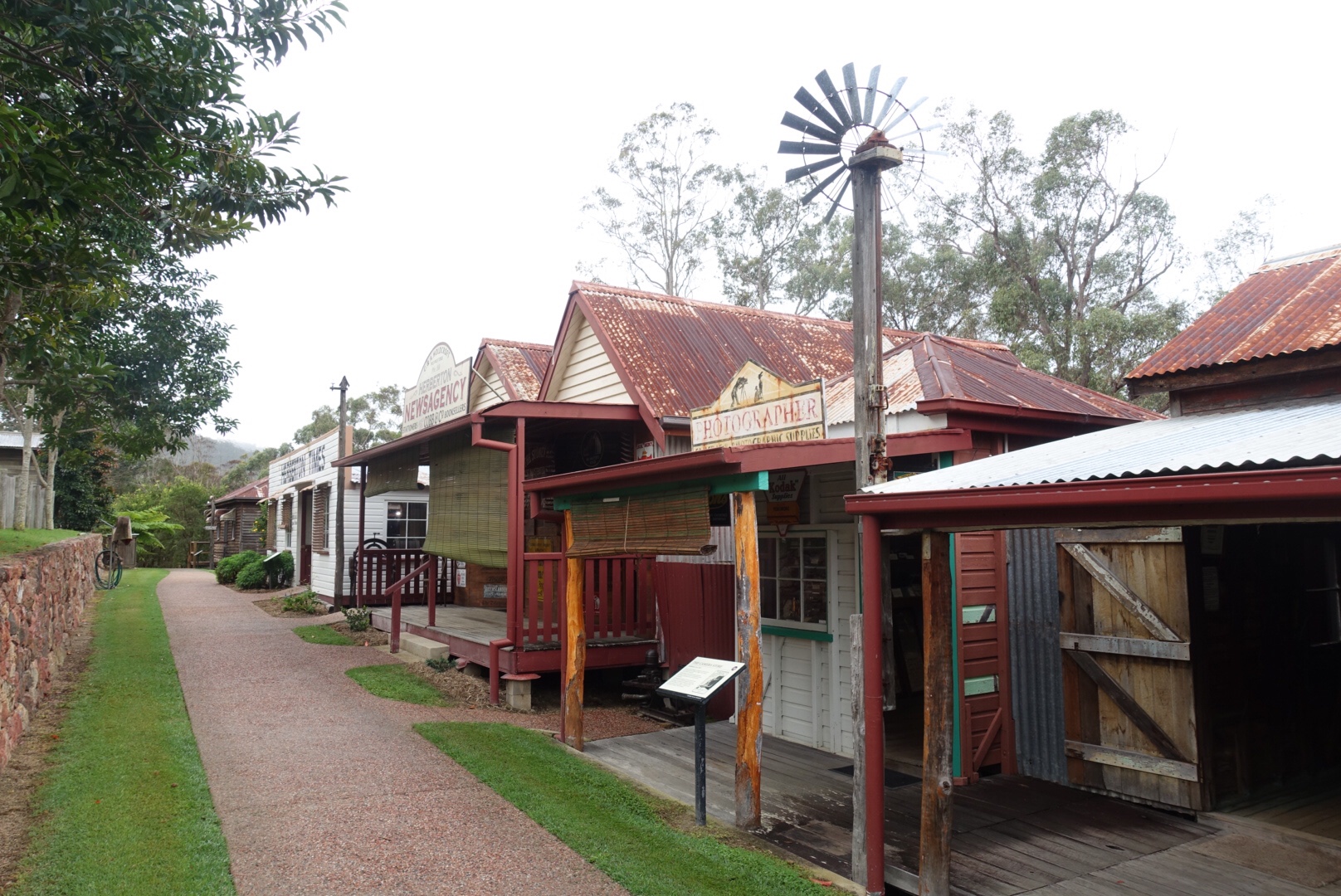
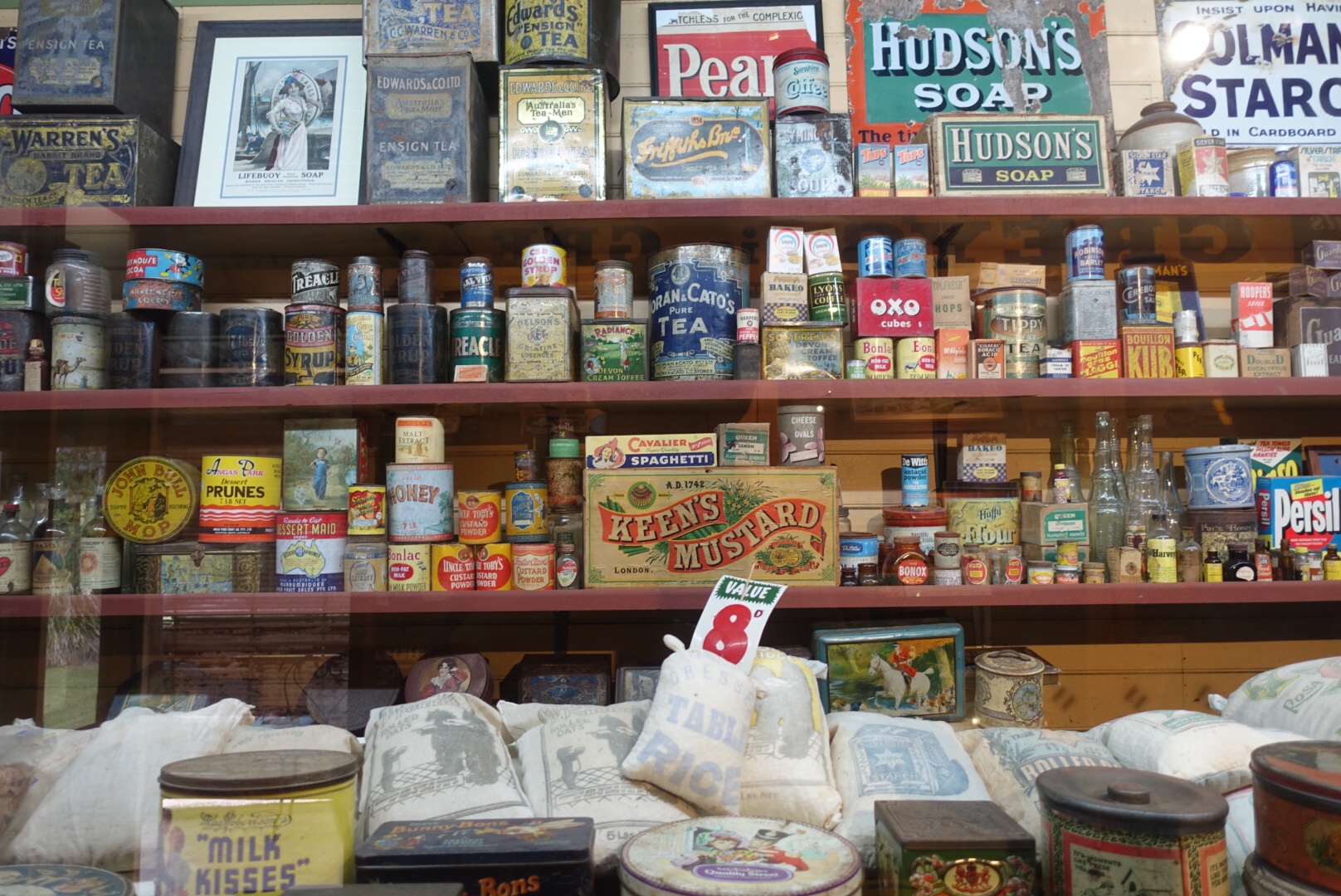
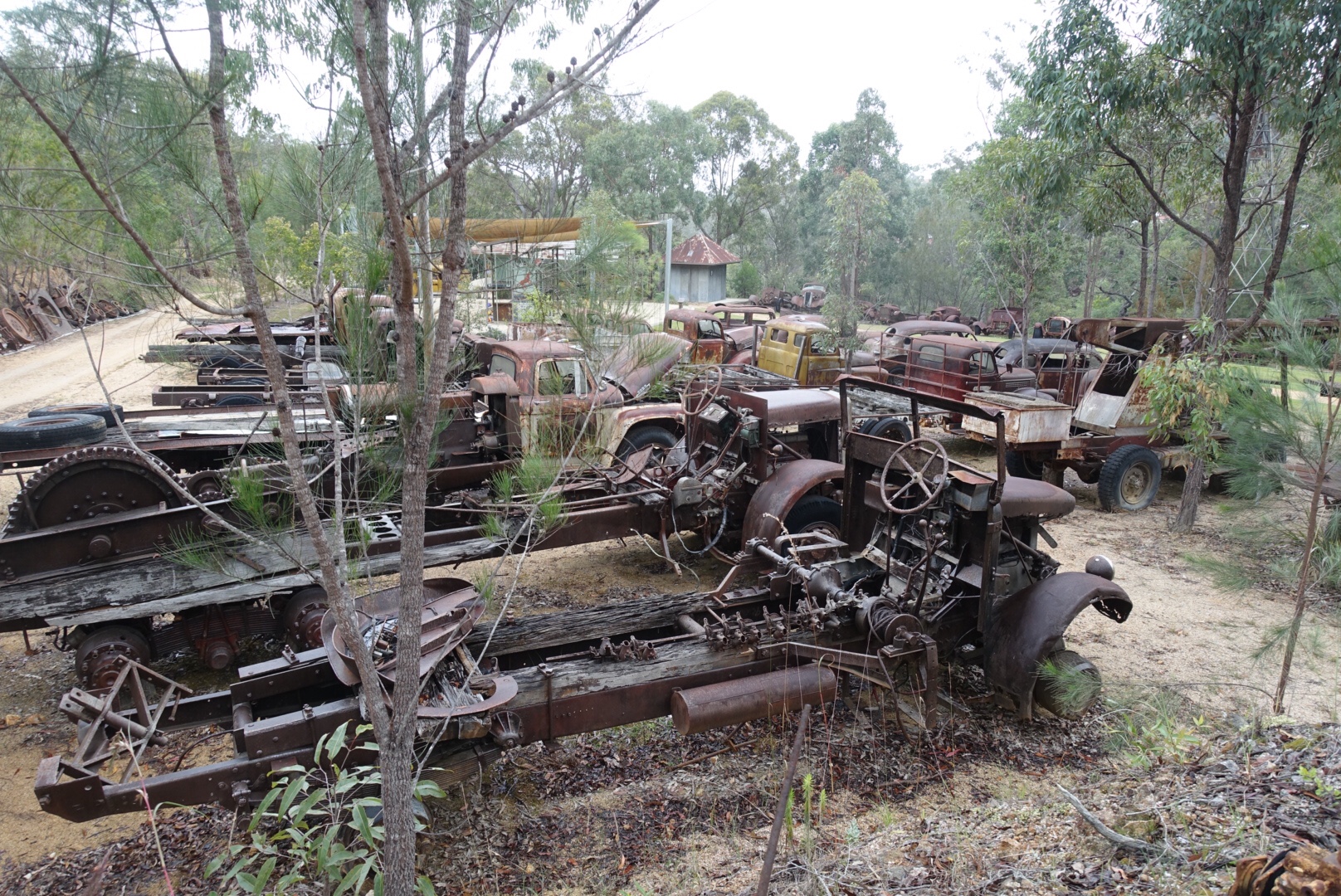
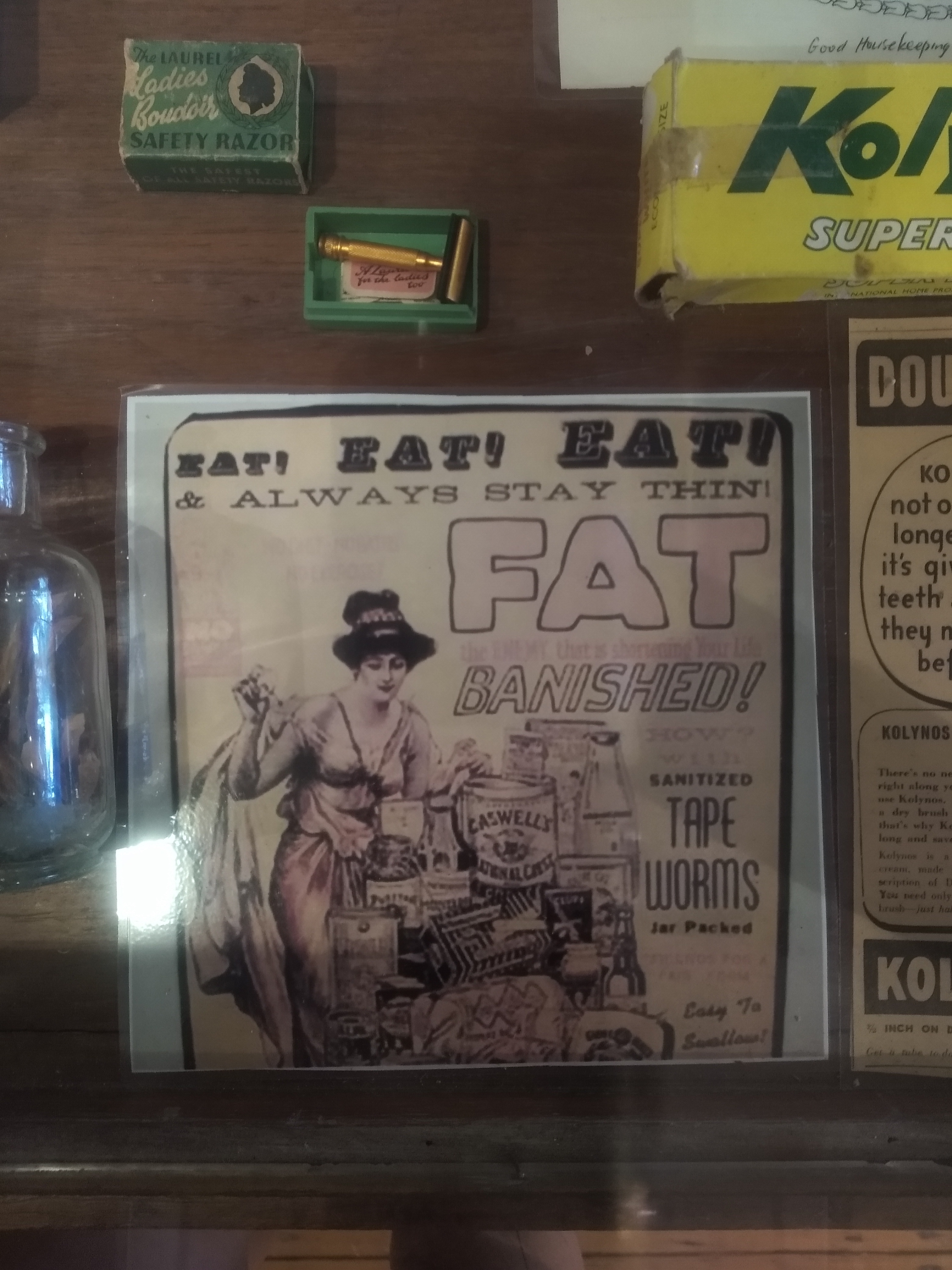
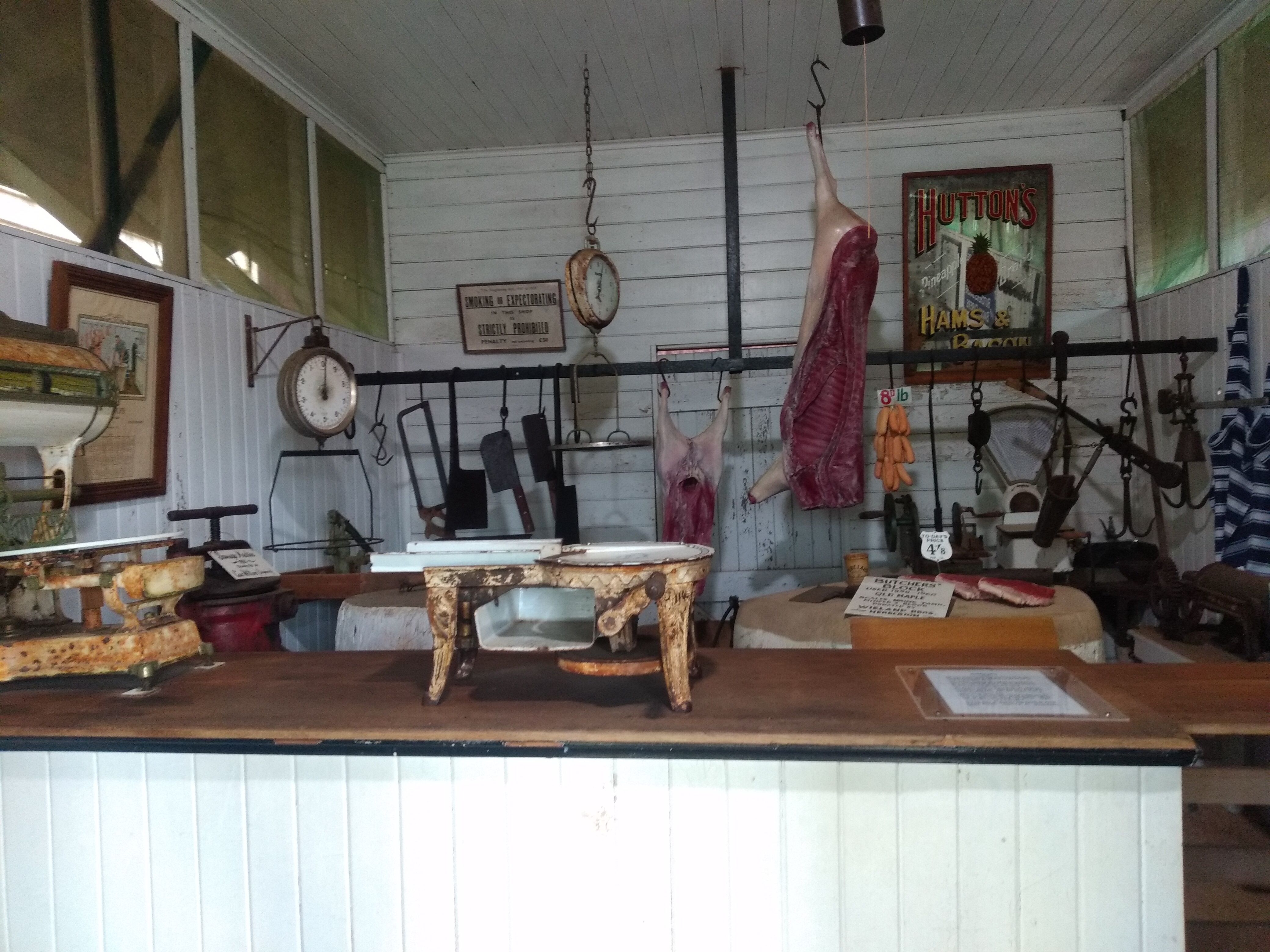
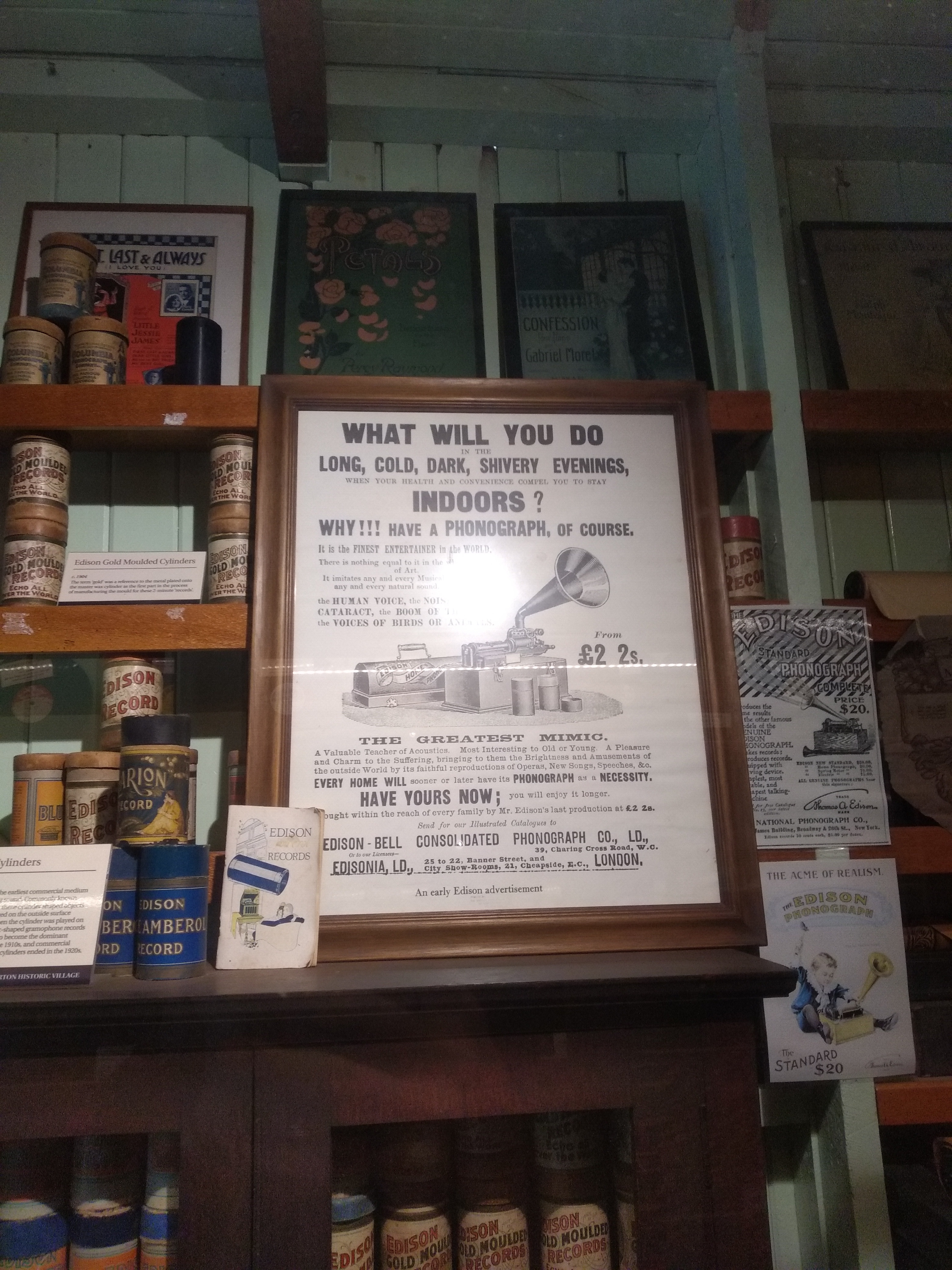
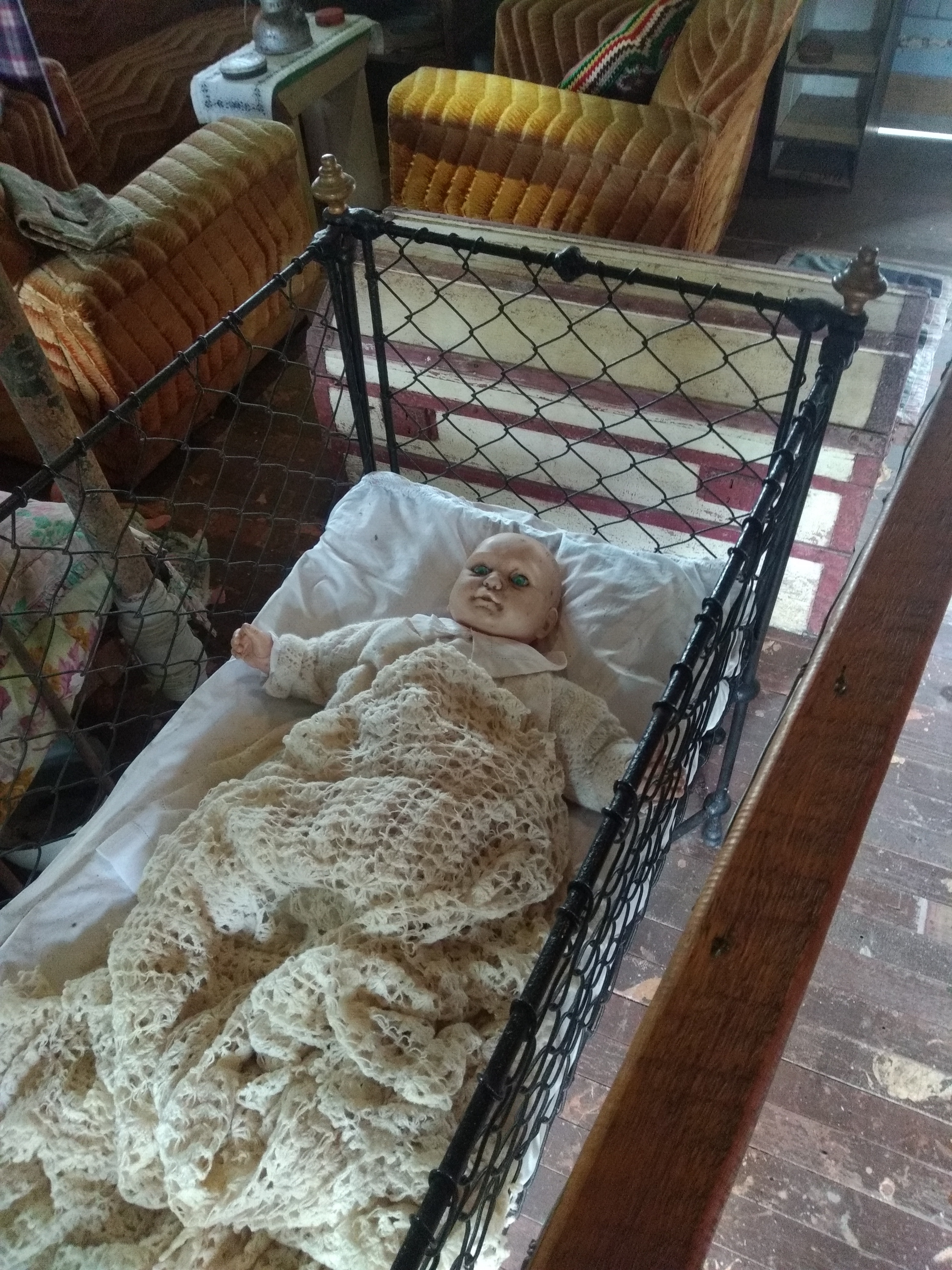
We stumbled upon a place called ‘Herberton’, a village built in the style of an 1800’s mining town, consisting of 63 perfectly recreated historical buildings and A LOT of (random) historical artefacts. The collection was the work of a hoarder, who later partnered with an OCD millionaire, who neatly organised everything.
It was eerily quiet, as the government only allowed 20 people in, despite it being the size of a small town. We had high expectations for the demonstration of the historical ambulance, which turned out to be just a bloke starting the engine of a small train. We were the only ones to attend the demo, leading to an awkward and silent staring contest with the train operator. We tried to conjure up a few good questions to break the ice, as we couldn’t just walk away and leave him alone to fill his 20-minute demo-slot. “How many horse powers on this thing?” – I asked, proud of the butch nature of my question. As soon as we felt that we showed enough interest to justify leaving without feeling sorry for him, we moved on to the next demonstration. As it turned out, the historical tractor demonstration consisted of the same bloke, firing up the engine of a tractor. To the relief of both the operator and ourselves, the loud roaring of the tractor offered no room for further questions.
‘How many horse powers on this thing?’
My really butch question at a train demonstration in Herberton
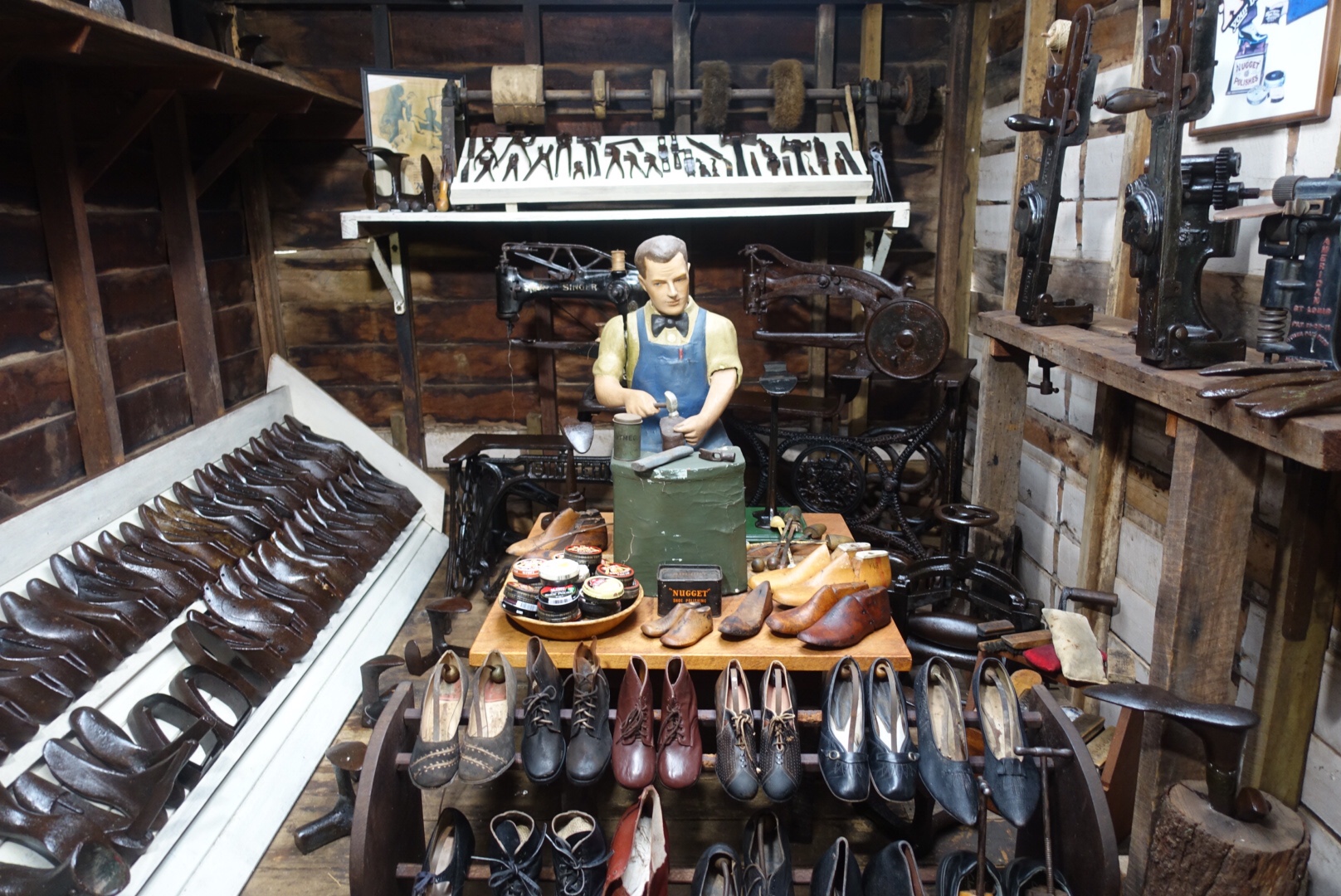
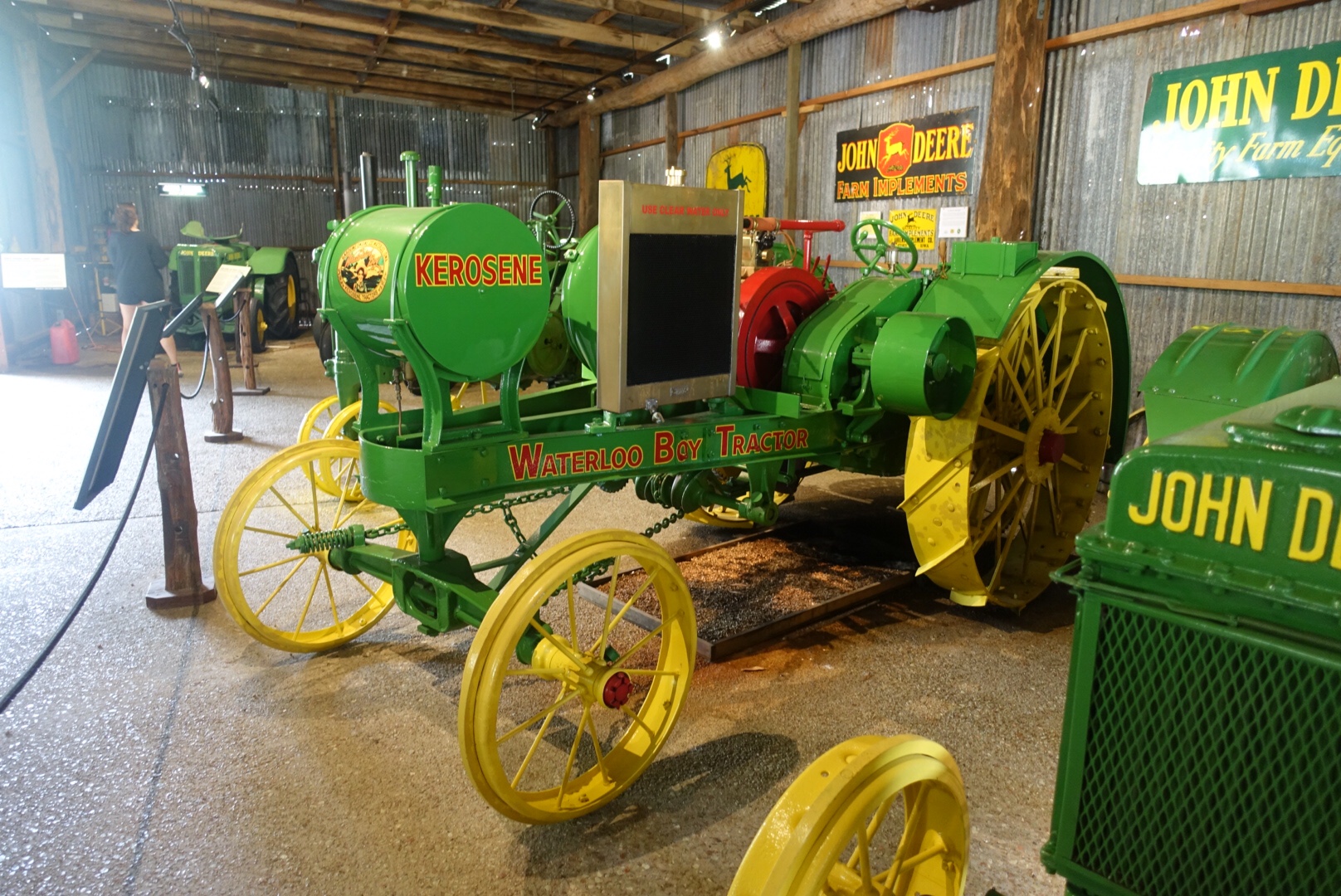
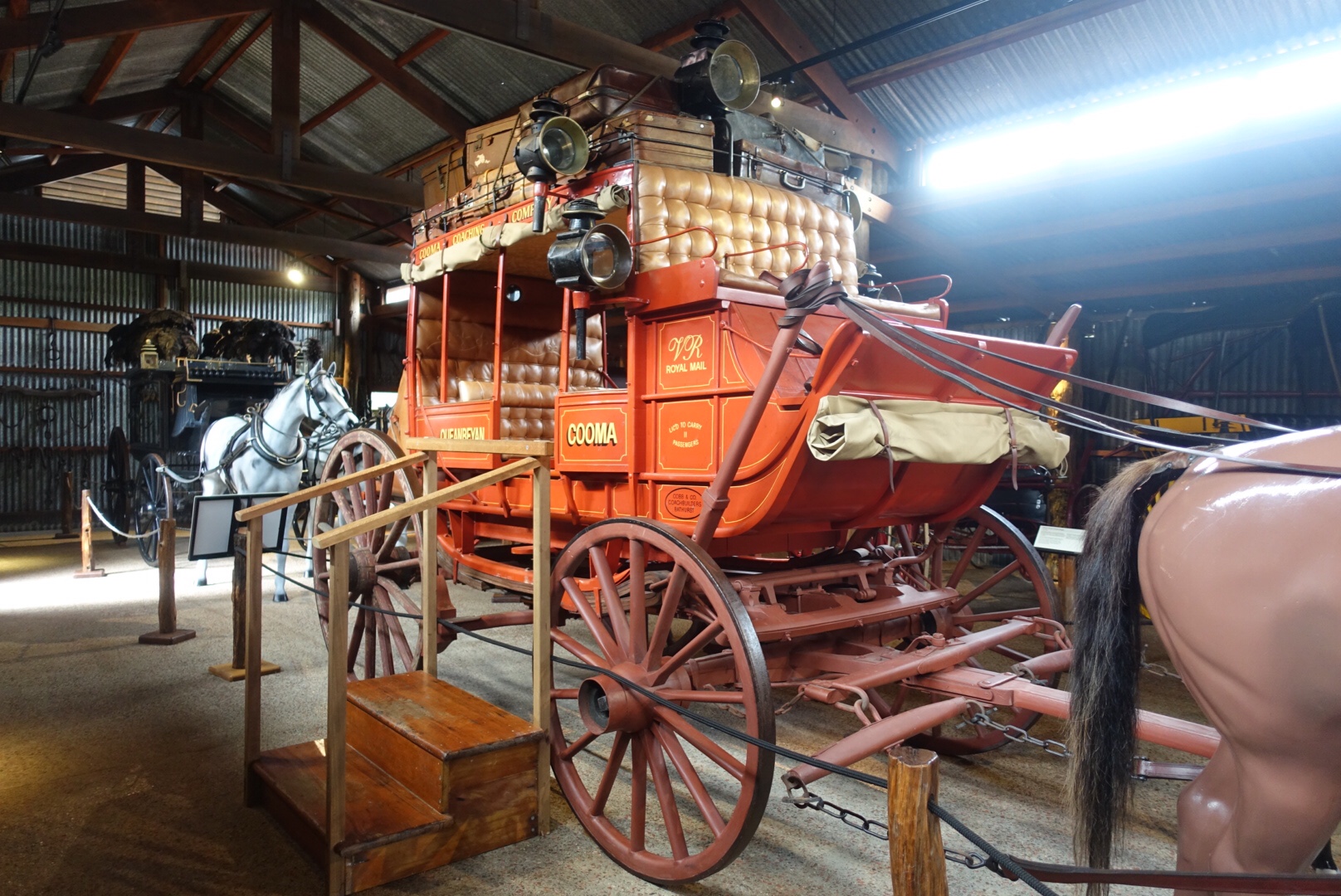
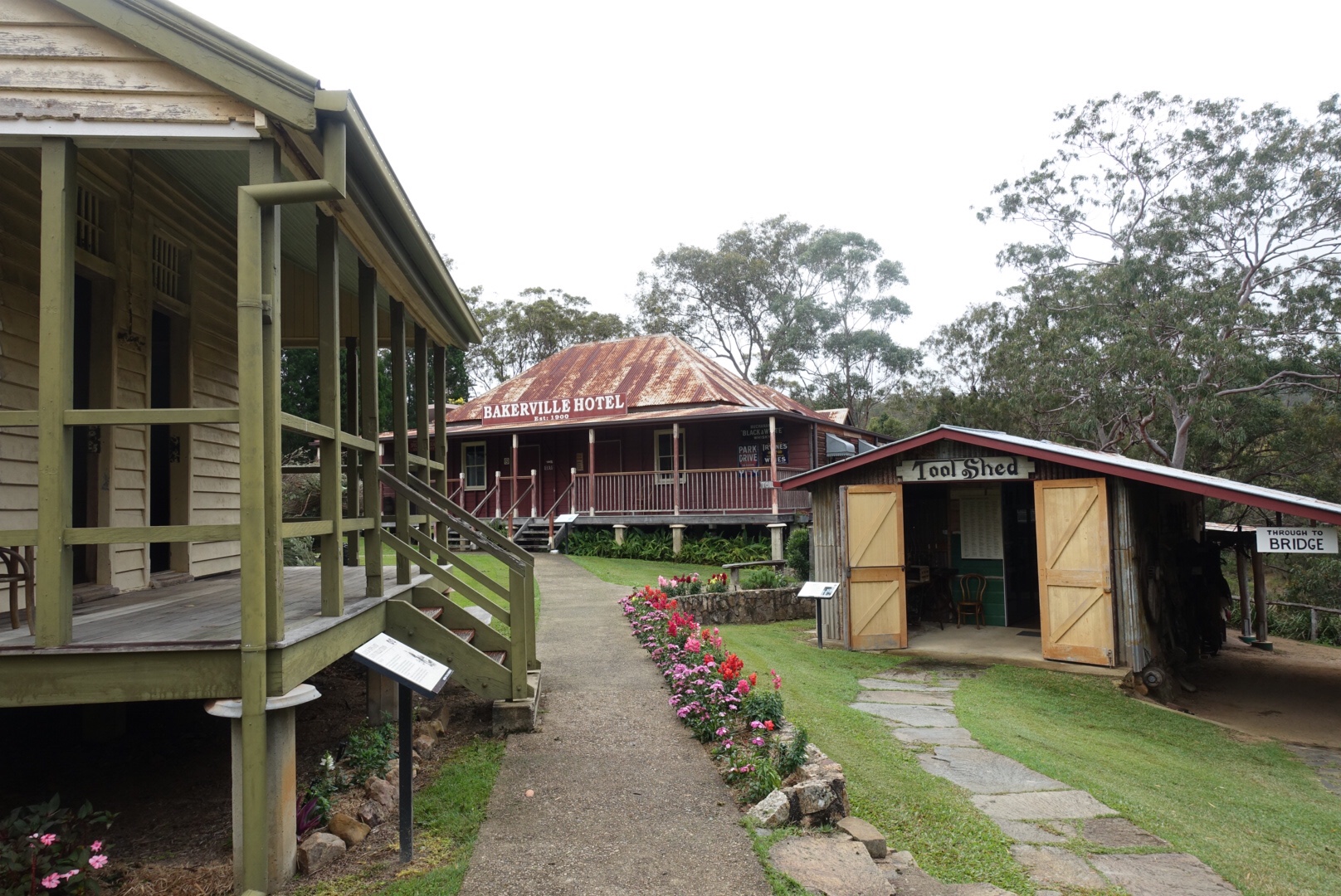
5. TOWNSVILLE
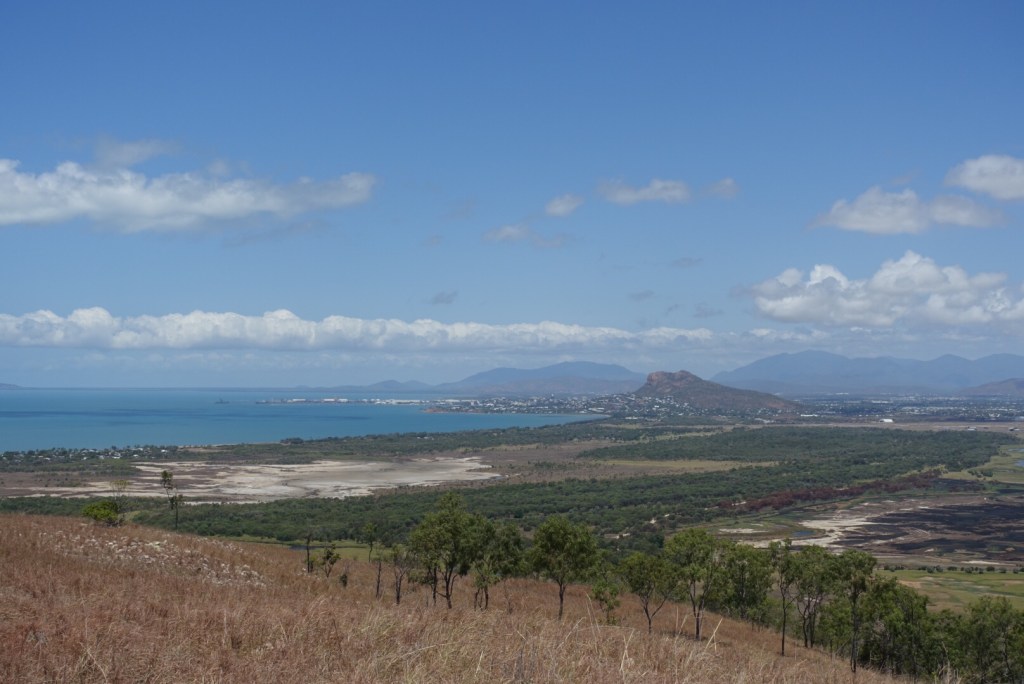
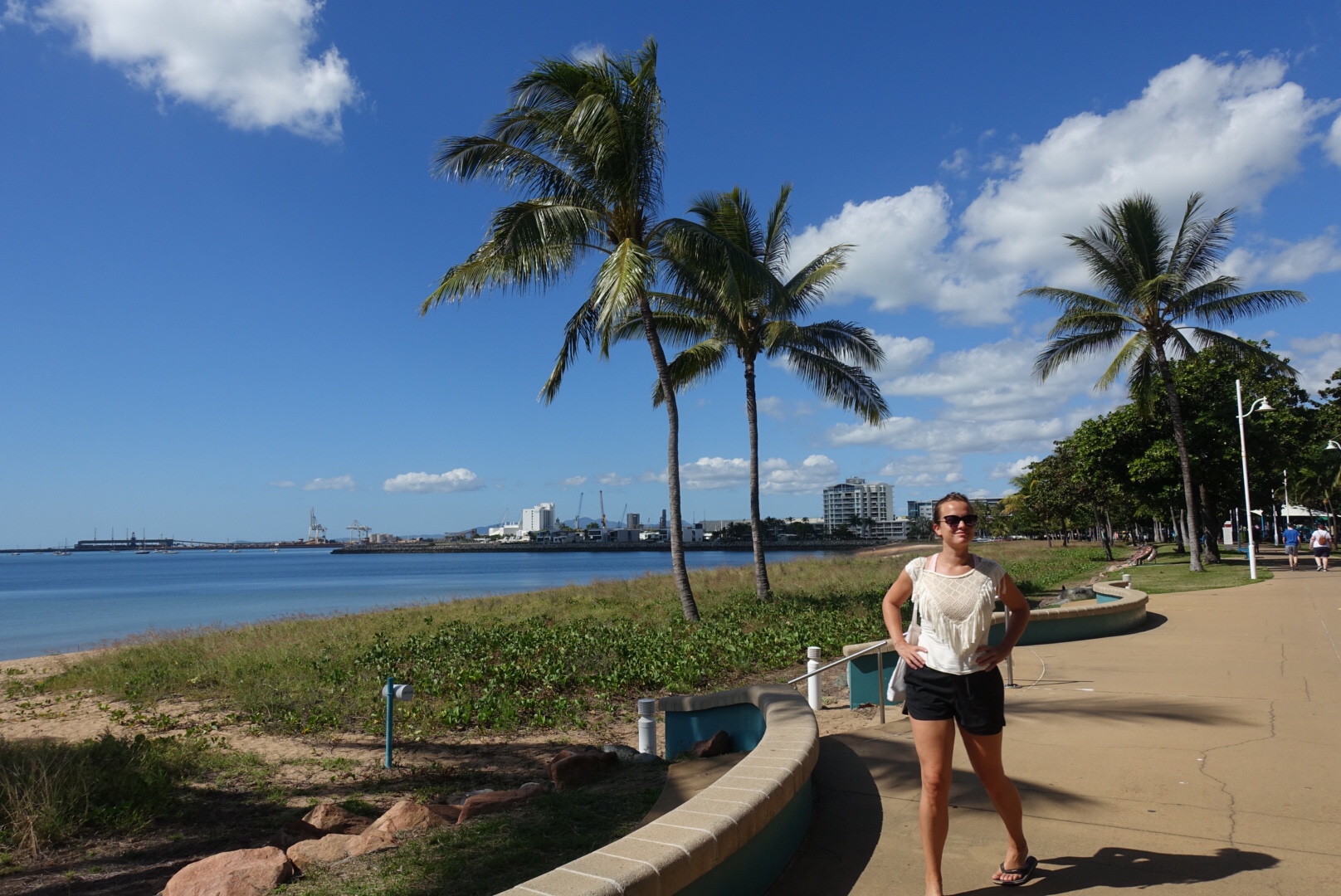
After the Tablelands, we drove via the outback to Townsville. A beautiful town by the ocean, connecting the world to Magnetic Island by ferry. The Townsville we saw wasn’t much bigger than a few streets. As for many other places in North East Australia, it was surrounded by industrial sites with warehouses and fast food chains.
We found a quirky campsite to rest for the night, where we got to enjoy the luxury of our own private, en-suite toilet block. Here we spotted a fast, cat like figure running on its back legs across the fence. ‘IT’S A TREE KANGAROO’, we concluded. We were over-excited seeing this extremely rare animal, until our down-to-earth, farmer neighbour informed us that it was a Possum. A common pest, but still the source of some incredible entertainment to us.
EDIT: after I wrote this blog we went back to Townsville and I noticed I didn’t do it any justice in this blog. It’s a wonderful place.
6. MAGNETIC ISLAND
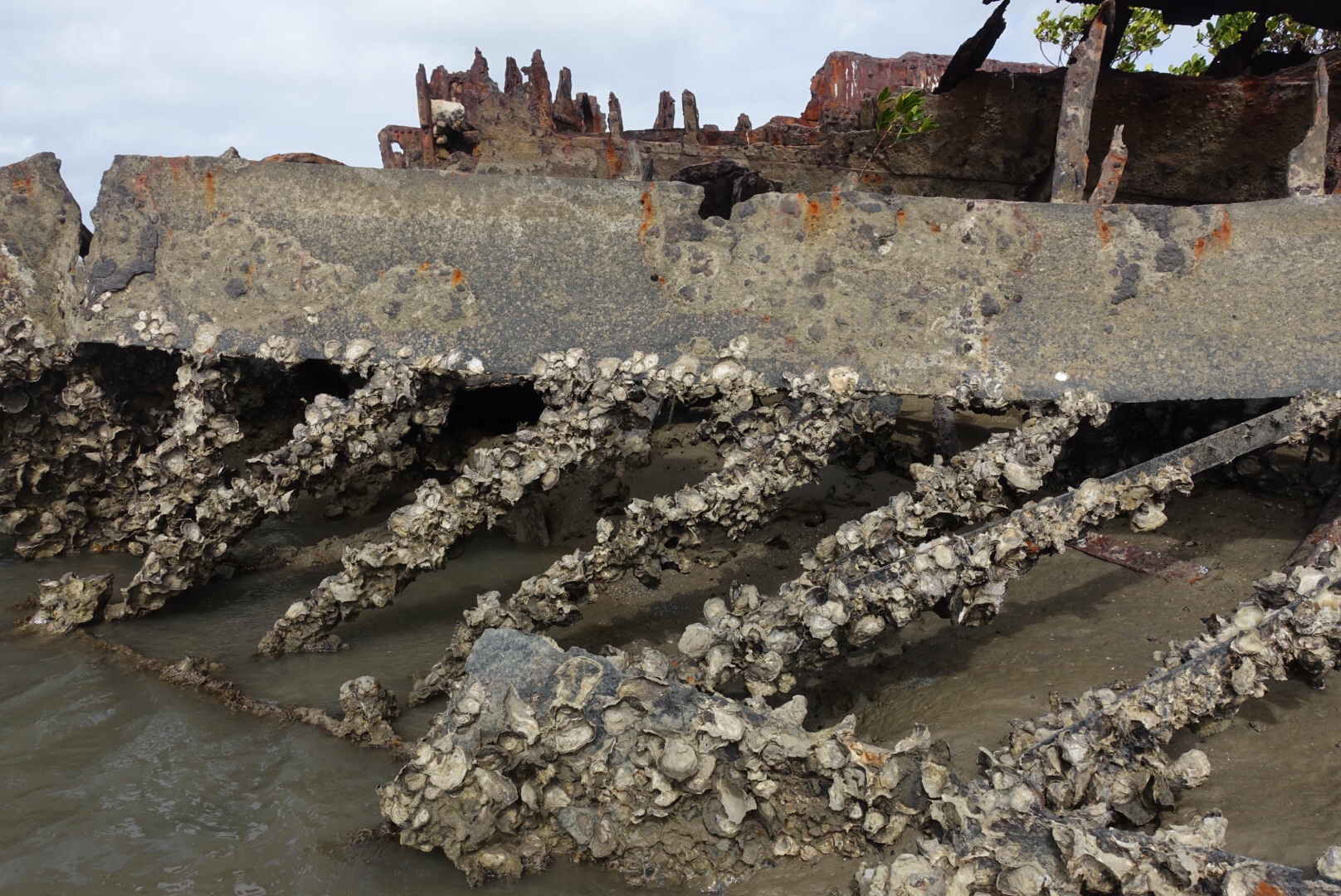
We left our motorhome and took a ferry to ‘Maggie’. We rented a safari tent at a local bed & breakfast and a 4WD vehicle to explore the island. The car was close to falling apart, but it had its charm driving around in a convertible (even though it couldn’t exceed 50 mph). Magnetic Island offers some good dive, snorkel sites and hiking routes. On these routes we saw our first koalas. In order for you to notice them lazing in the trees, you have to be very alert as it is easy to miss them. People place twigs and branches on the floor in the shape of arrows pointing at the sightings so you can see the world laziest animals snoozing from up close.
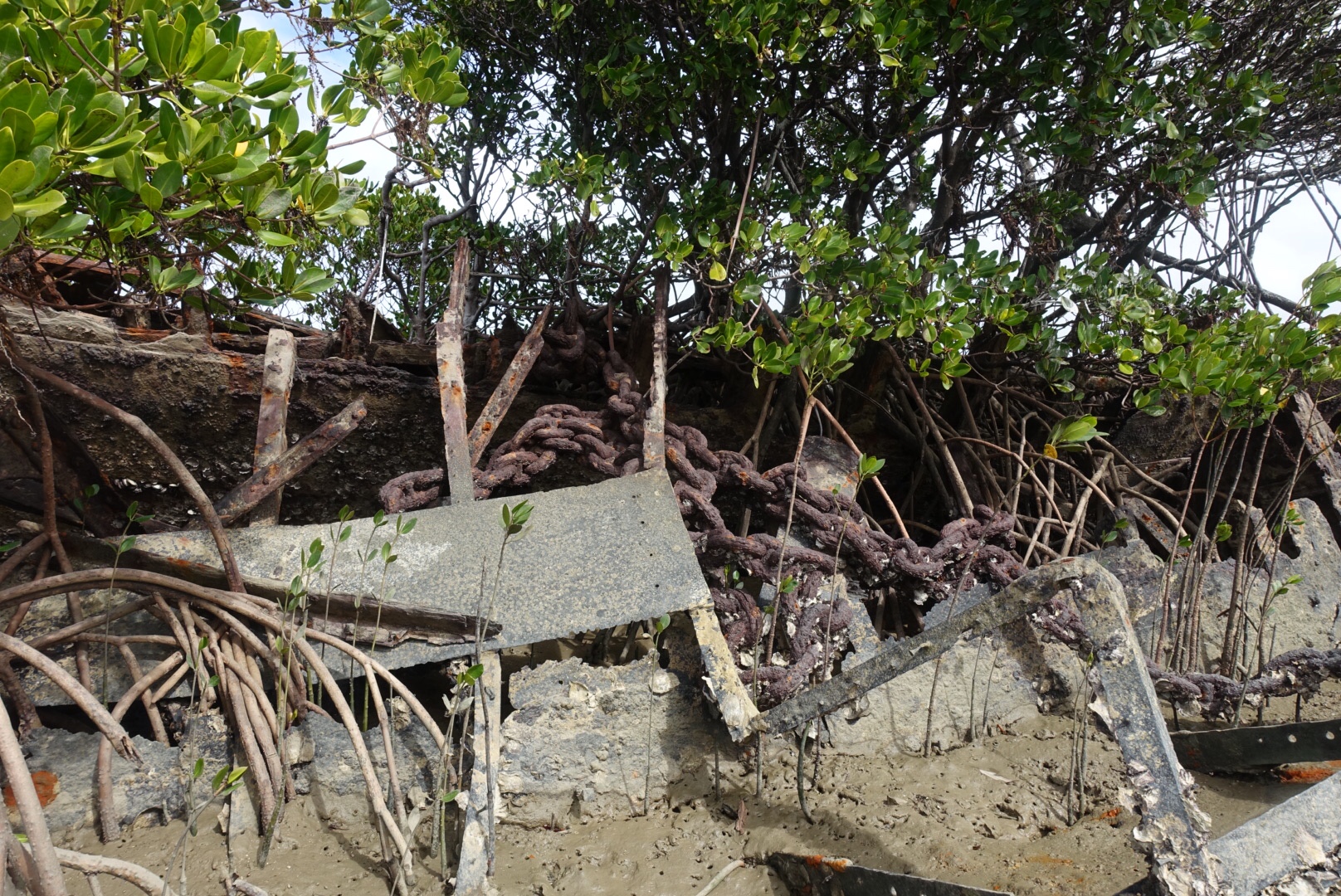
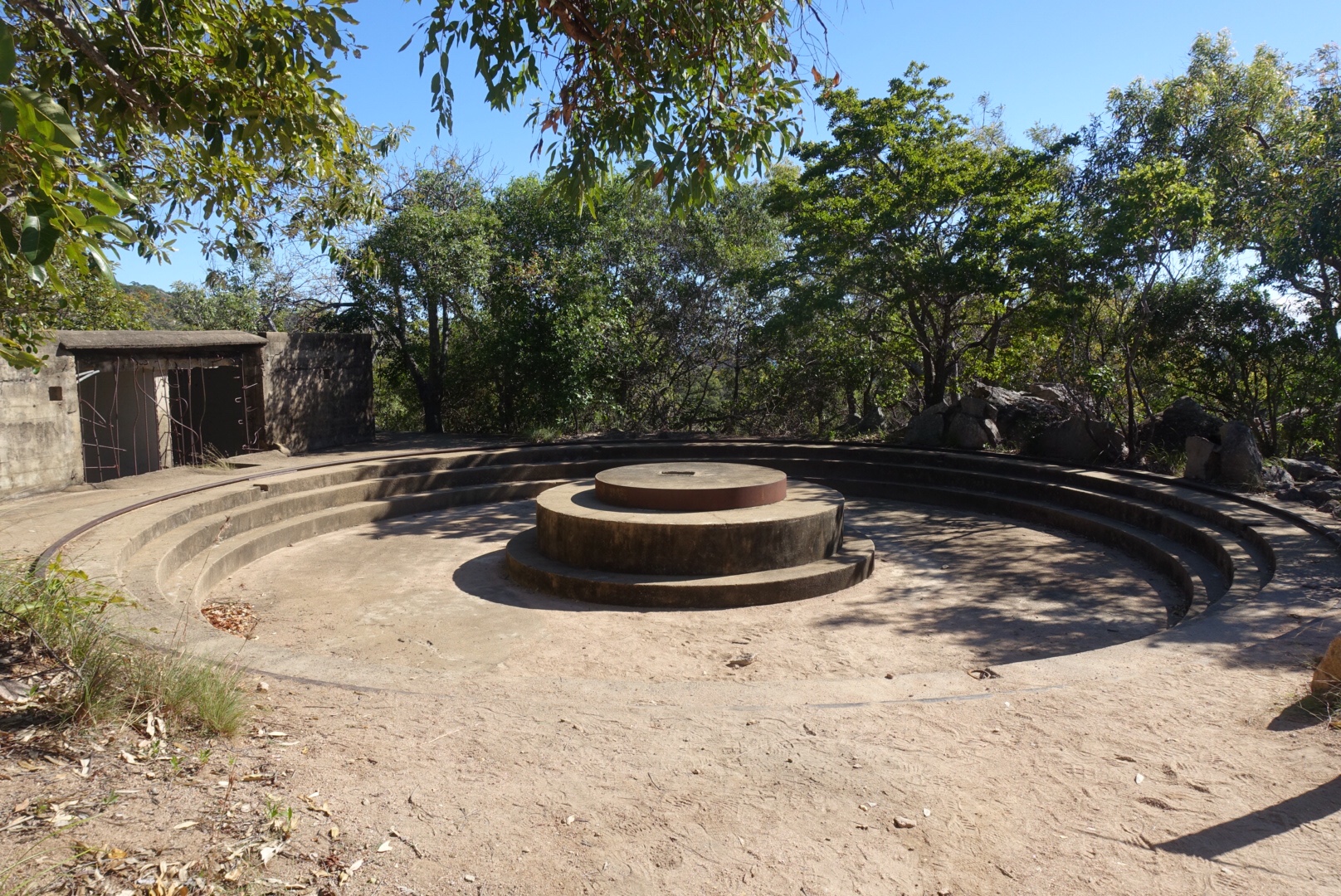
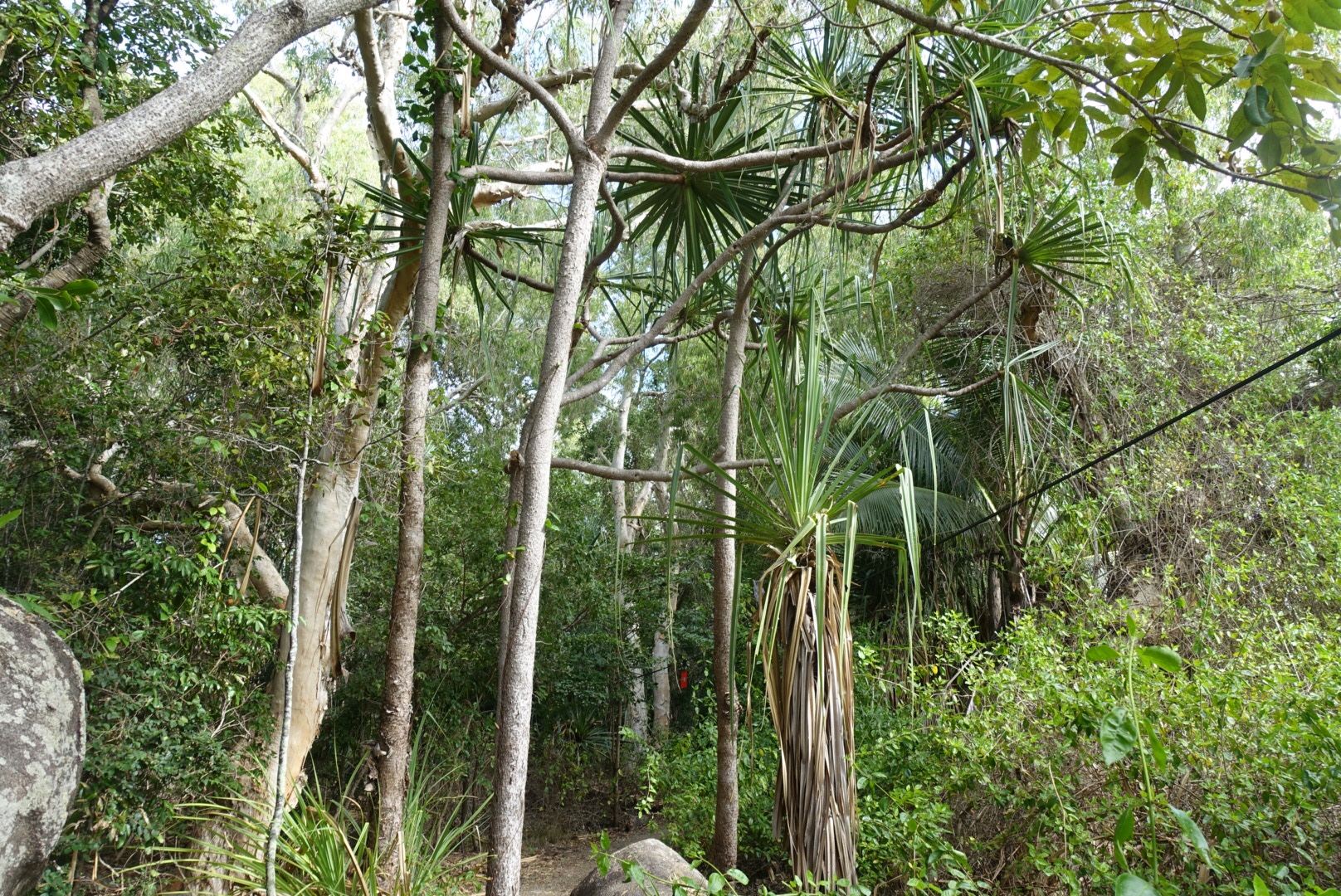
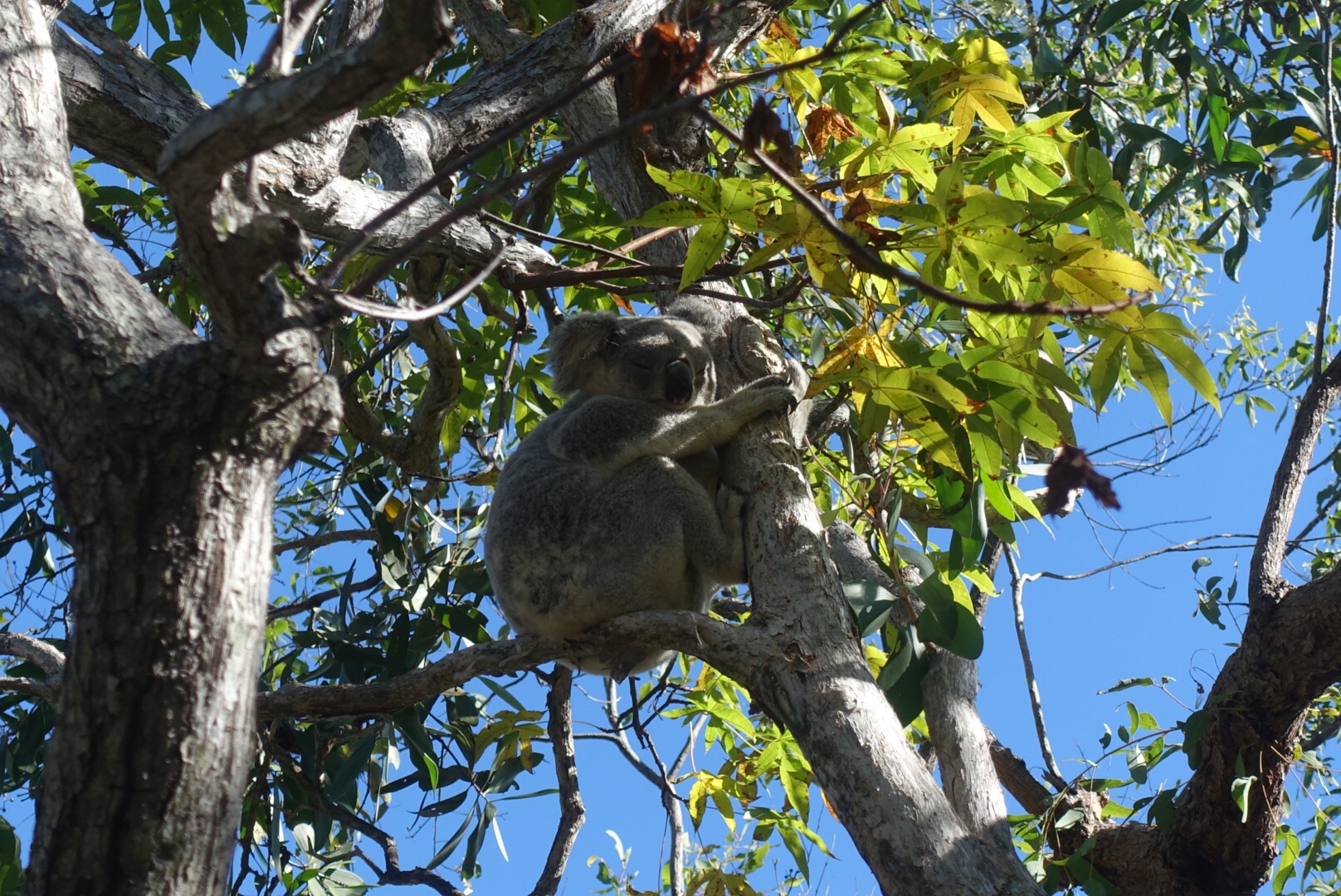
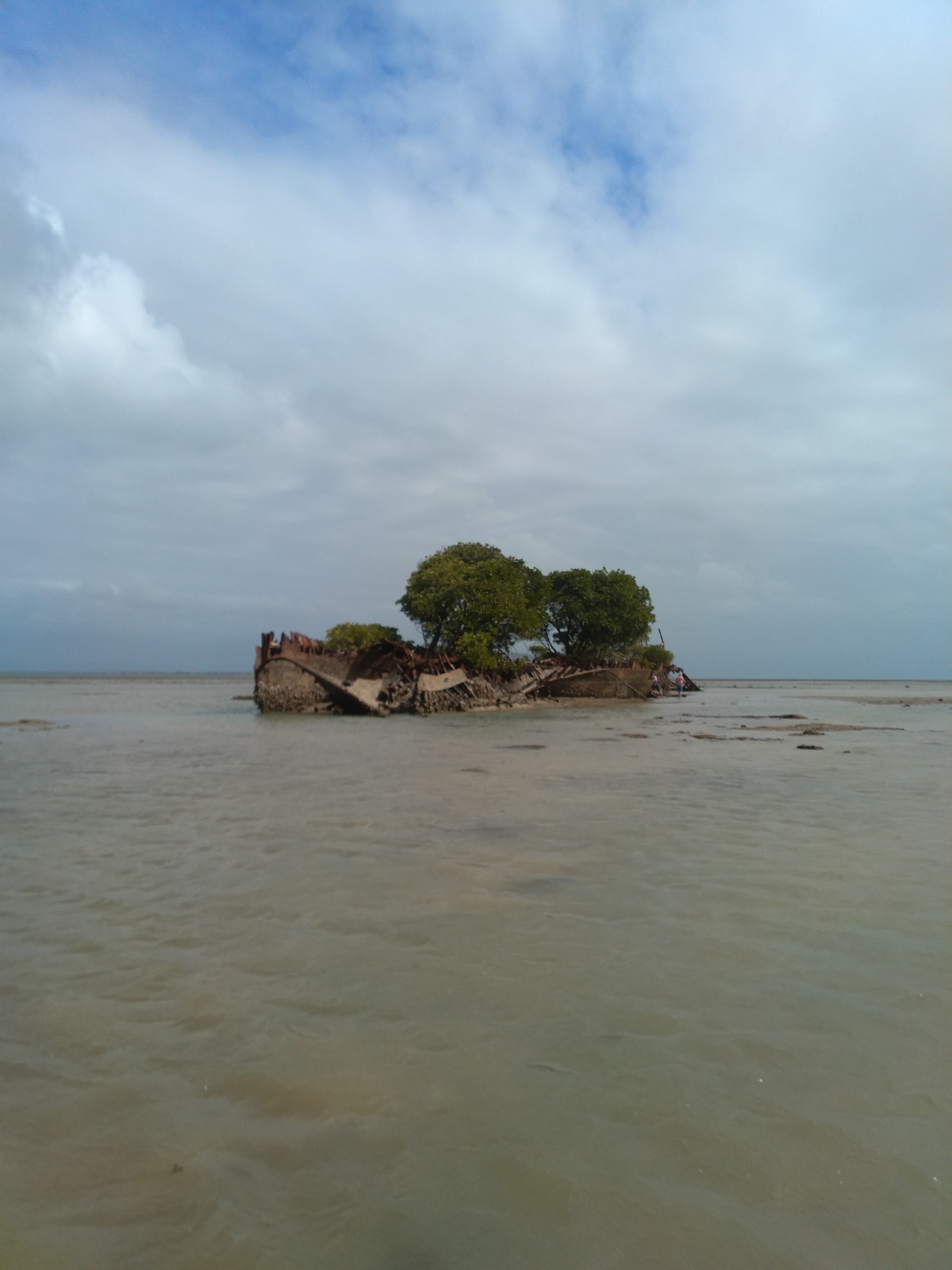
7. EDNA BAY
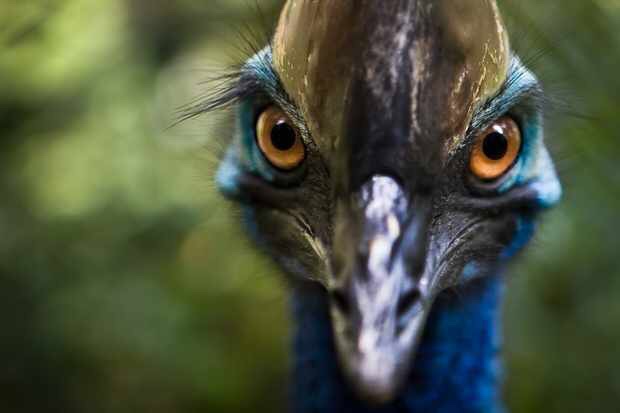
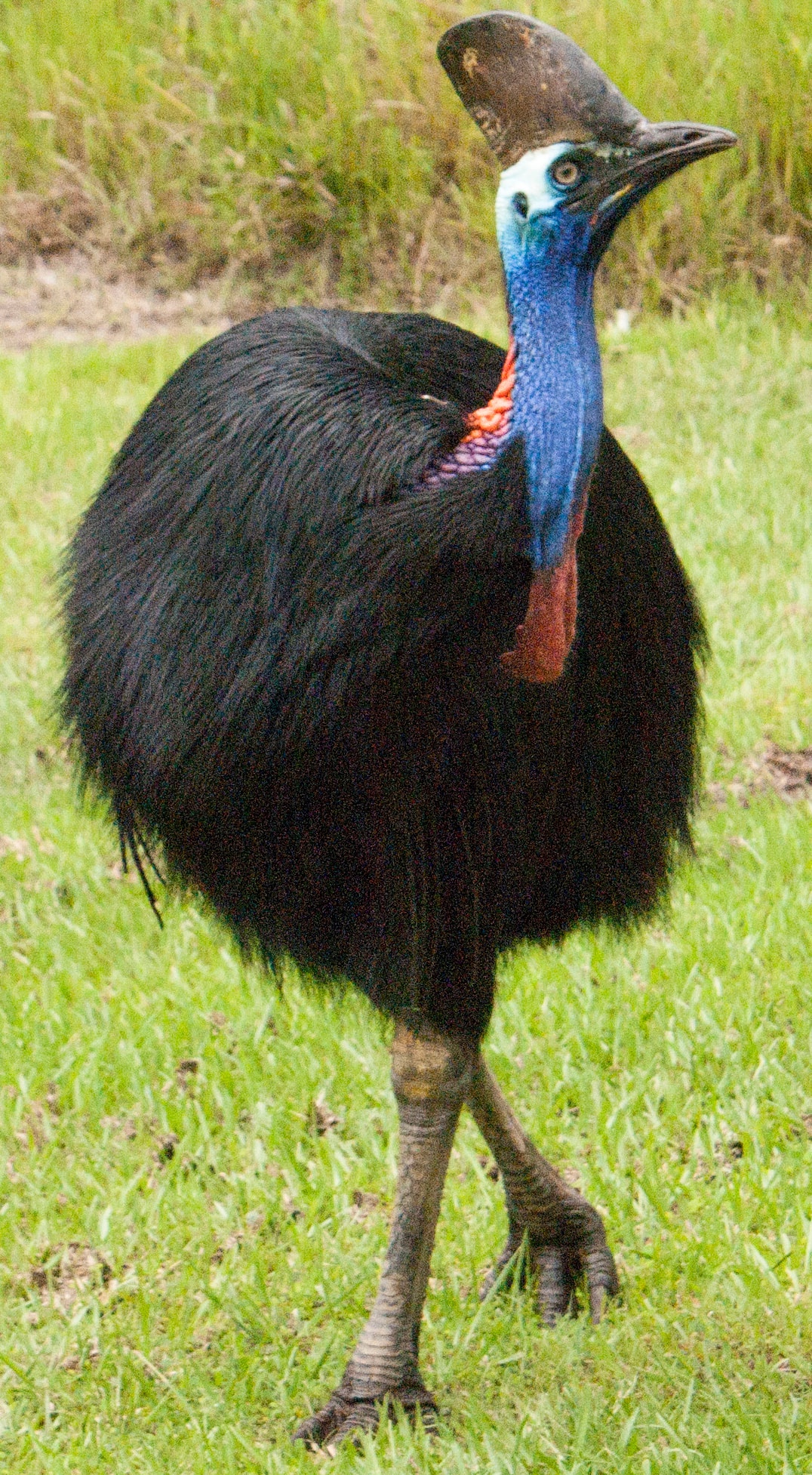
After Townsville and Maggie, we headed for lunch at Edna Bay, on the ‘cassowary coast’. It lived up to its name. Seeing a cassowary for the first time, you might mistake it for a bright coloured emu. In reality, it’s more like a deadly, evil, punk-rock emu.
This pre-historic bird comes close to a small, colourful, dinosaur. Some people who met this extraordinary animal from up close, ended up suffering the consequences. The most dangerous bird in the world has been known to attack people with its velociraptor-like claws. It can slice your gut open quicker than I can open a bottle of wine on a Friday night, which is impressive…
As with most animals, this only happens when it feels threatened. We therefore watched it from afar, secretly filming the couple chasing it in search for an instagram-worthy picture.
8. BABINDA
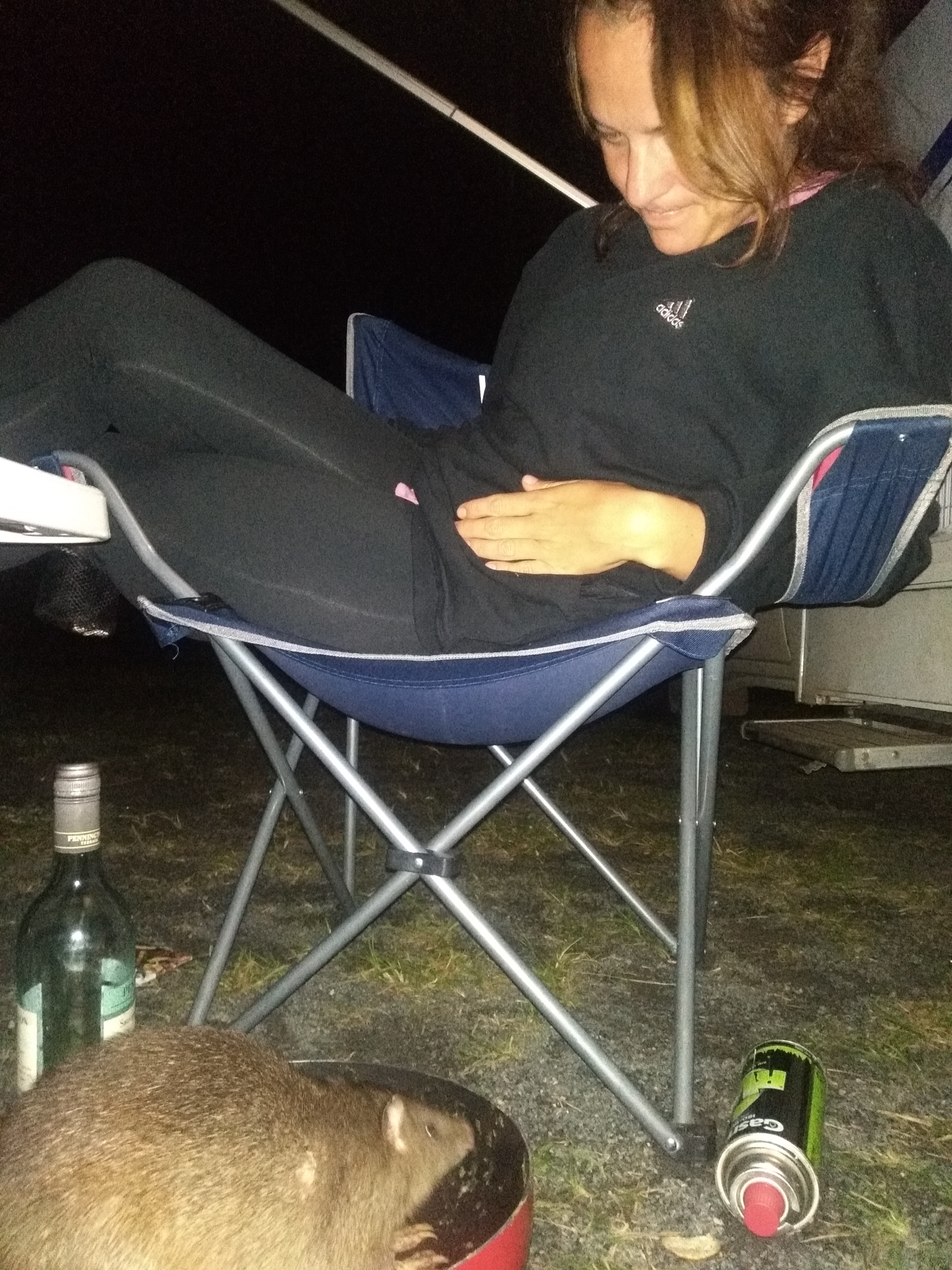
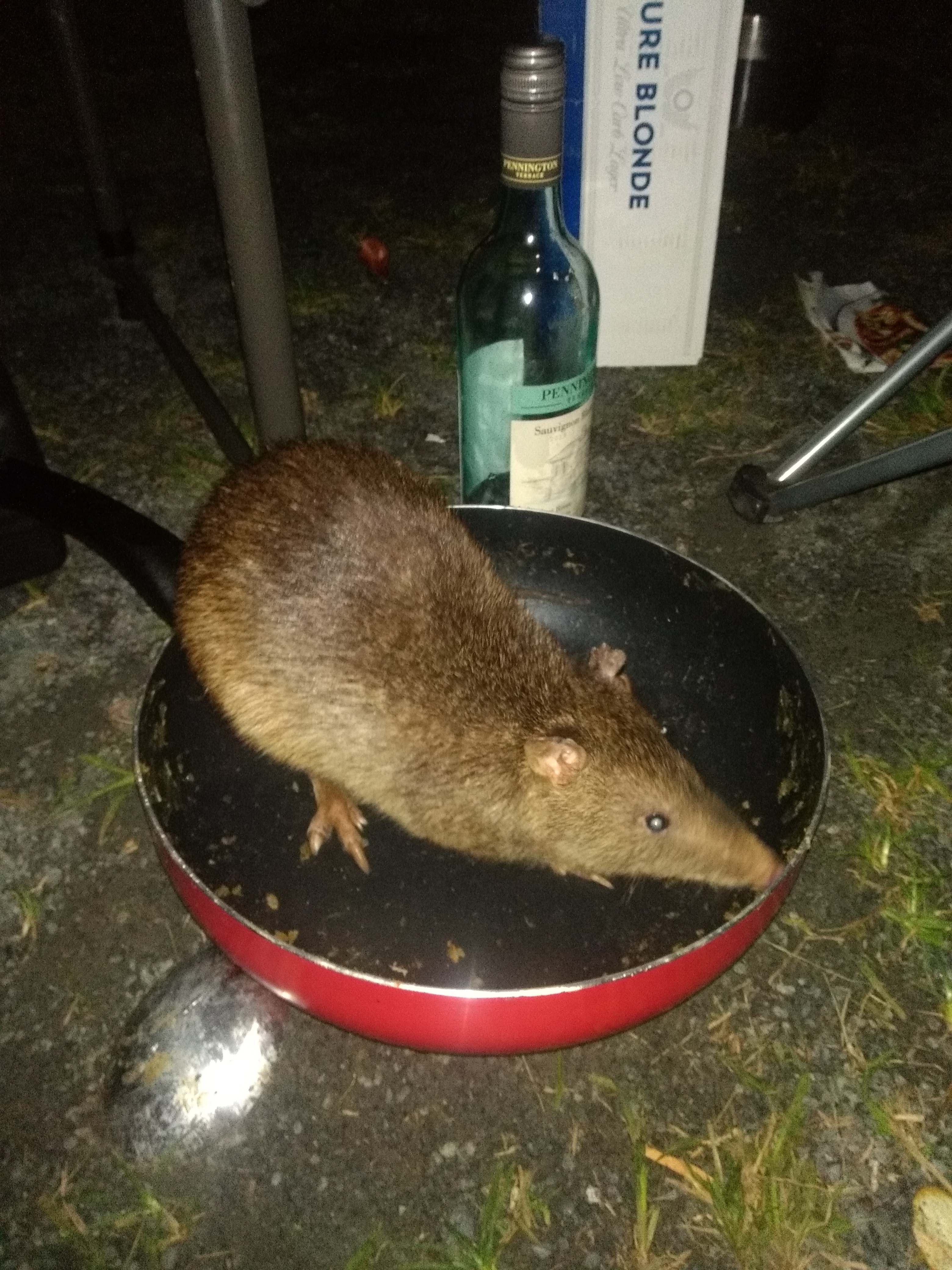
We found more interesting wildlife in Babinda. After finishing our evening meal, we ran into another species we’ve never encountered before. Actually, it ran in to Pete. It was the most hilarious, rat-like animal I’ve ever seen. It had a pointy nose and it was as blind as it was clumsy. It loudly catapulted itself from our dirty plates onto the pans we had used for our cooking. With a beautiful disregard for its own safety, we watched it running in pure leftover ecstasy from one unclean pot to the other. In Australia, you really don’t need much to be entertained – the animals are weird AF.
9. AIRLIE BEACH
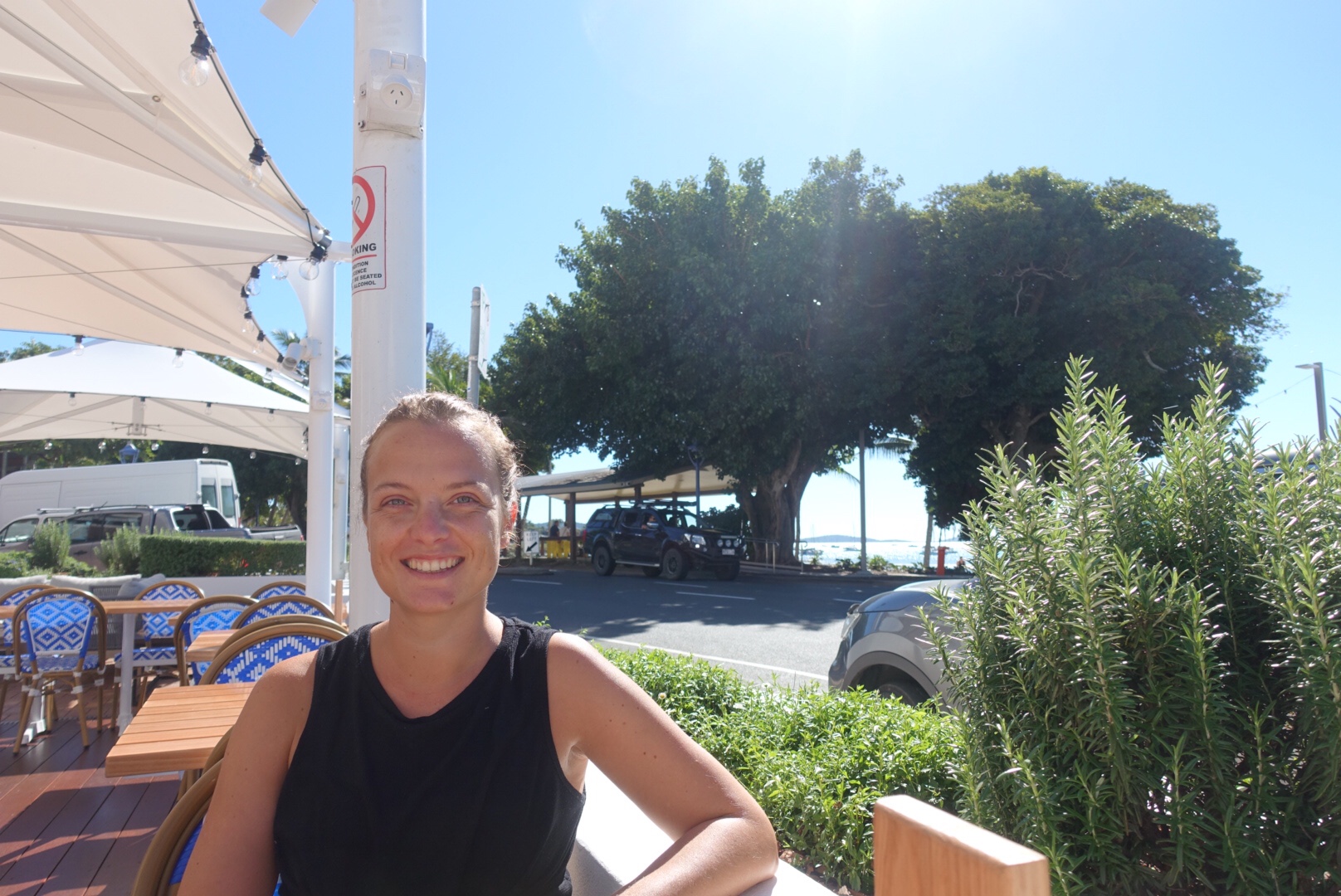
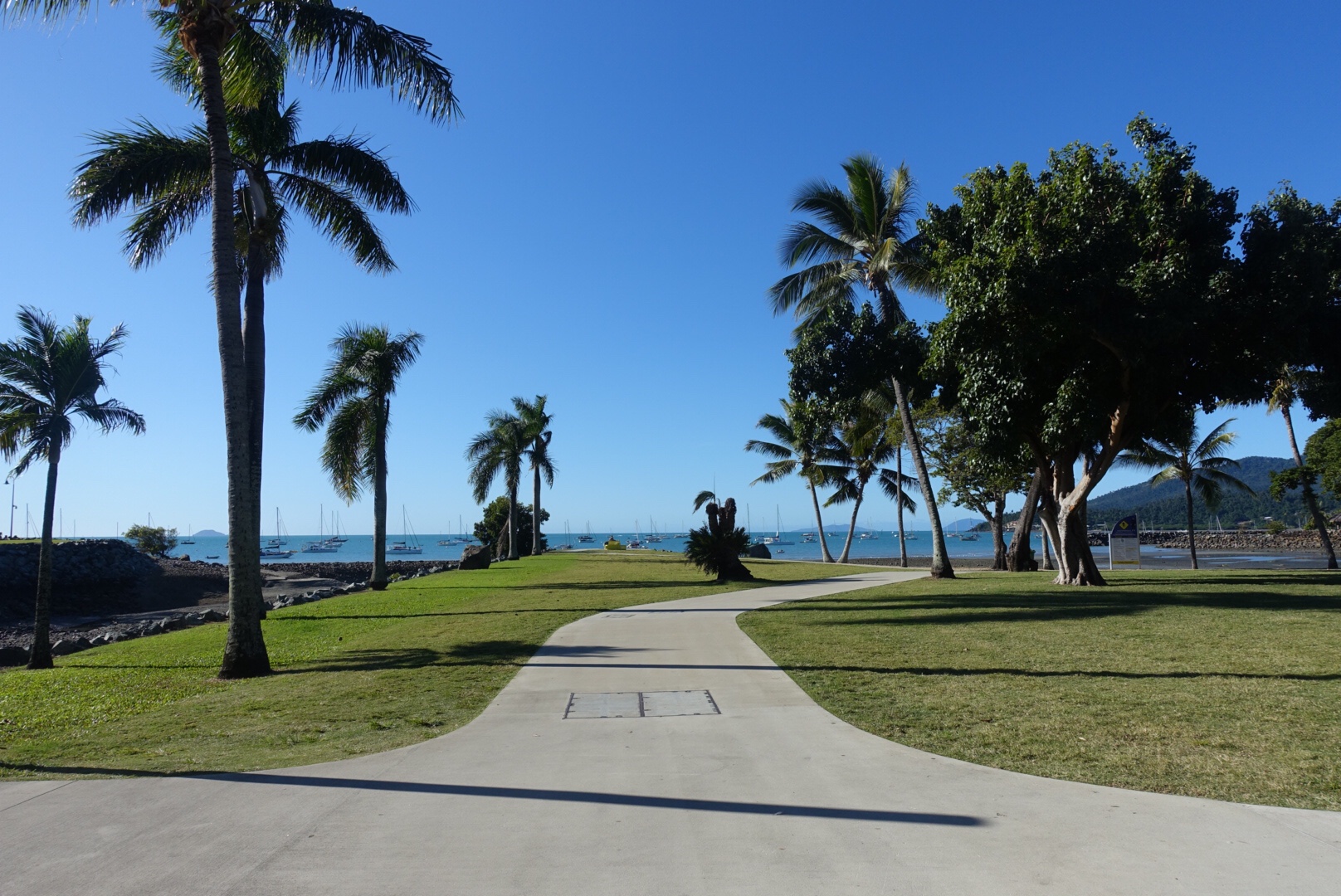
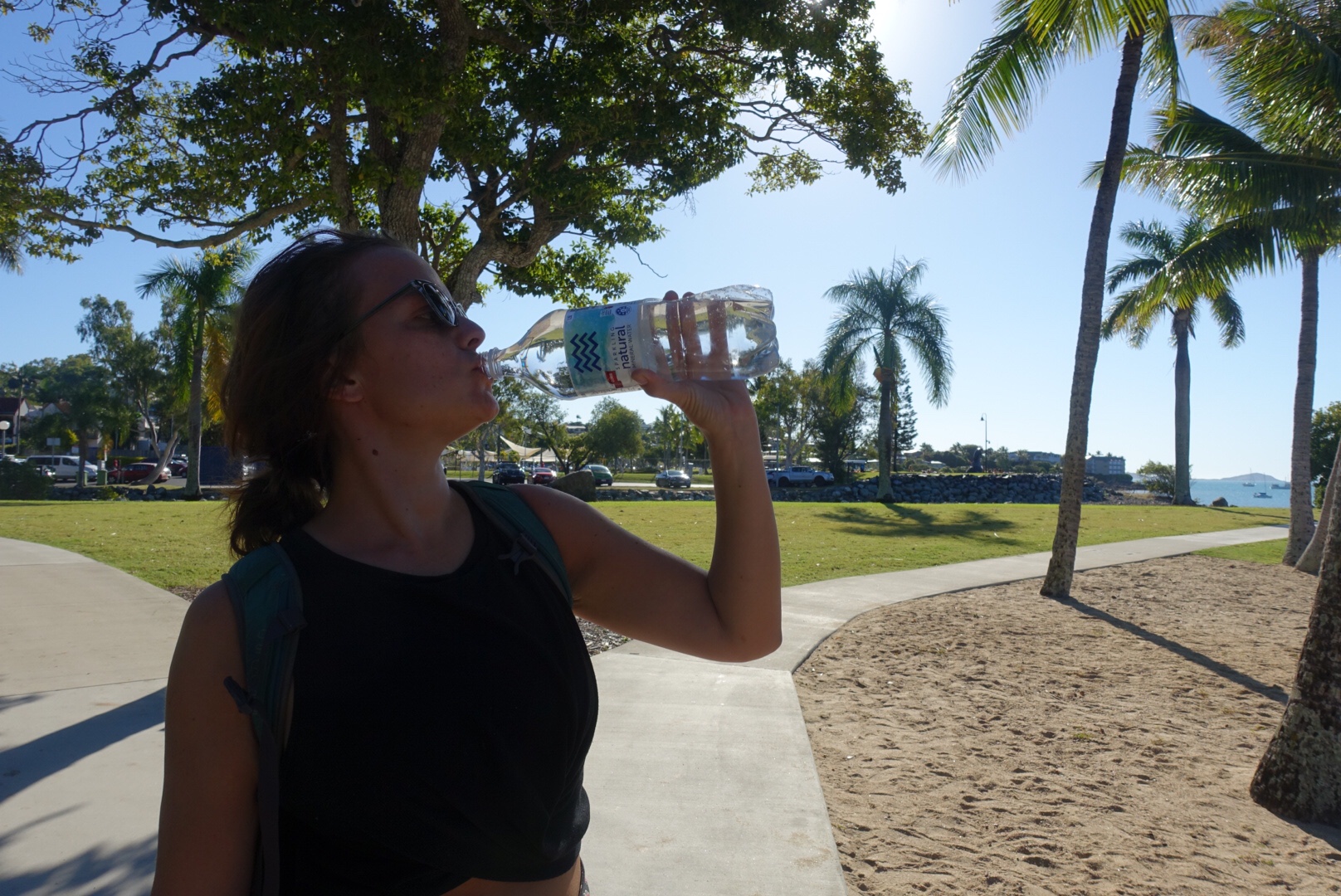
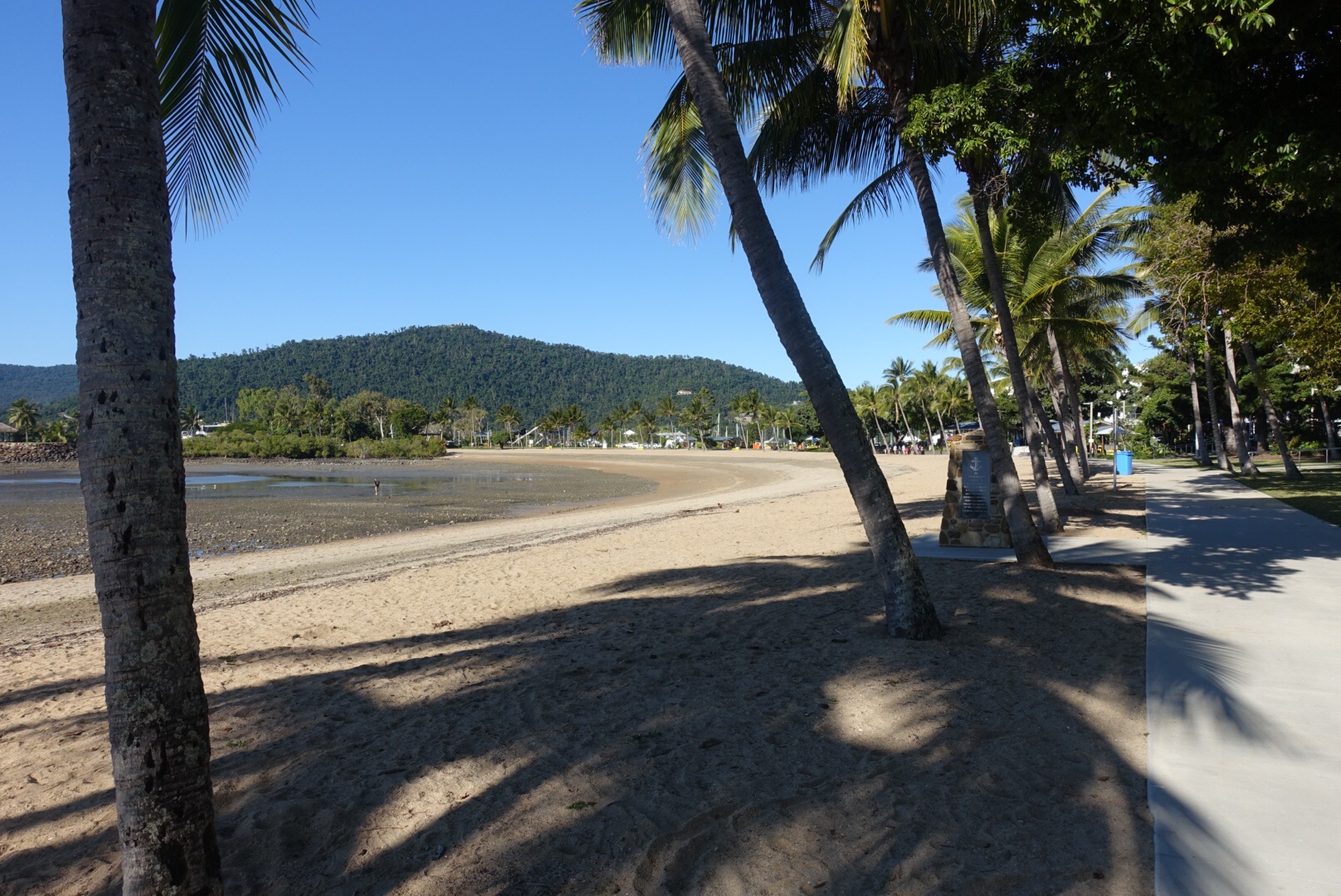
We really felt great in and around Airlie Beach. For most people, Airlie Beach is the gateway to the Whitsundays. White sandy islands surrounded by the bluest of waters. It was postcard perfect and offered our first re-introduction to normality. We didn’t set off for the Whitsundays by yacht, as most people do, but opted for the (cheaper) experience of having a meal and a glass of wine at the coast. The place was just re-opening for tourists, and because of that it was buzzing. Restaurants and bars were full. There were many queues due to the COVID-rules, but that didn’t spoil it for us. After spending months in ghost-towns we loved getting tipsy, going to sports bars and do some people-watching. It felt a bit like we were 16 again, arriving into Mallorca.
10. LAKE PROSERPINE
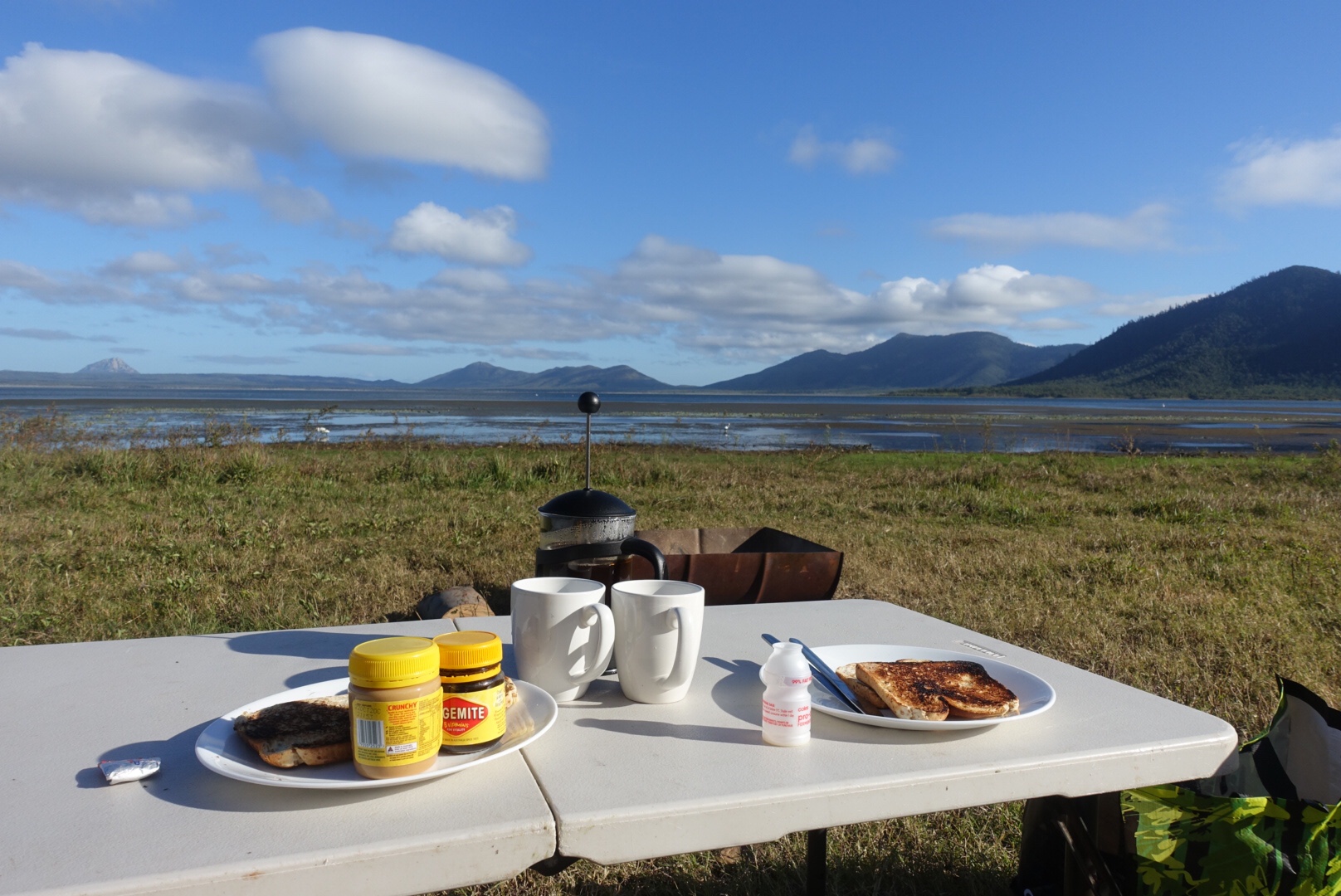
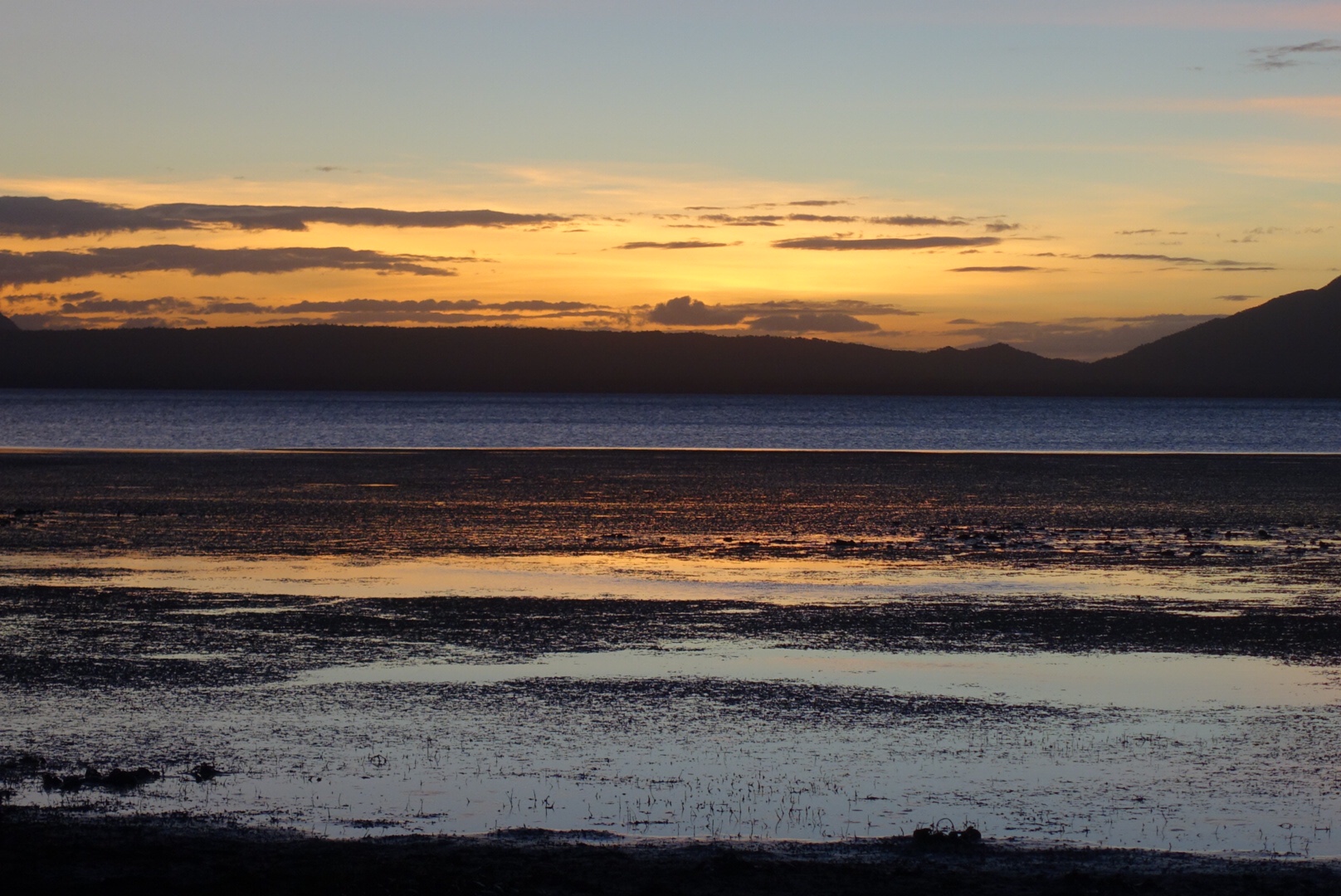
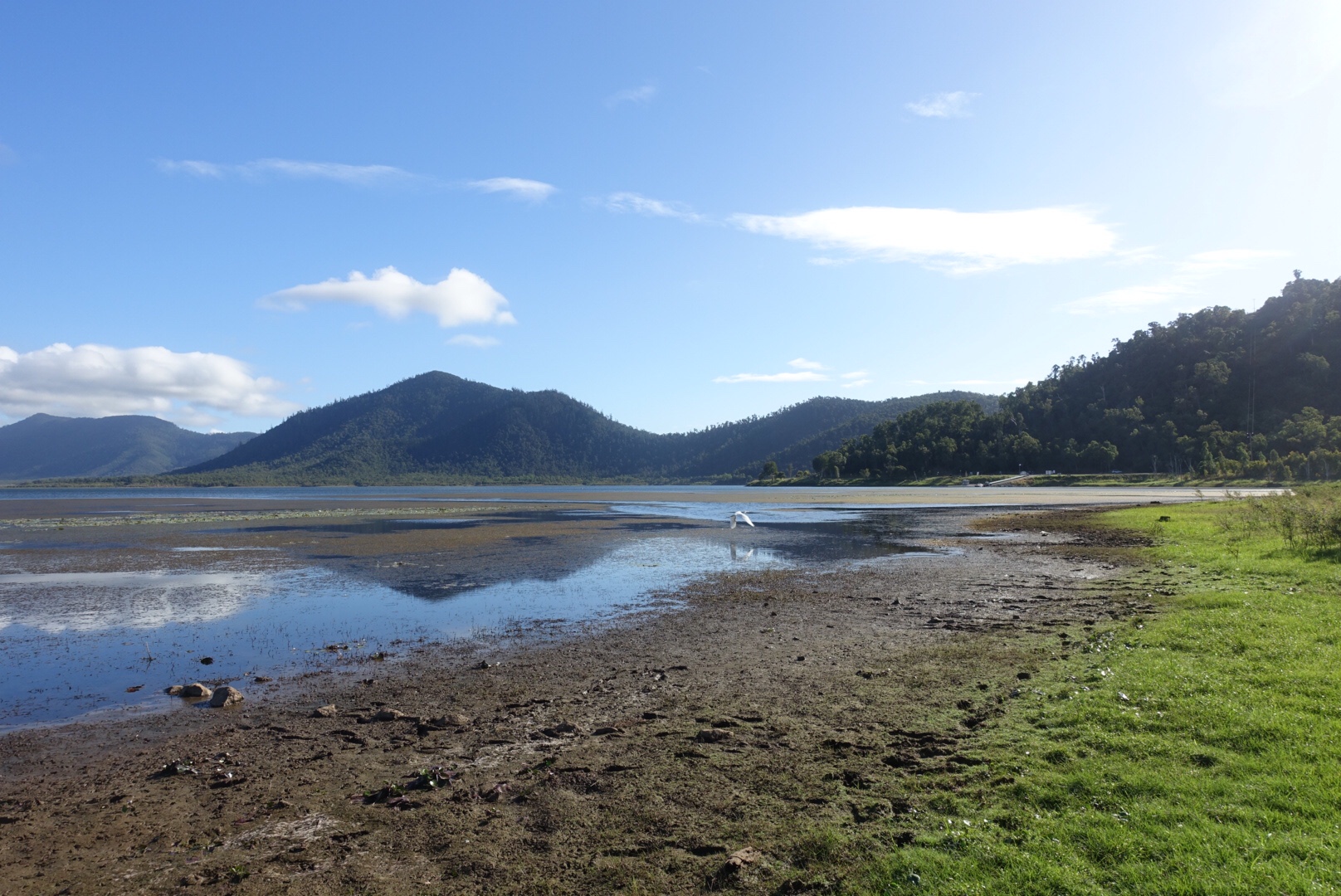
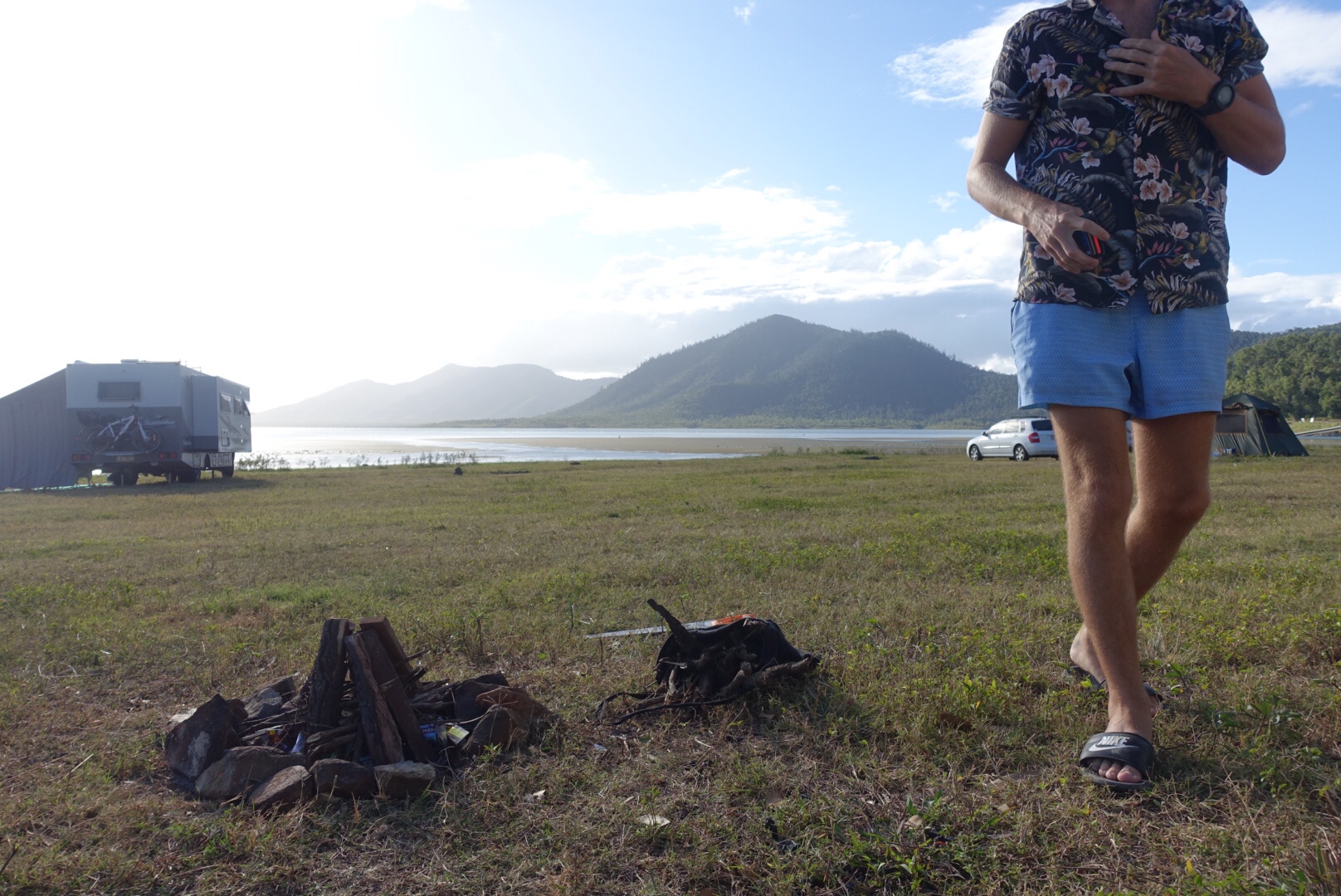
Near Airlie Beach lies Lake Proserpine. A free camp, provided by the council, overlooking a lake full of pelicans, cormorants and egrets. (I didn’t have a clue what kind of birds they were either). A feast for the eyes and very serene, so we decided to stay put. It was here where we met Des, a 73-year old, South African man, who couldn’t be missed. He was travelling alone in a white Mercedes van with trailer, swinging an axe around, whilst listening to Queen on loudspeaker for the entire camp site to hear. Des was a true camper. On the road for about 3 years after having lived quite the turbulent life, losing his wife a few years ago and spending 6 months in hospital after major heart surgery. Des has become a good friend of ours and taught us A LOT about camping, which turned out to be very useful later.
What else?
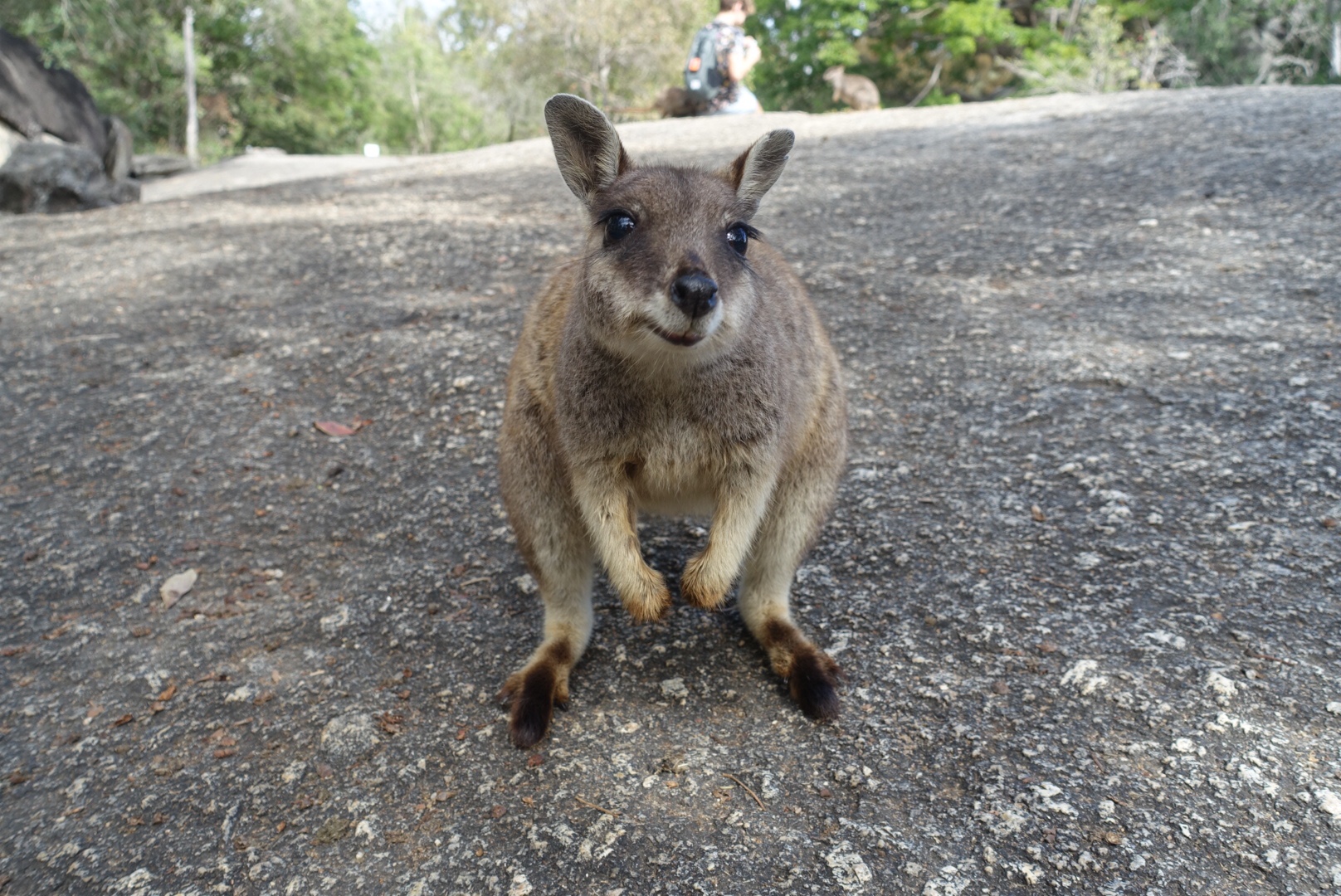
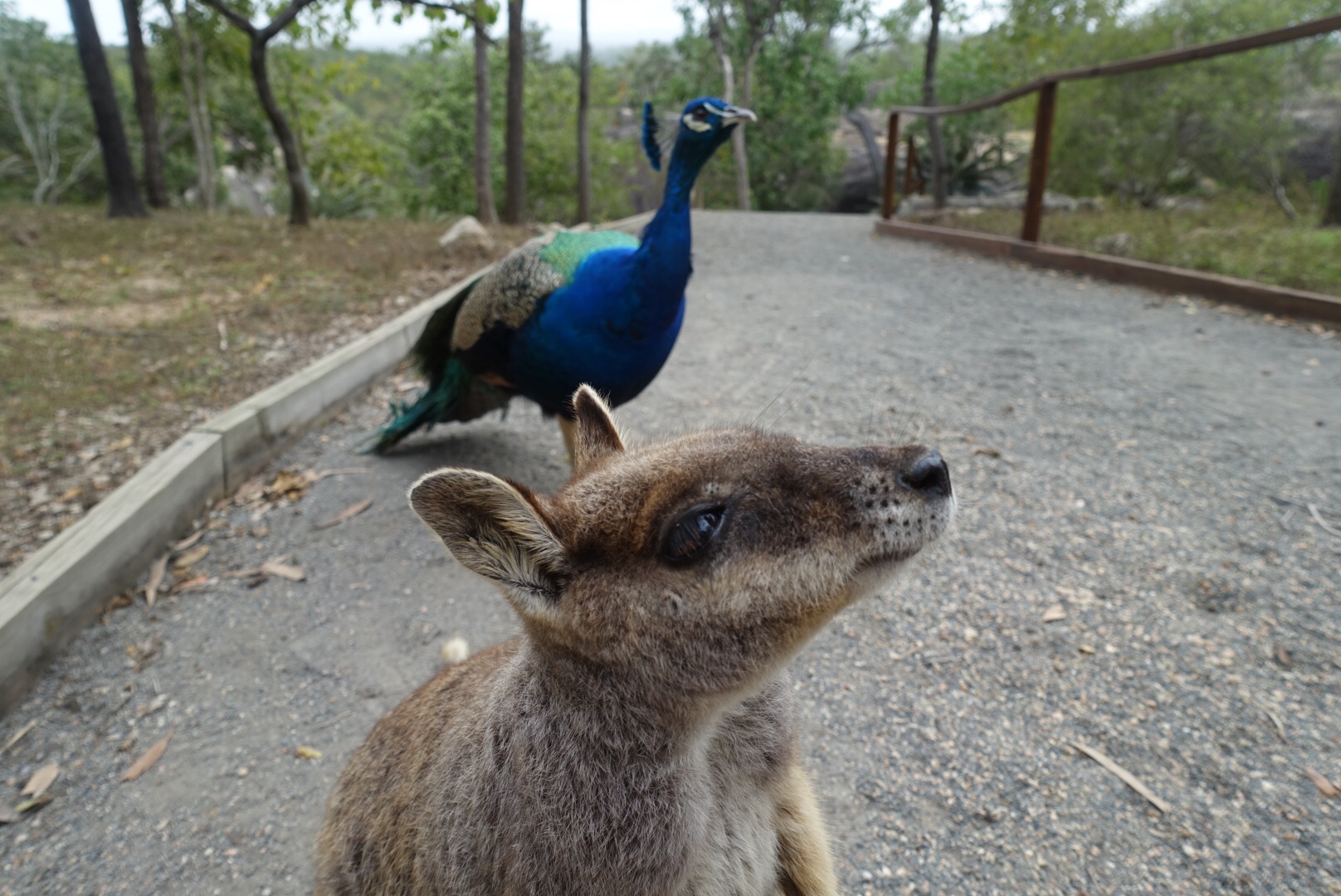
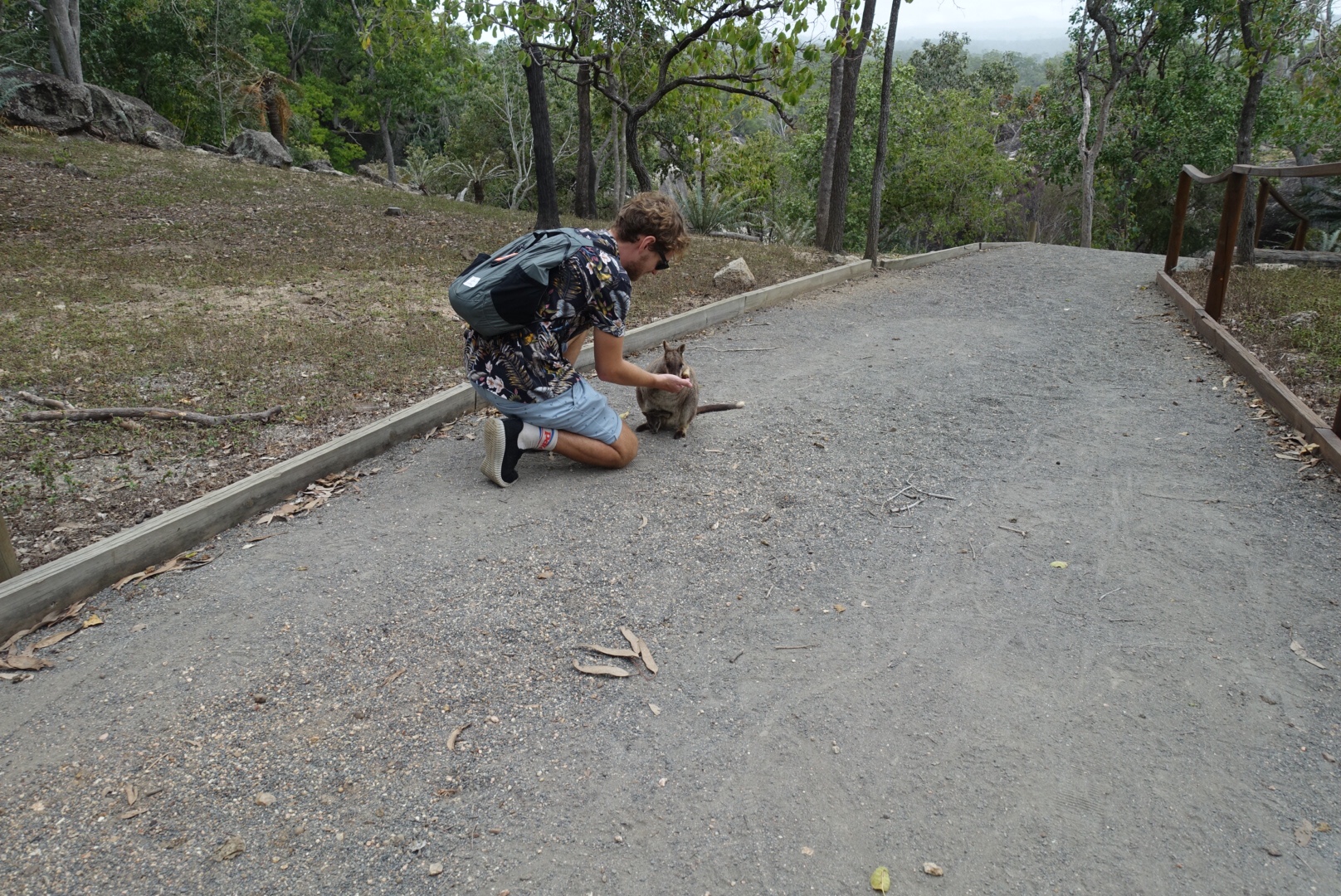
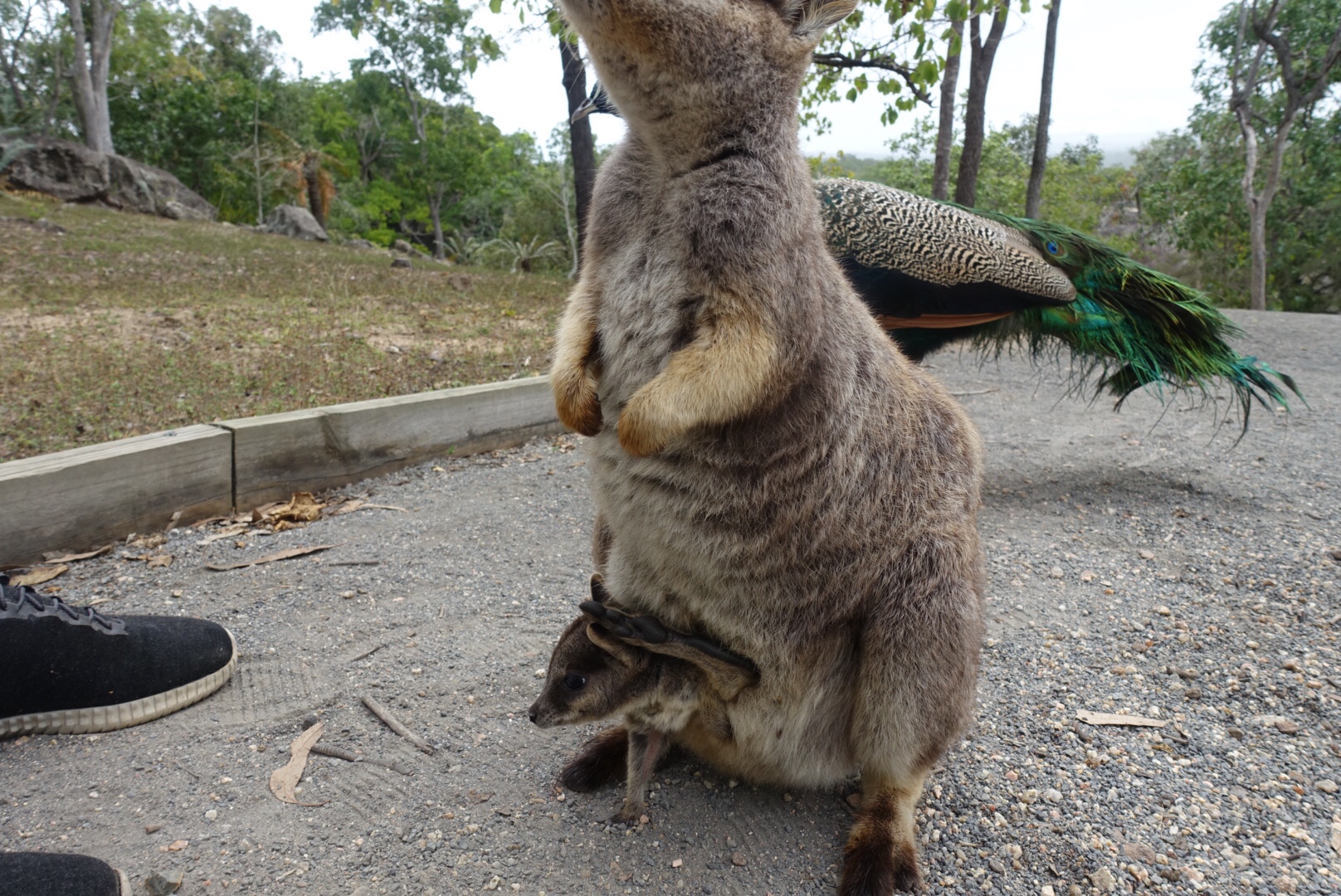
It was hard to pick our top 10 destination above, after our first month of camping. The ones I chose were often special due to the extraordinary wildlife. We regularly encountered “new” species. There’s something really magical about seeing an animal for the first time. Other things we really loved: Undarra National Park (which had amazing hiking routes), Granite Gorge (and its tame rock wallabies) and of course: Brisbane. Here we stayed with our new friends Jens and Johanna, where we prepared for the next chapter of our adventure: exploring the Northern Territory out of the back of a second hand 4WD.
Some more photo’s…
Camping setting 
Morning coffee 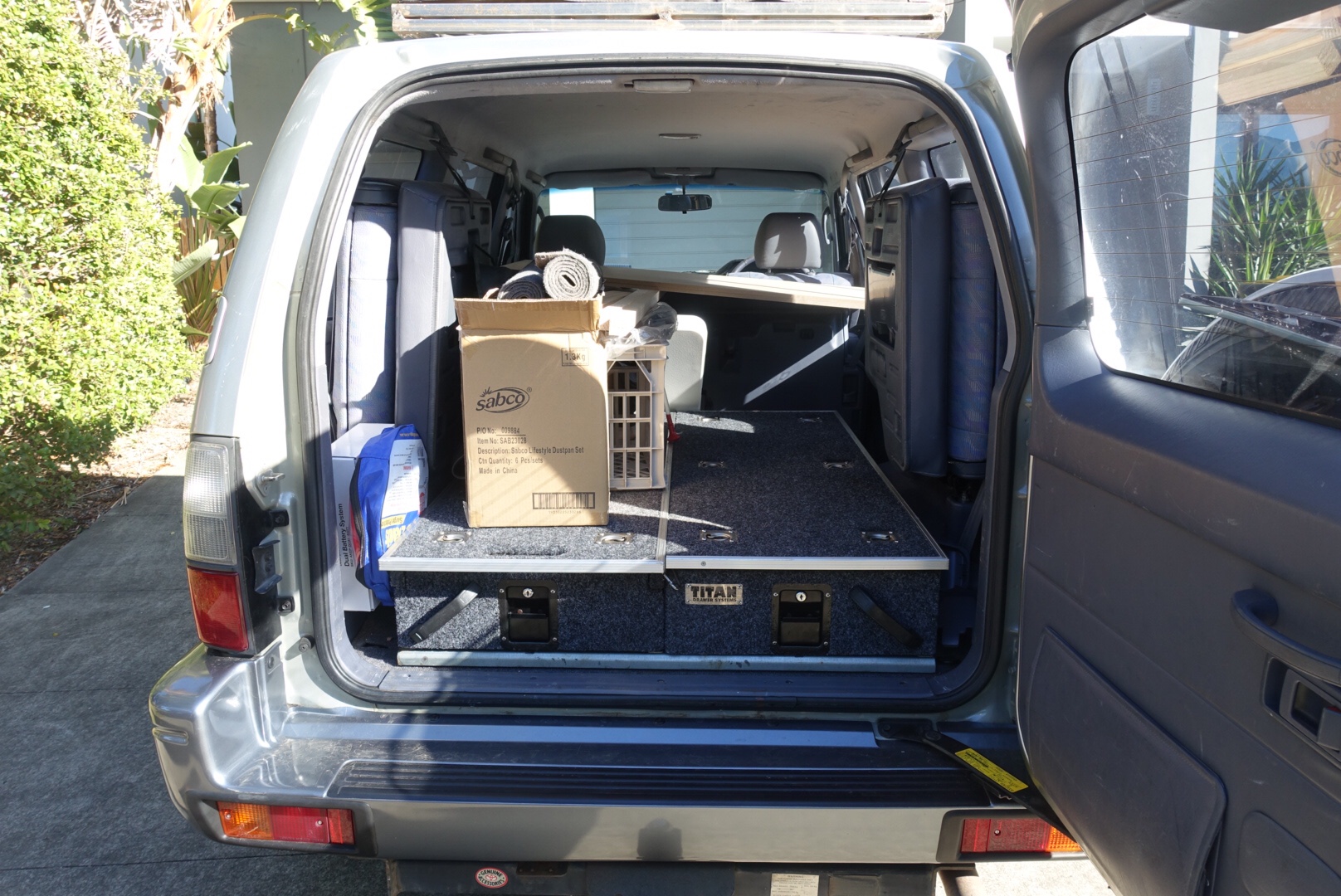
New car + drawers 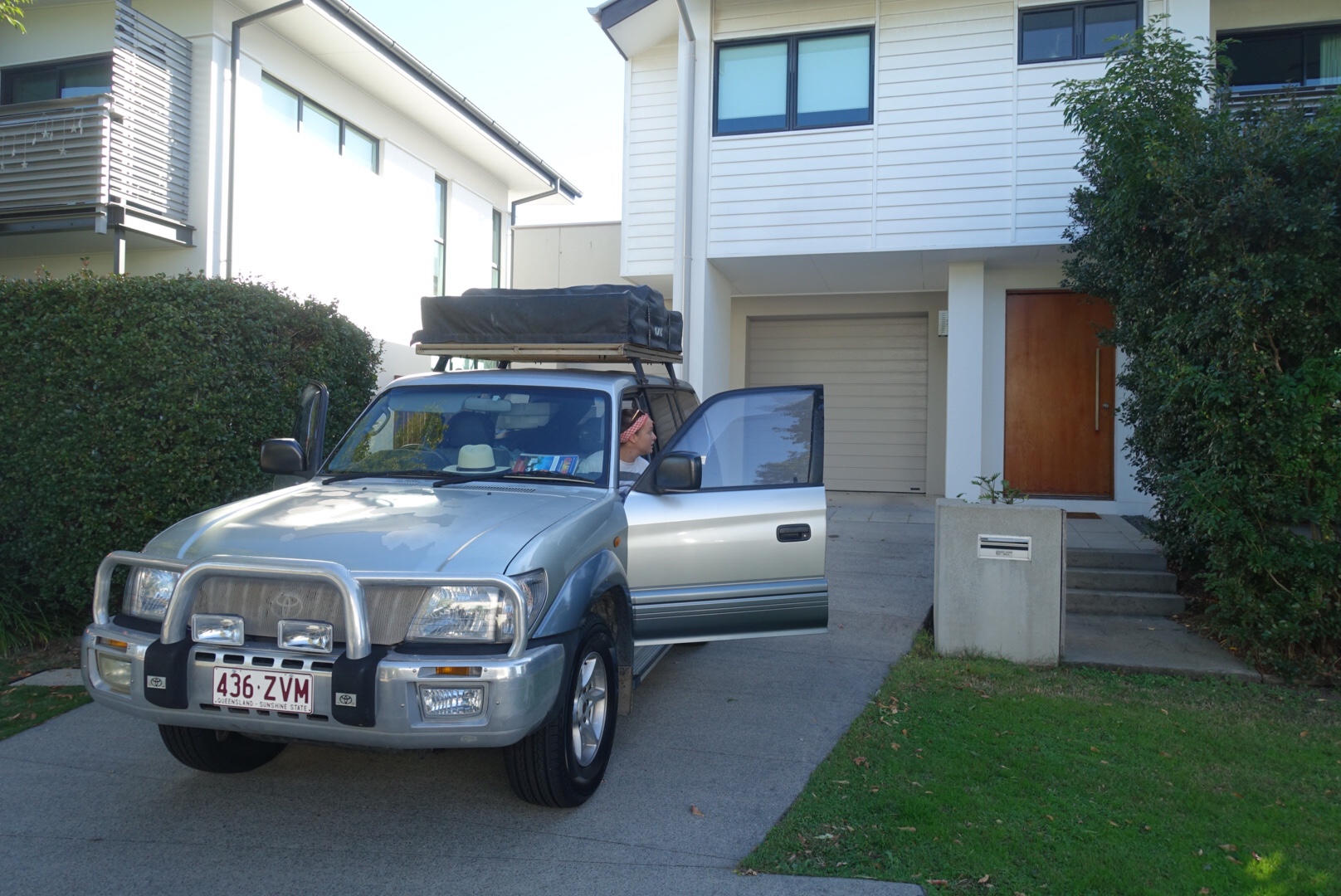
New car 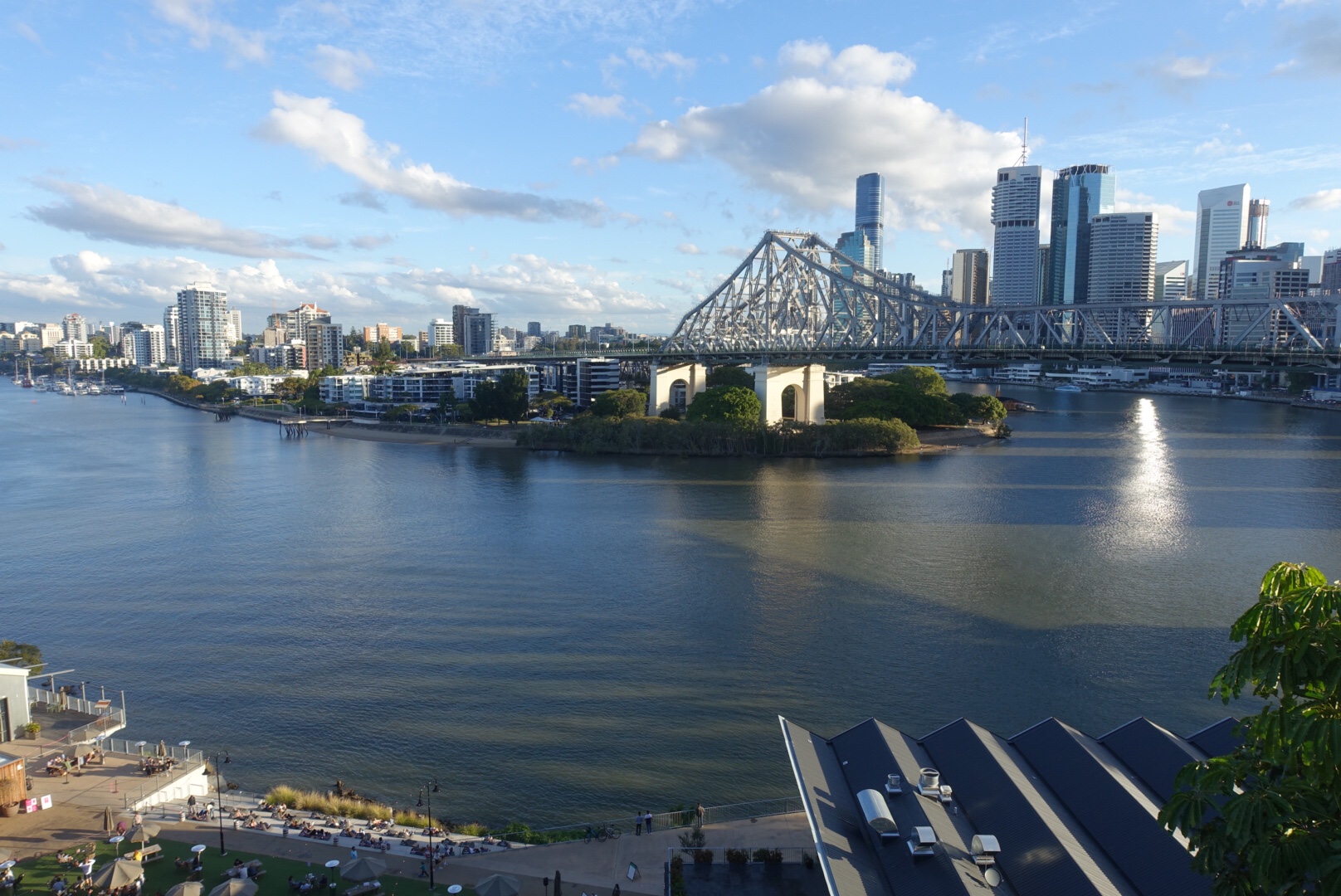
Brisbane 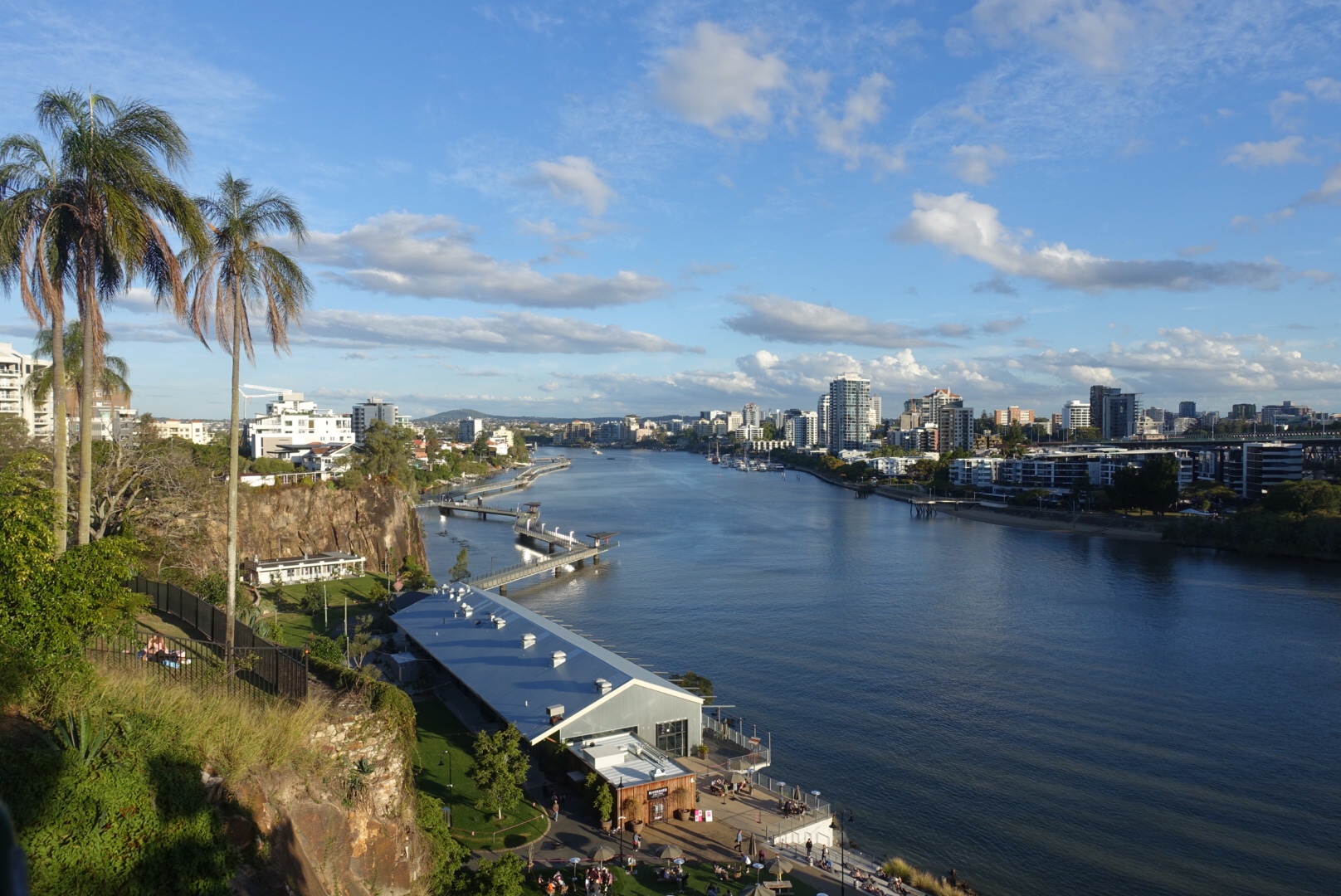
Brisbane 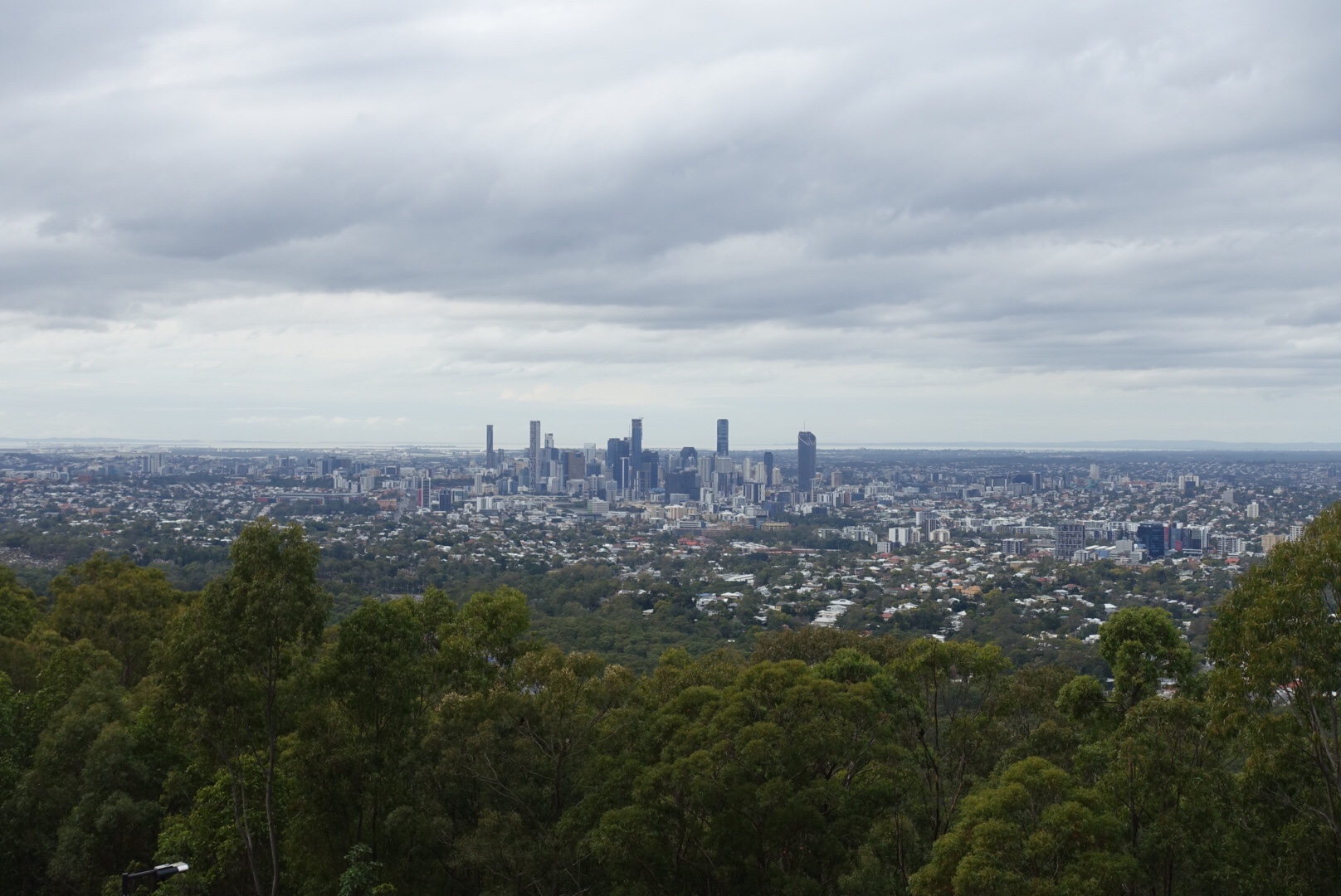
Brisbane 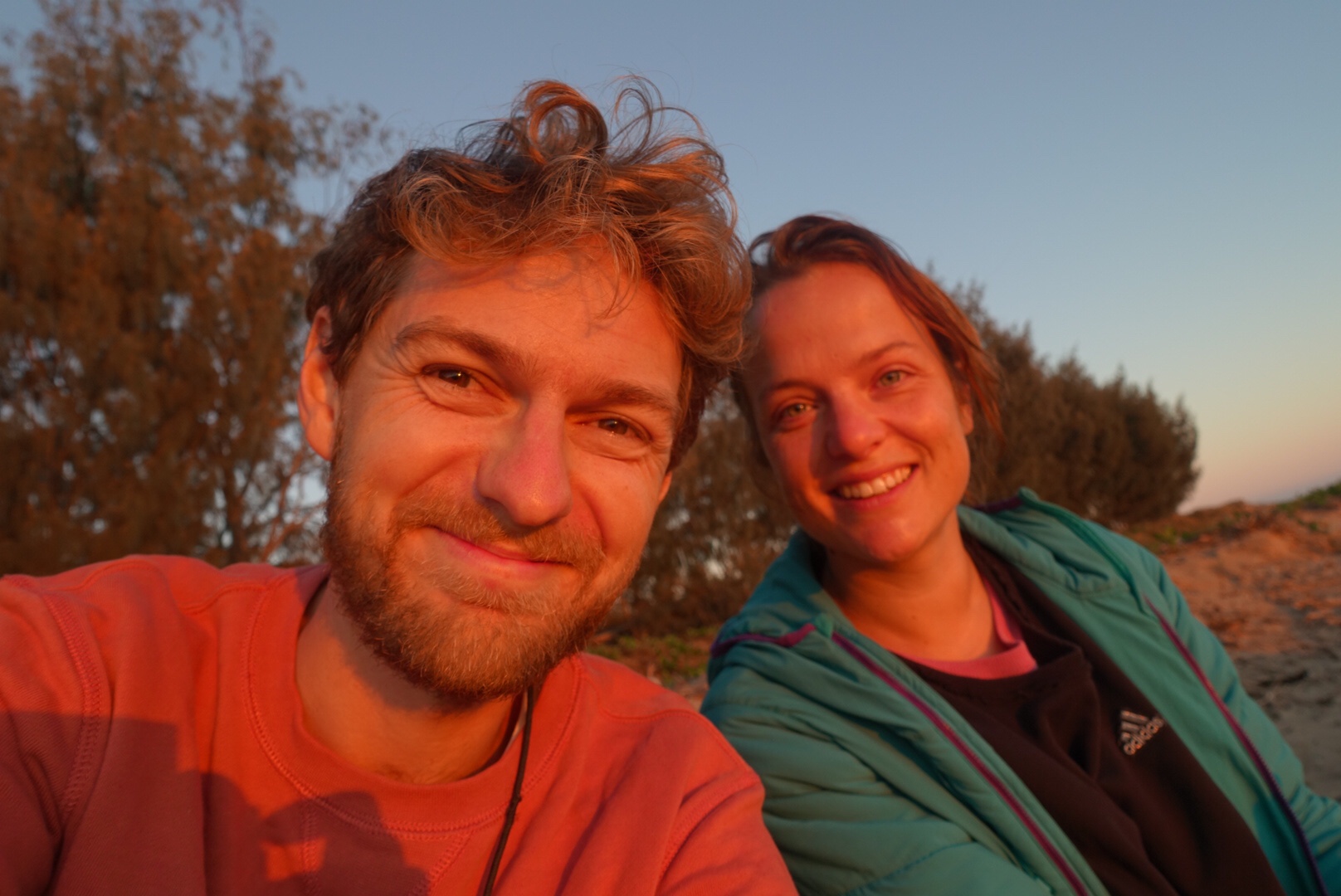
Catching the golden hour 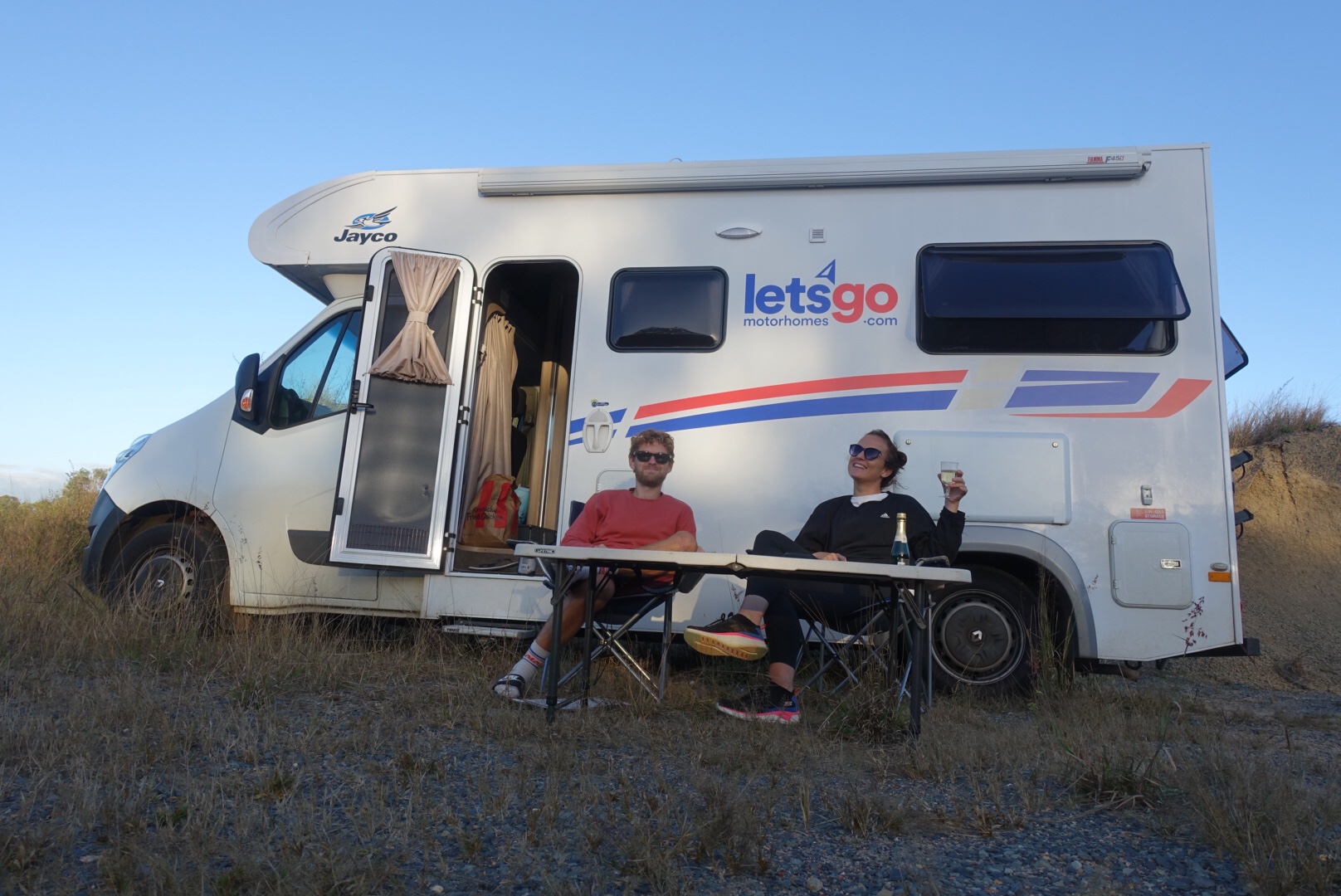
The main setting 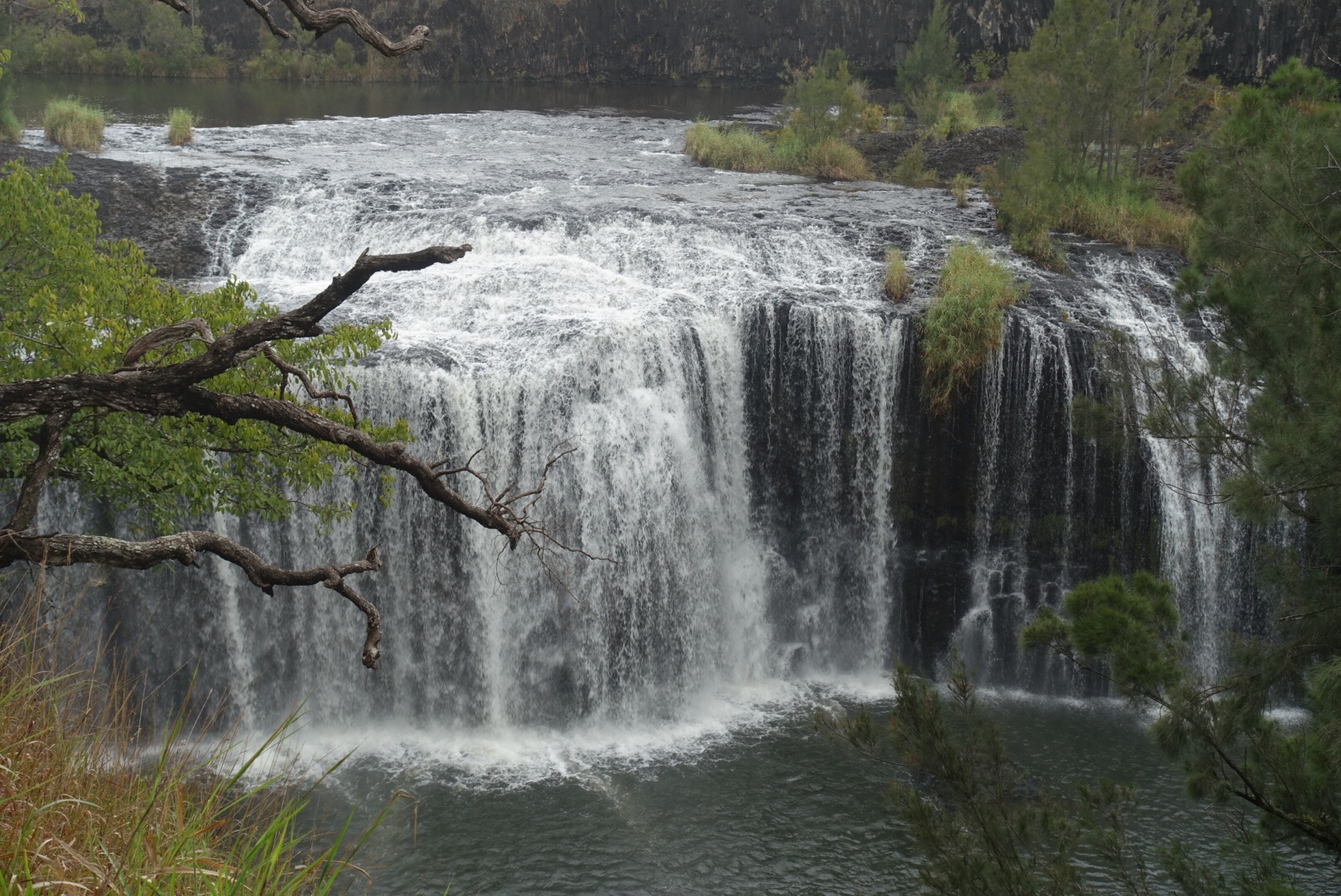
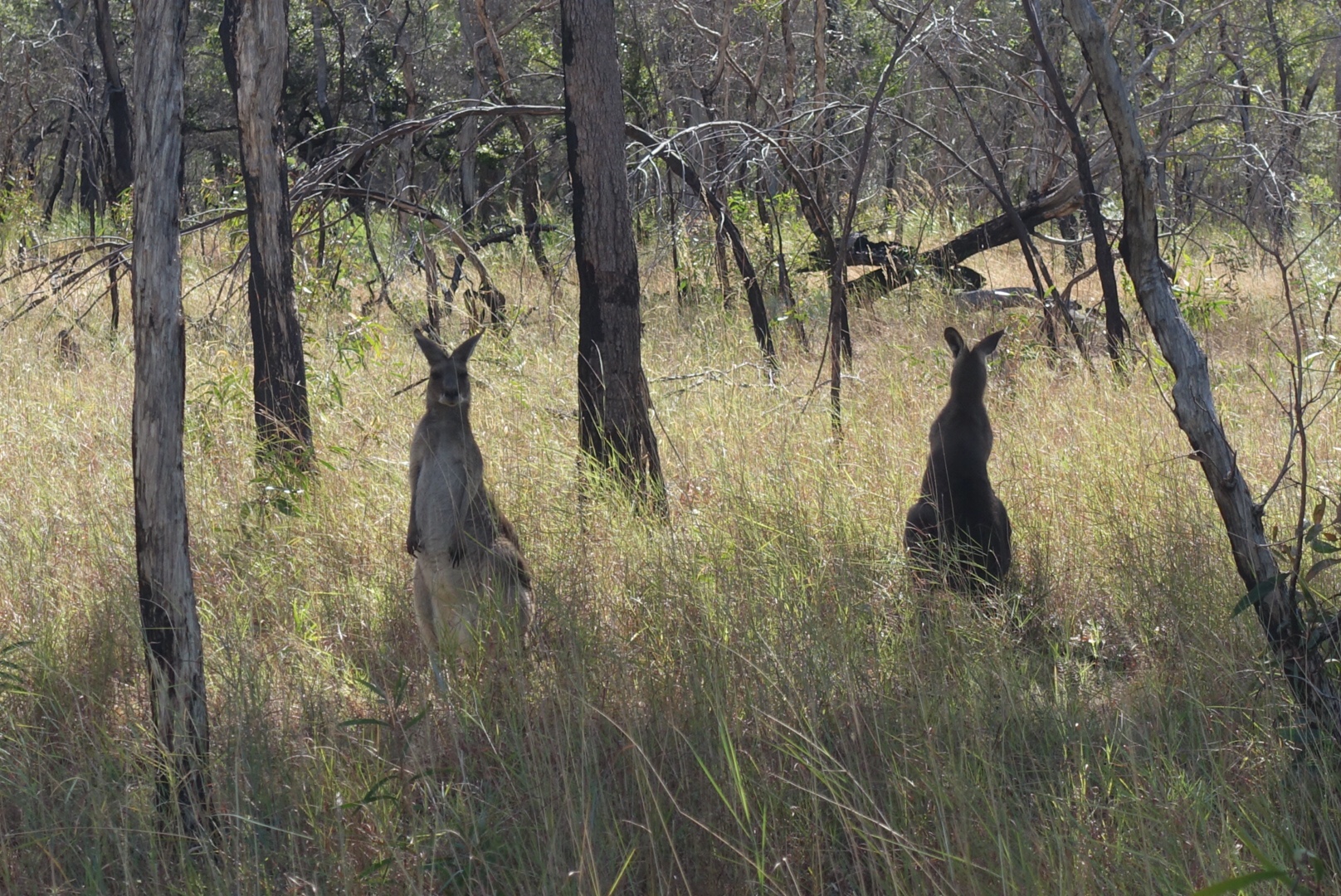
Townsville 
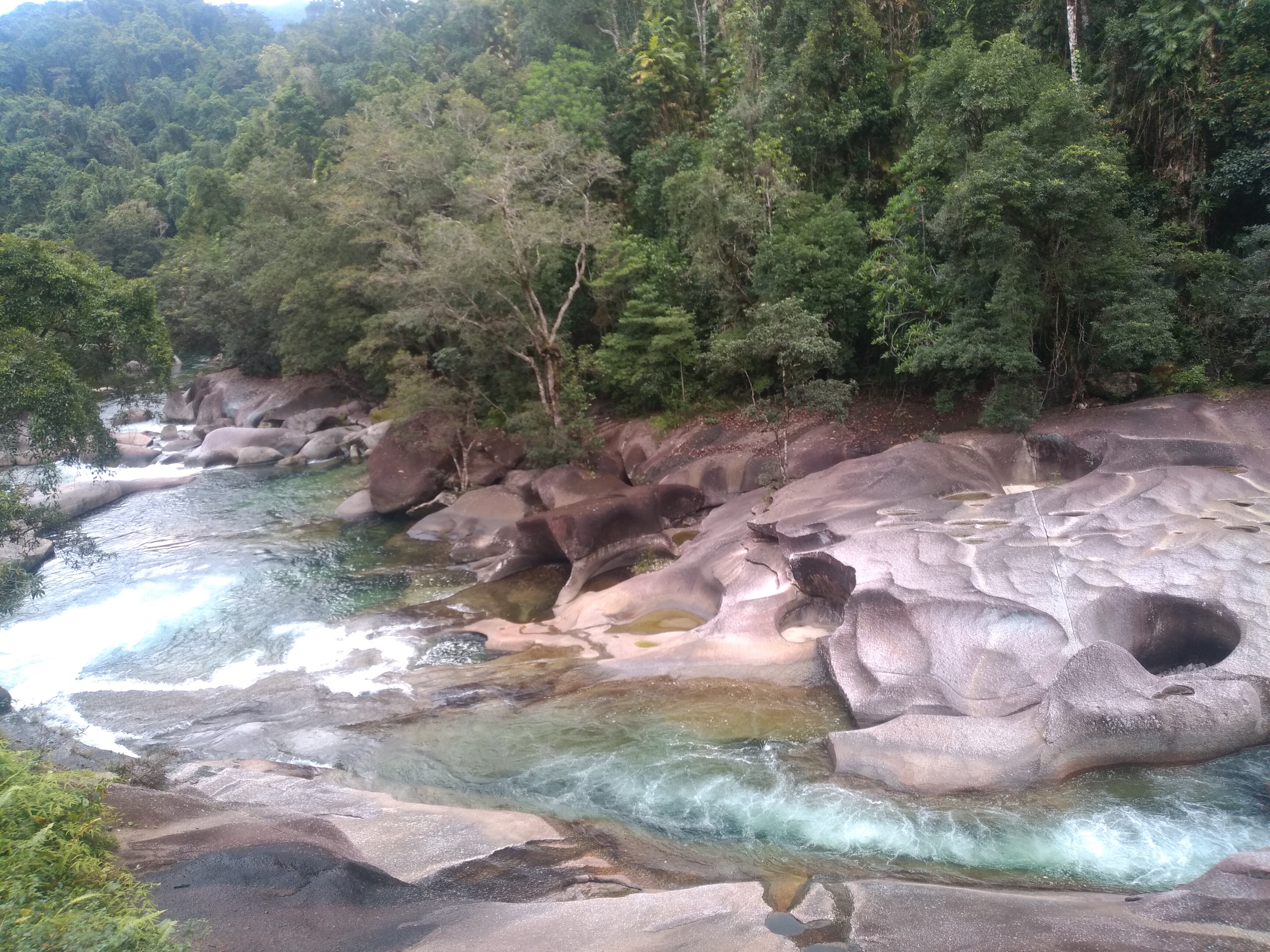
Josephine falls 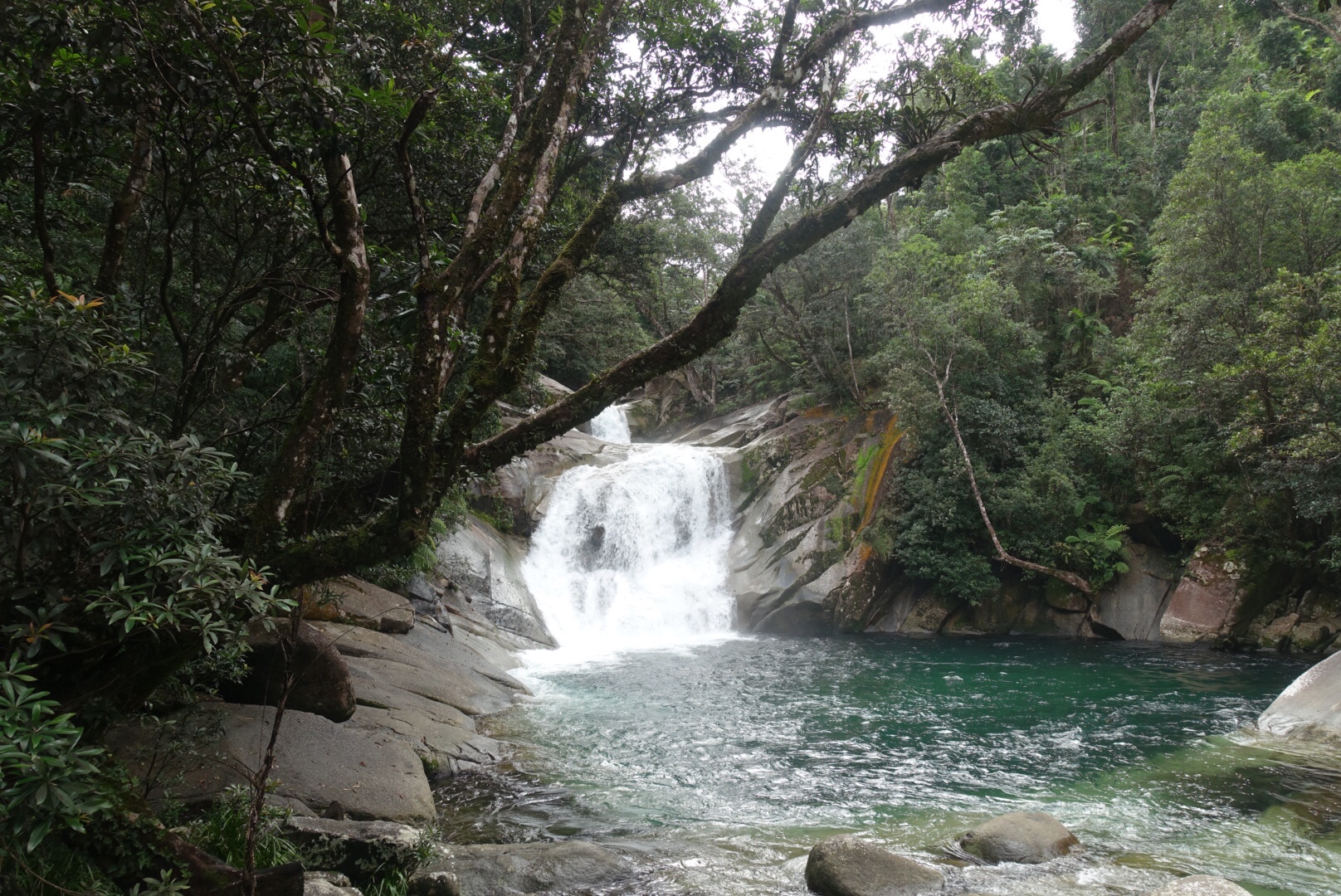
Some other falls 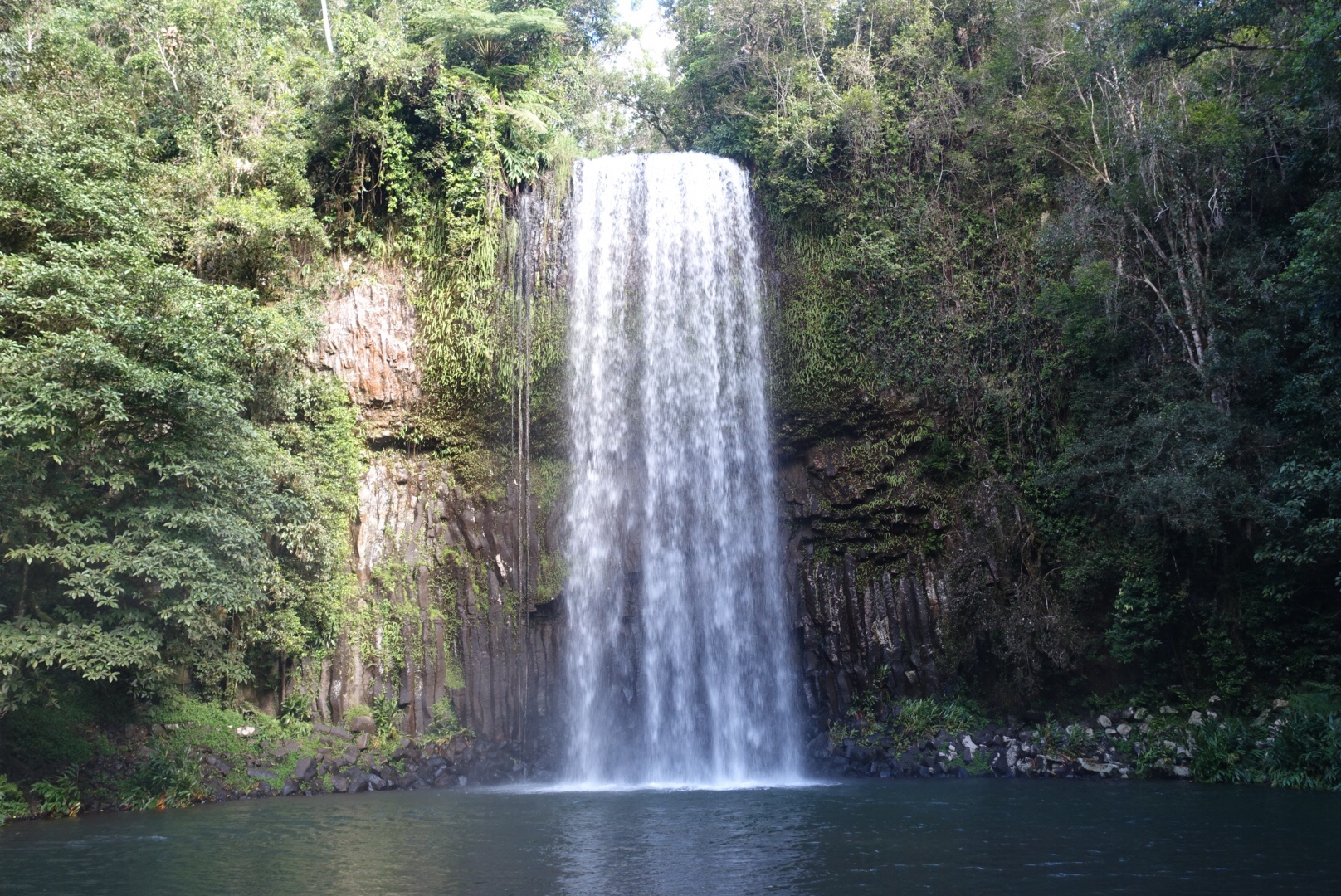
FAALLLLS 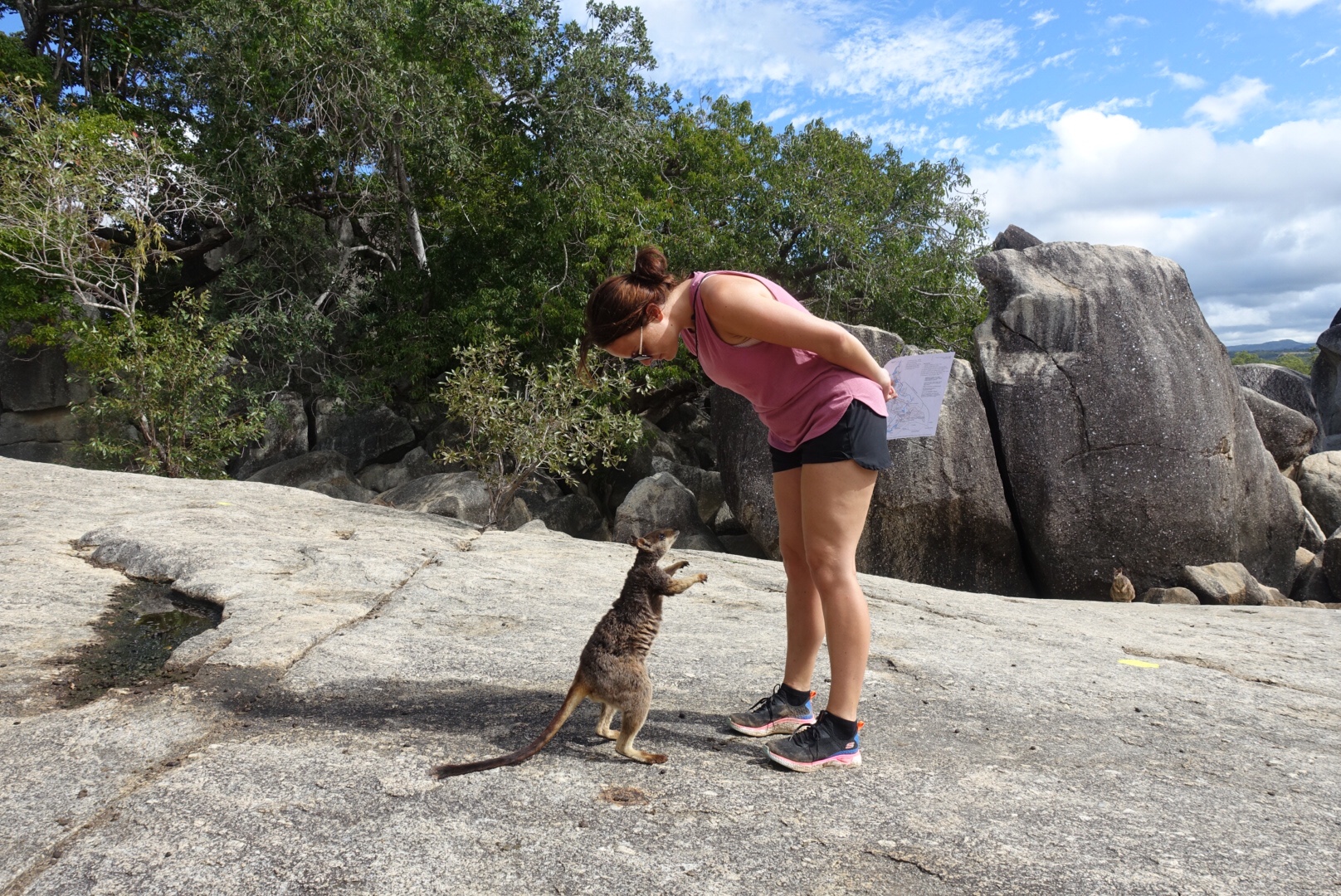
 Pete & Jo on the go