
As mentioned, we got invited to a wedding ceremony in Nepal. First, a bit of context. See pictures below.
Nepal has got 126 different ethnic groups, all of them with their own history and language. One of these groups are the Tamang. The wedding was to take place in a remote mountain village in the district of Kavre, called Kuduwal. A few hundred people live there, all from Tamang decent. Tamang people are originally from Mongolian/Tibetan descent, and now form 6.5% of the Nepali population. The Tamang people were once Maruni Shamanists, before they “turned” towards Buddhism somewhere around the 6th (?) century. Now they practice both – Buddhism by certain ceremonies and living and speaking with love, respect and honesty, and Maruni Shamanists by worshipping nature and by practicing certain ceremonies in order to receive blessings from ancestors “supernaturally”. In Maruni Shamanism, these ceremonies are led by ‘Gurus’, who repeatedly recite mantras passed on through many generations. The “main” Guru, knows the most important mantras and is a very respected man in the community who shows his link to the spirit world in specific ceremonies that get organised every few years, in which a household can receive an extraordinary blessing from the other side… As Pete and I delve deeper in this subject in the near future, we will hopefully share more about these extraordinary abilities. First more about the wedding.
The wedding was of the 30 year old daughter of the previously mentioned Guru. We got invited by the older brother of the bride, who we initially sat down with to learn more about Maruni Shamanism. He became a friend, and offered us a walnut as a symbolical gesture of the invitation. After having spent a few days in the home of Jwala, his cousin-brother, we set off by jeep to the unknown – we were briefly told what to expect but it was hard for us to visualise it. We got crammed in a nice private jeep (travelling Nepali style), and while I dozed off on my motion sickness tablets, Pete’s imagination was running wild (see Pete’s blog below). After a bumpy 5 hour ride, we reached Kuduwal. A few hundred people live in Kuduwal, a village consisting of several stone houses all surrounded by roaming buffalos, goats and chickens, scattered over a piece fo the mountain. The house of the brides’ parents gives a breathtaking view of the river valley that lies below with a background of some majestic Himalayan mountain ranges with snowy peaks. We pitched a few tents on their land, in which we slept for the nights to come. Every day rewarded with a magical view. The houses in the village are very basic. There is little to no furniture, other than a few woven mats, wooden beds and no showers. There is limited supply of water as the village’s water tank needs to be filled up manually. We didn’t experience any shortage of water, though.
After pitching the tents, the first part of the ceremony began. The uncles and the father of the bride got sat down in a semi-circle, and were giving a ‘khada’, a shawl that’s symbolic for a special greeting and blessing and placed around the neck. Pete and I were sat down with the uncles, and were also welcomed with a khada – we were treated as guests of honour. The other guests were family, friends and neighbours of the bride. Meanwhile, the groom and his entourage were still at their own village, festively getting ready for the musical march towards the house of the Guru – the bride’s father – and preparing to earn the love and respect of his future wife. This is done with an exchange of khadas, jewellery, and undergoing a very special type of punishment, as we learned later…
For context, a little description of the wedding venue. It can only be compared to the most beautifully weird festival I’ve ever been to. There were several areas. First, the dance floor. It’s outside of the main house, where a loud sound system was placed. This sound system is owned by the entire community and travels from party to party. The dance floor was mostly packed with young villagers (around the age of 15, I guessed), with the exception of a few uncles and other elderly. The dance floor is a great way to meet future wives and husbands, as this is the place where the entourage of the bride and groom meet and challenge each other to dance. Visitors get fuelled up with alcohol inside the main house. On the ground floor is the chill-out area. People sit on the floor around a fire on which food is being heated up. People kept giving up their seats for us – something we urged them not to do, but it seemed unthinkable for foreigners to have to stand up. Upstairs in the house was the bar. This was home to many gallons of ‘Rhaksi’, a tasty locally produced, fresh and purely organic alcoholic brew. This was served in aluminium bowls and poured from a plastic jerrycan, which I liked. Next to the bar was the bridal suite. A closed room where the bride and her close friends sat. And did nothing. All night. Yes, as it turns out, a Tamang wedding ceremony is not a party for the beloved wedding couple. Which brings me to one of my favourite area’s – the waiting room. In the waiting room, the groom sits. And waits. For the entire night, until the next morning. He is not allowed to sleep, or party. He must prove his loyalty to the bride’s family. It’s also the place where people can sit and eat. It also turned out a good hiding place from the dance floor and over-excited and drunk villagers.
From the first ceremony on until a few days later, we drank Rhaksi and we ate. The family hired a famous caterer from Kathmandu to provide the food. They frequently served aluminium plates stacked with pickled vegetables (a beans, cauliflower and pea-mix), oil fried bread (I can only compare it with a Dutch ‘oliebol’) and strongly spiced buffalo or goat meat (including the skin and bones…). Occasionally they added rice or prawn crackers (kroepoek) to the mix. We also drank ‘Chan or Chang’, a type of sour homemade beer (very tasty) from aluminium bowls. When I saw a few loose-hipped uncles rocking the dance floor, I made the mistake (?) to join in, ‘Bollywood-style’. From that moment on, I was continuously dragged on the dance floor by women and drunk uncles telling me to ‘shou shou’ (I guess that means dance…). Hardly anyone spoke English and everyone seemed to be very surprised to see foreign faces – as soon as the villagers got over their shyness, they asked us for selfies, and secret filmed us dancing in the same way our own drunk aunts and uncles do at wedding ceremonies back home, including the awkward twisting our wrists rhythmically as if we were placing lightbulbs in ceilings, in our attempts to make us look a bit more exotic than we actually are. It worked – in broken Nepali I figured out I was the best dancer this village had ever seen… Or they might have hinted at me dancing like I’m a train. Who knows?
The hosts and guests at the party were truly amazing – they appreciated us being there and went out of their way to make us feel welcome. At a Dutch or English wedding, it would be very different to show up as a stranger at someones wedding. You would certainly feel a bit isolated and maybe guilty for your presence at such a personal event. We shook off that feeling quickly. As the wedding night and following days progressed, we slowly started to break the language barrier and learned that we were now seen as part of the family. We both felt we were exactly in the right place, in the right time. We learned that the villagers do not know luxury, and only know ‘the outside world’ through stories of their successful family members who moved to Kathmandu for a better life. Many of who claim they will move back to the village in the future. I understand why – it’s a simple life with such little stress or worry, and with so much love and respect for each other. We will definitely be back, and hope to share this experience by taking some friends with us next time.
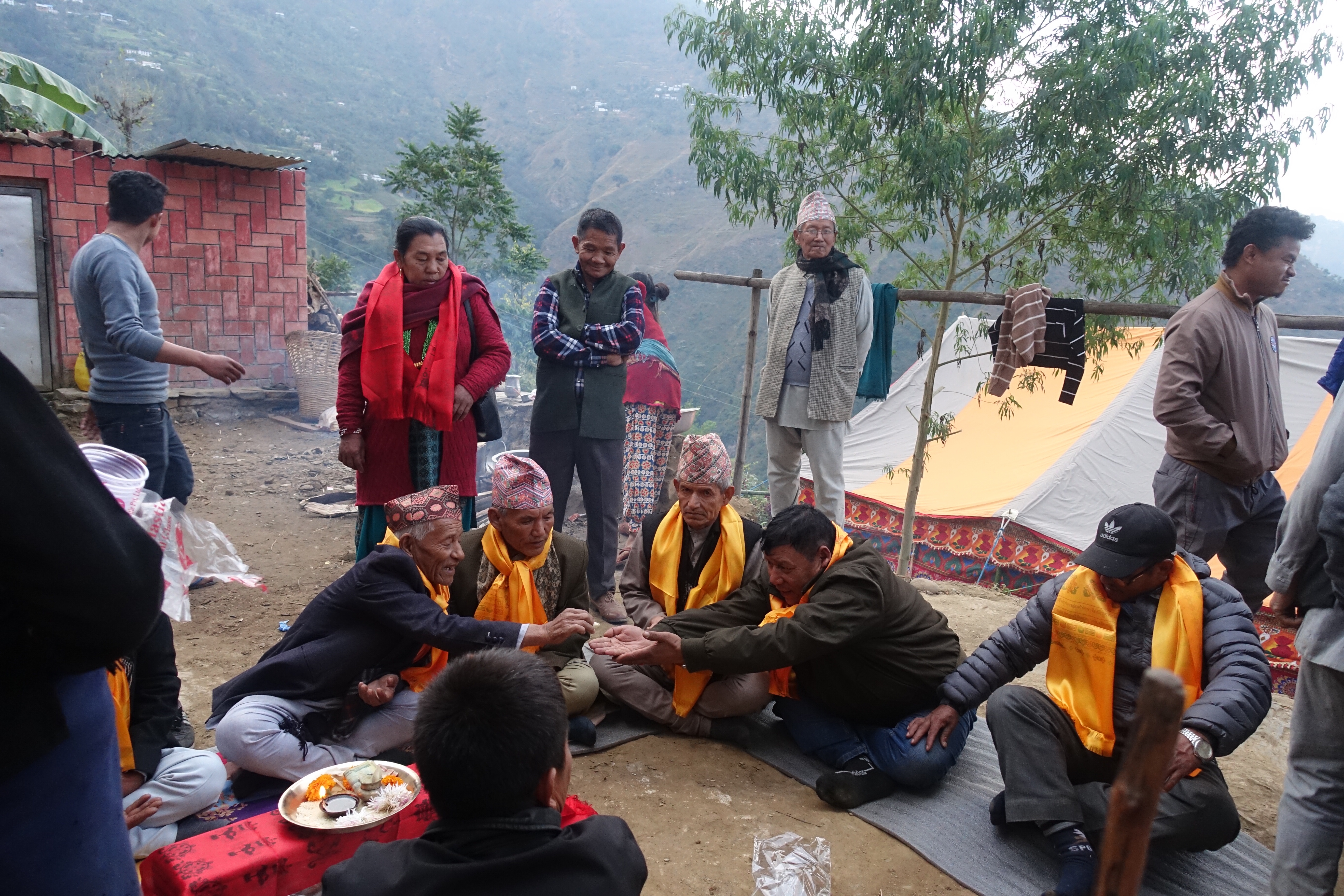
During the first moments of the ceremony, the uncles of the bride are greeted and thanked by her father. They (and we) got given a Khata (scarf) as a blessing and welcome gift. Only friends and family of the bride were at the party at this time. 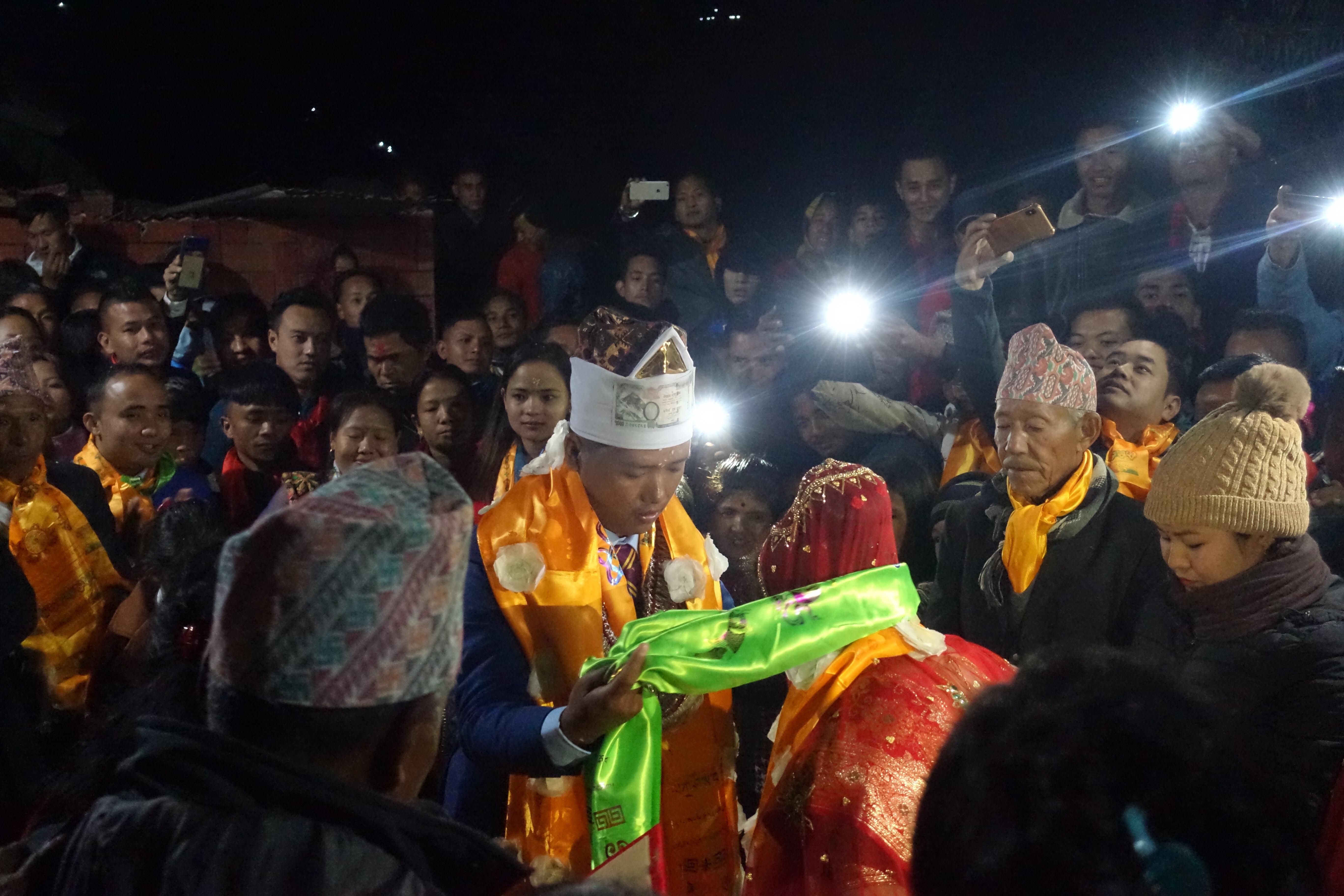
A few hours after the party started, the groom and his entourage walked in, announced by loud percussion. The groom had to wait for the bride to come out and hand her gifts. Shortly after, the bride went back inside and the groom had to wait in a party tent outside. 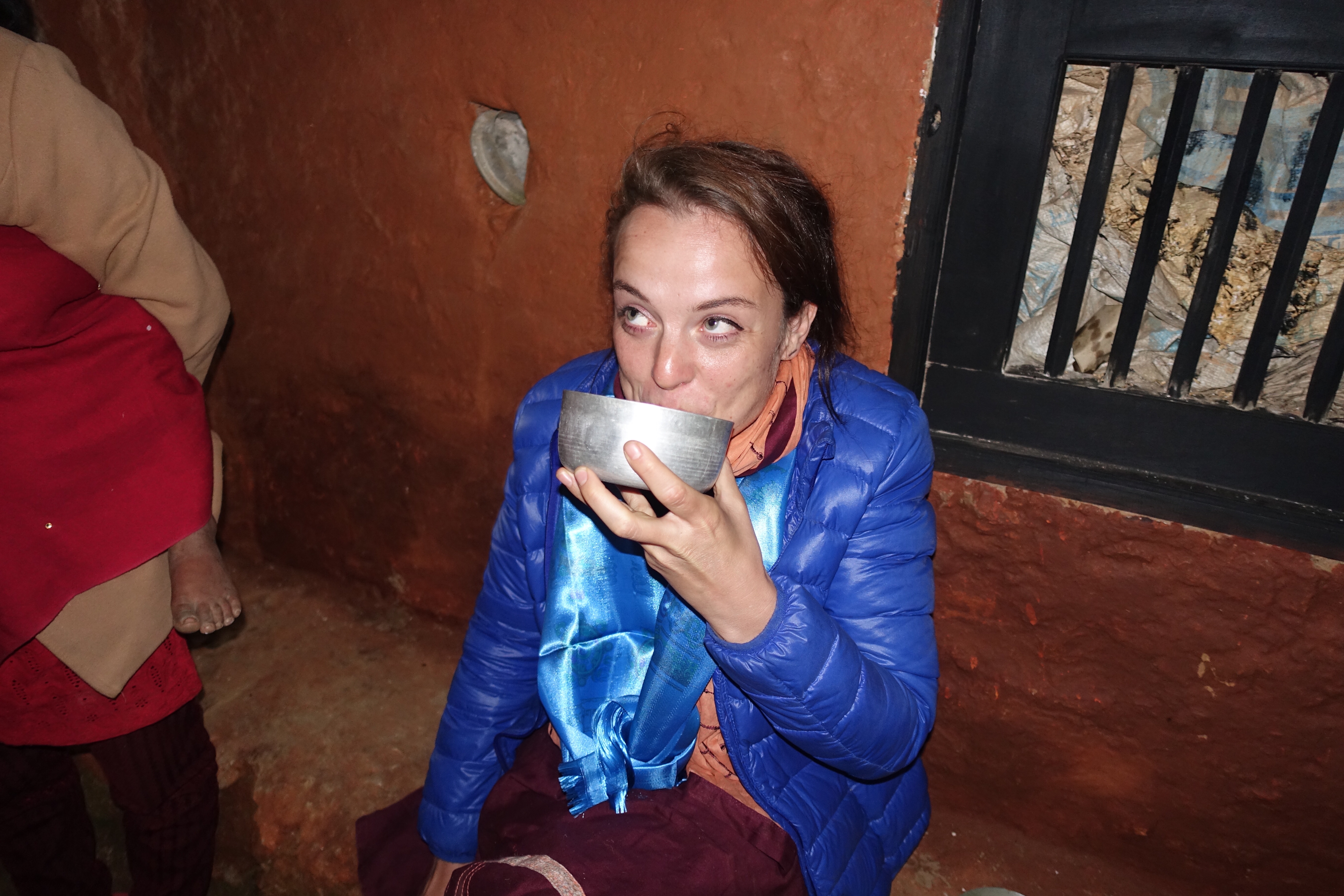
Meanwhile, we were fed Chang and Rhaksi. They kept pouring it in huge bowls. There was no escaping it. 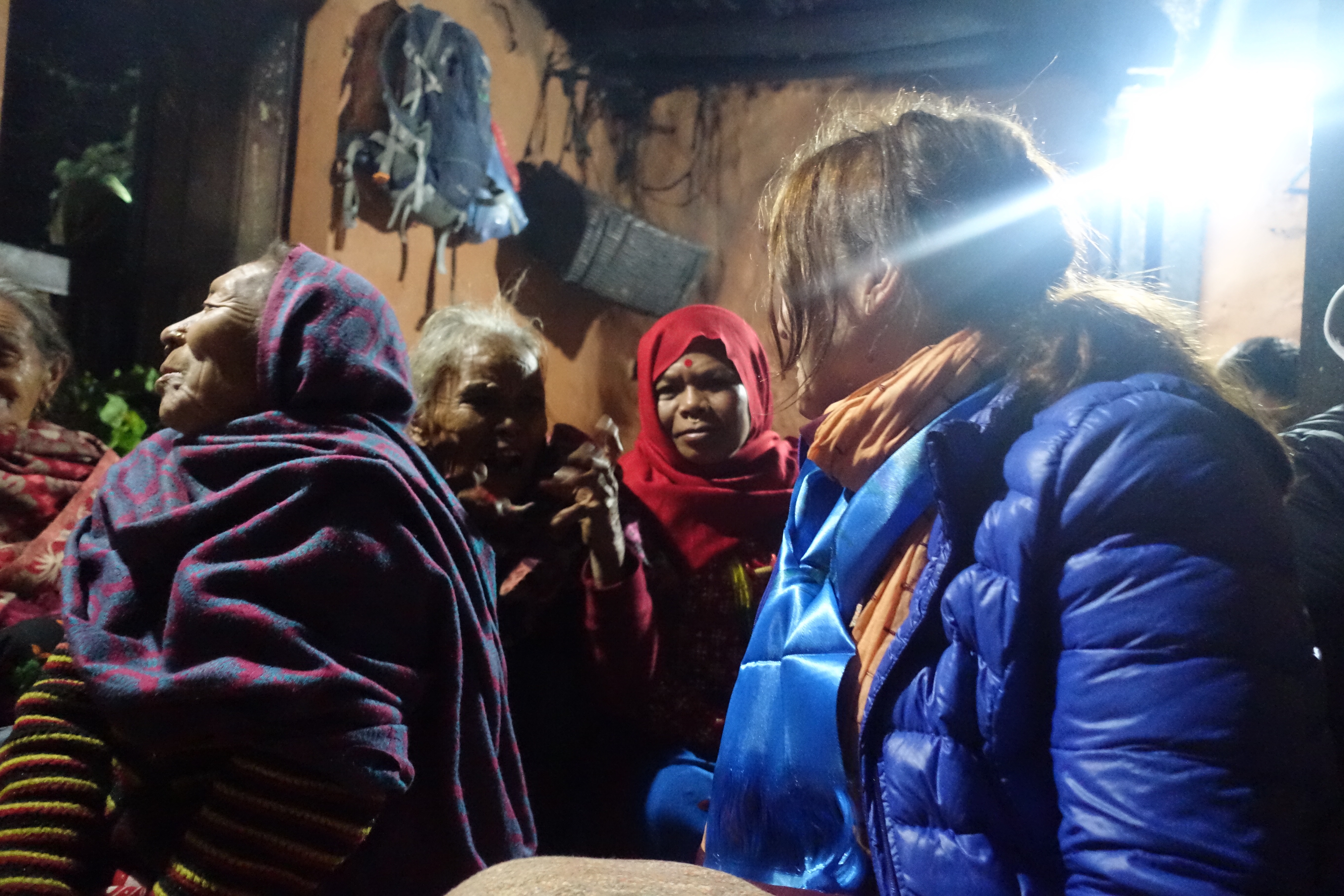
The ladies at the party had to know if we were married, or not. If not, they had a few sons to hook me up with. It took me a few hours to understand what they meant, because they only spoke Tamang. 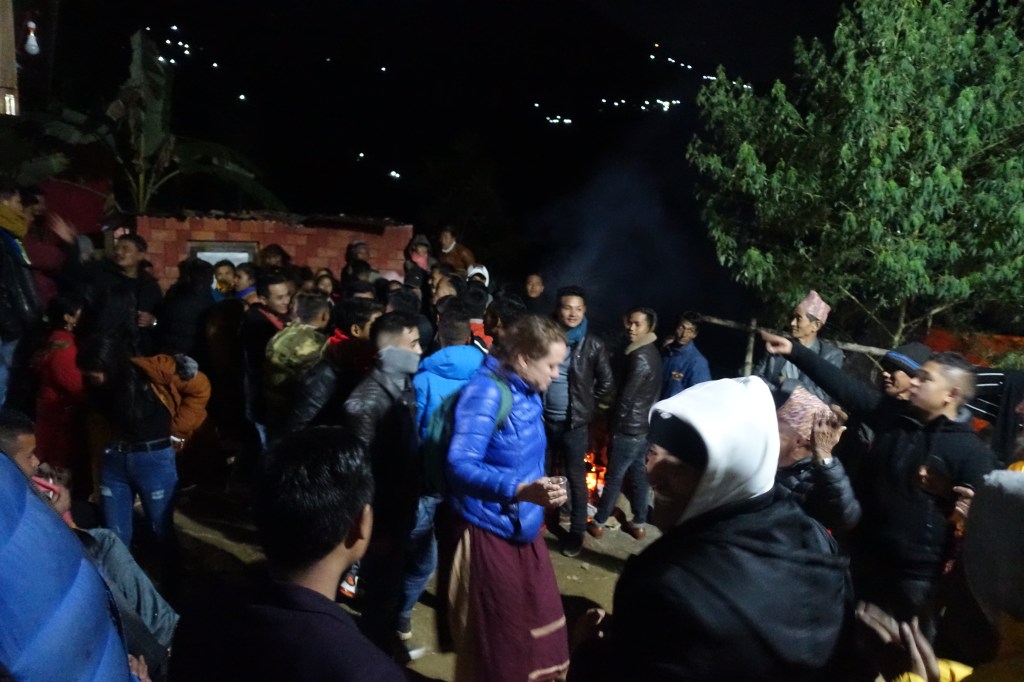
The party was on. 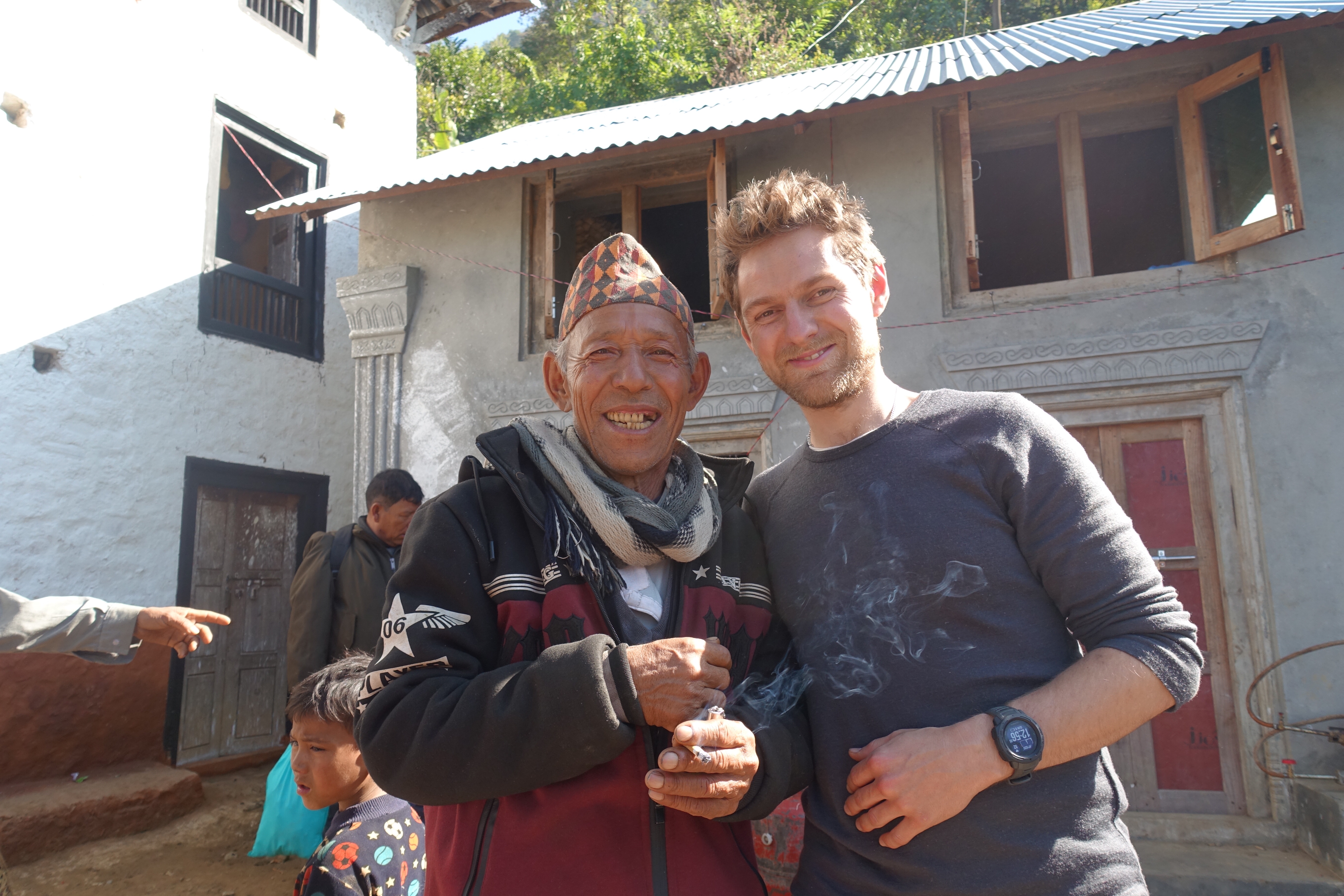
One of the brides’ uncles. Awesome guy! 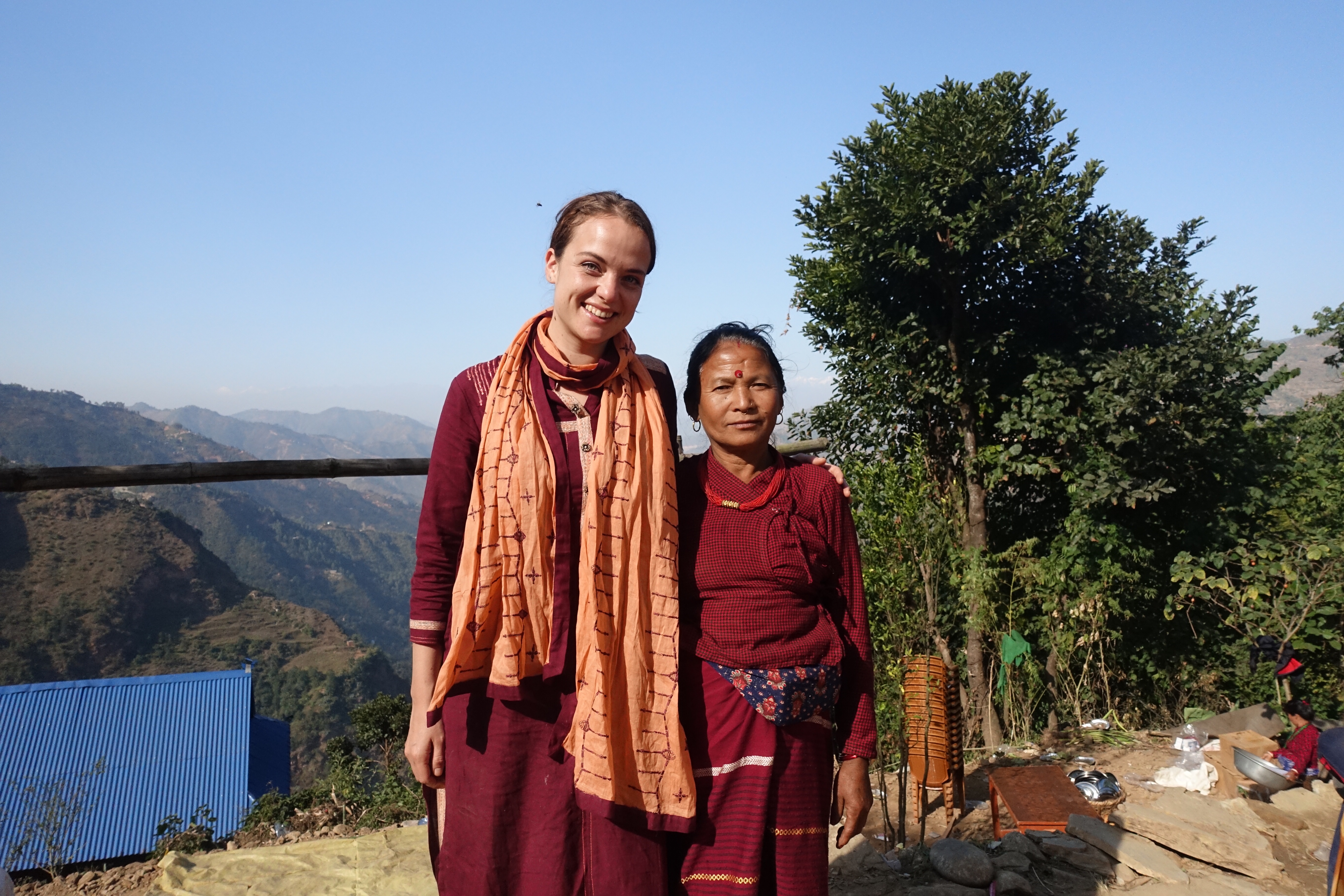
This hilarious woman was insisting we remembered her name. It was something like ‘Machine whocashin’. 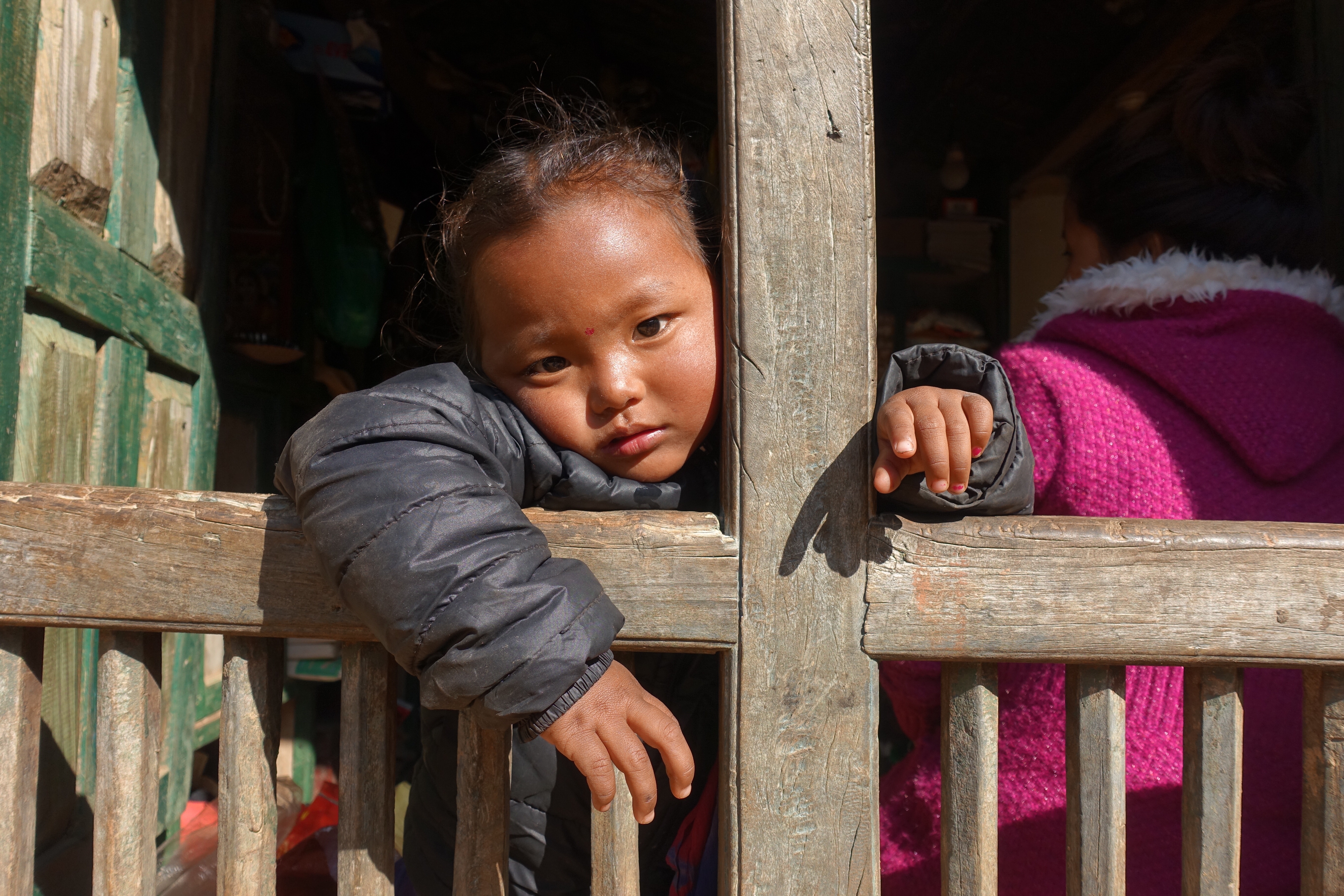
A curious girl who was hanging around us when we found a quiet place to relax. 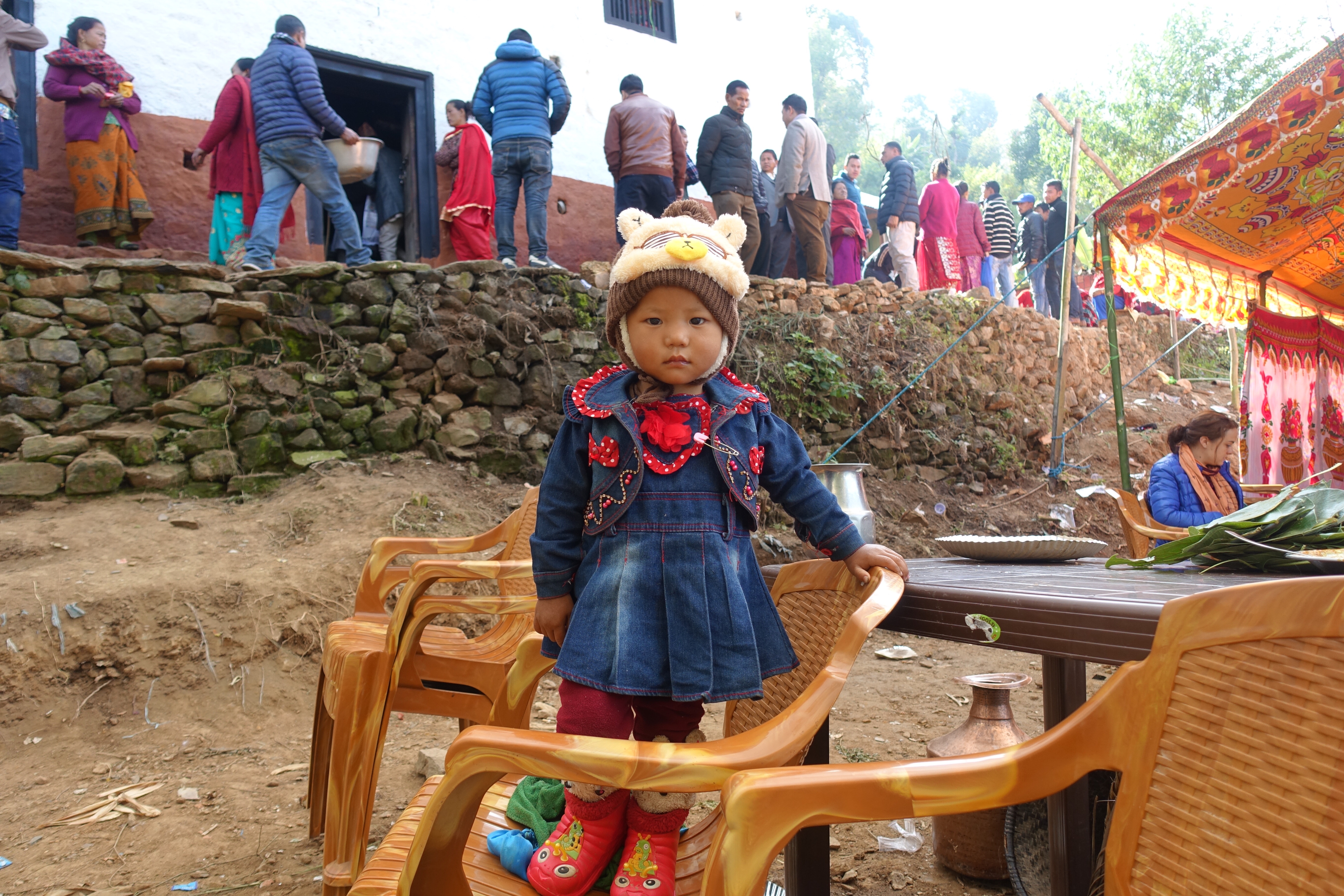
Girl at the wedding. 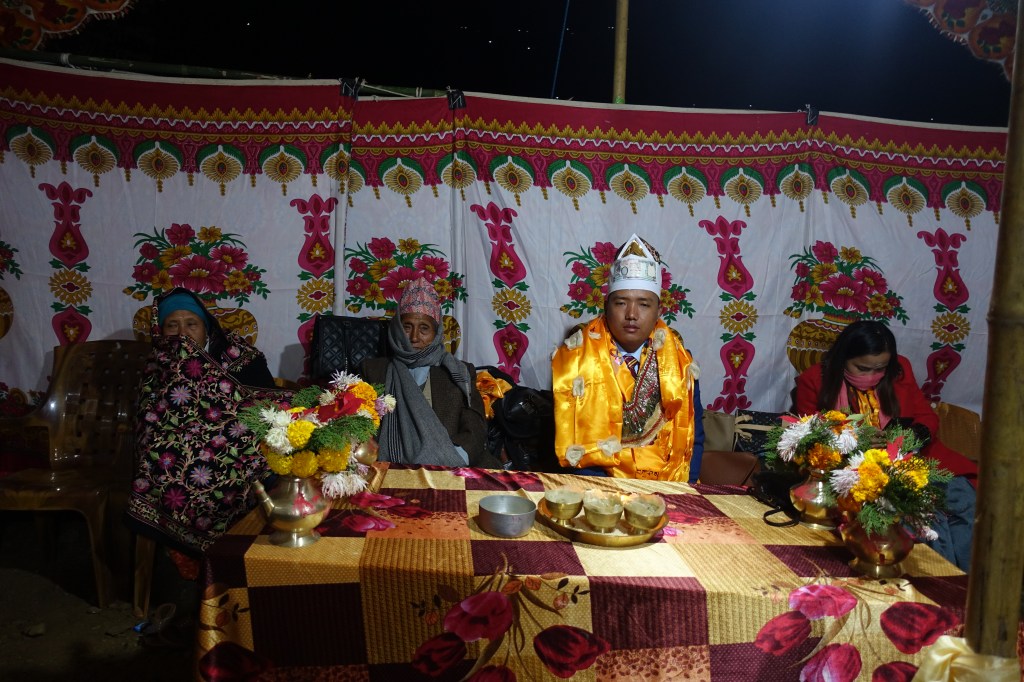
The groom and his family in the waiting area. 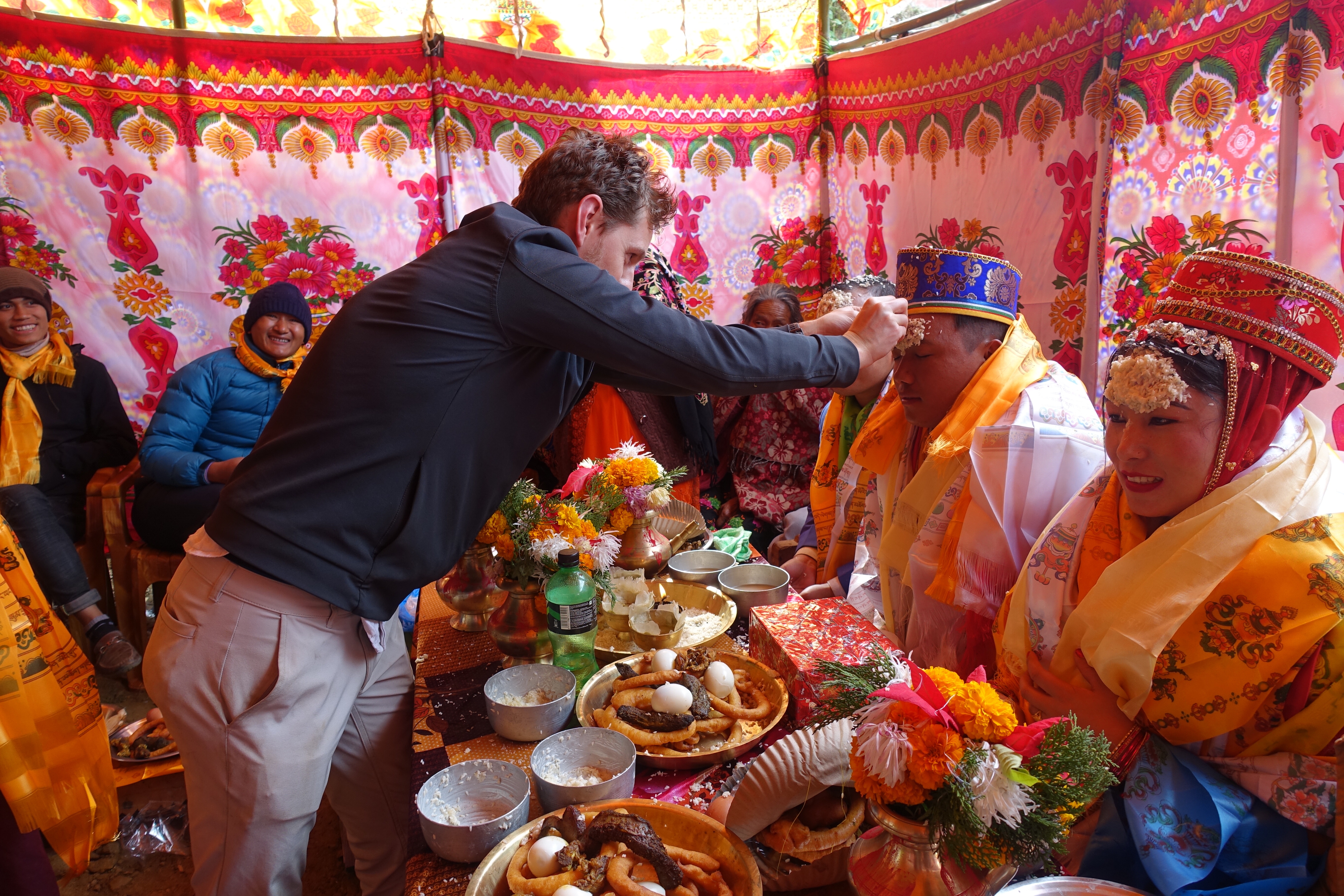
The day after the wedding. Pete giving a blessing in the shape of sticking wet rice on the forehead of the newlyweds. 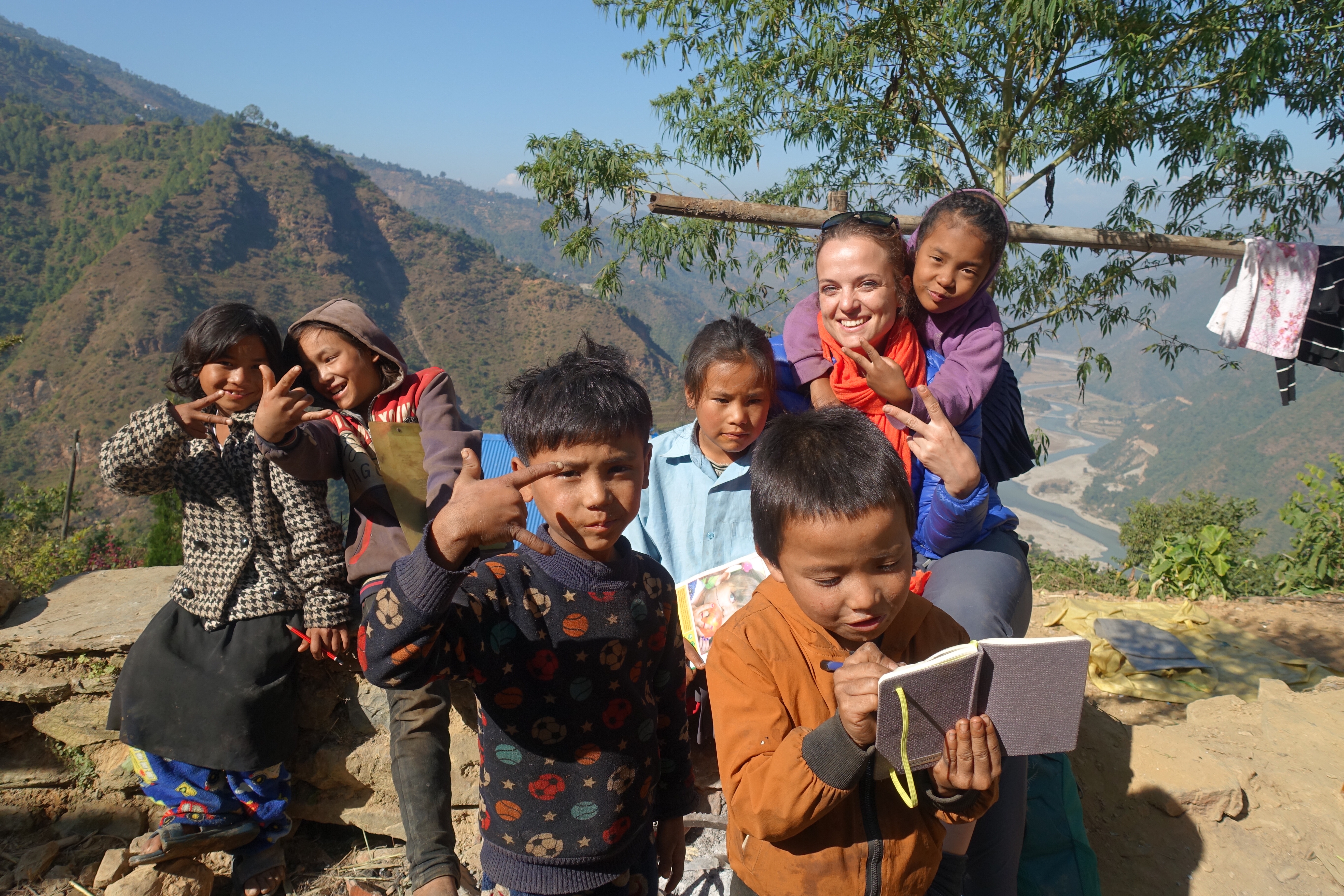
Some of the village kids. 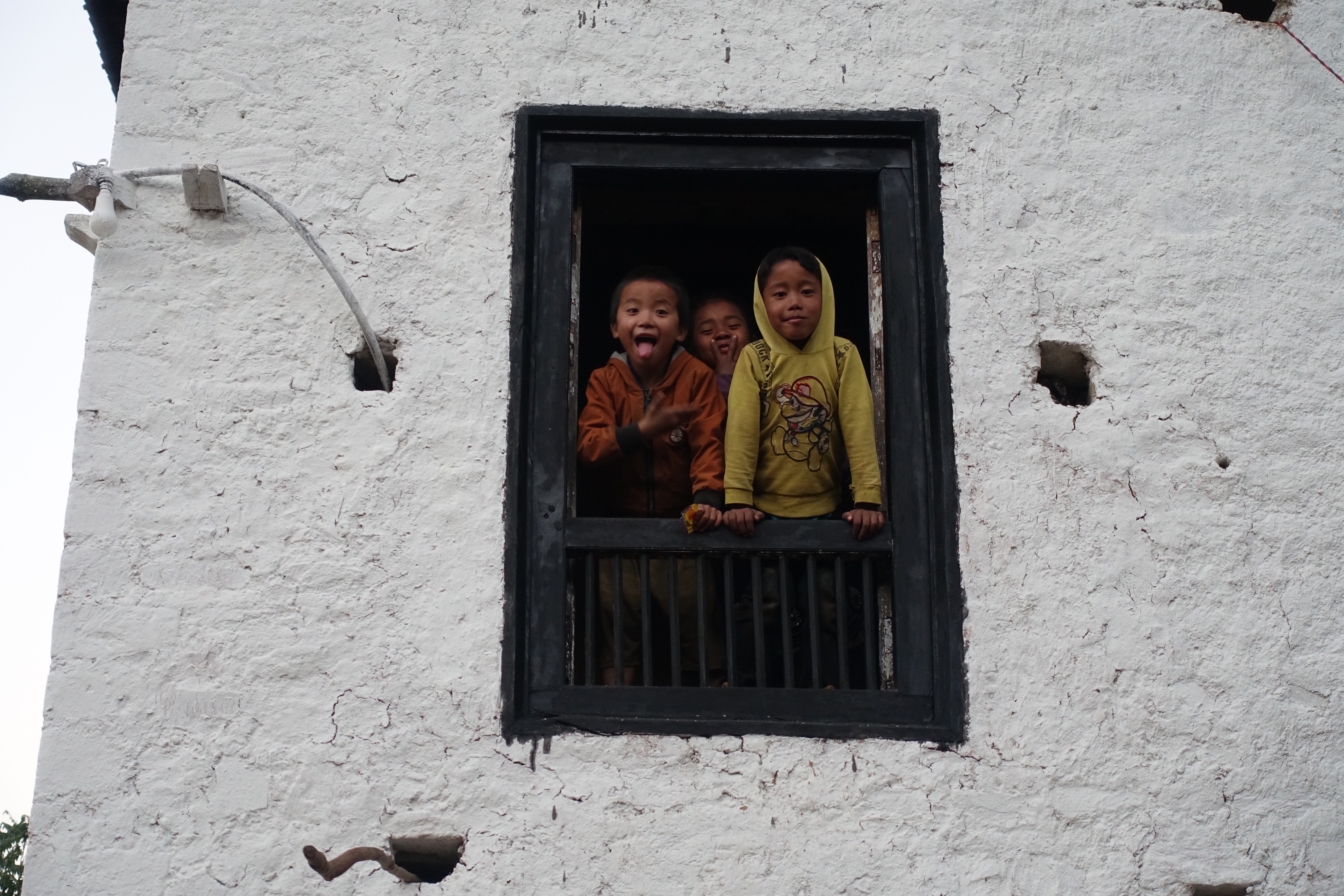
Cheeky. 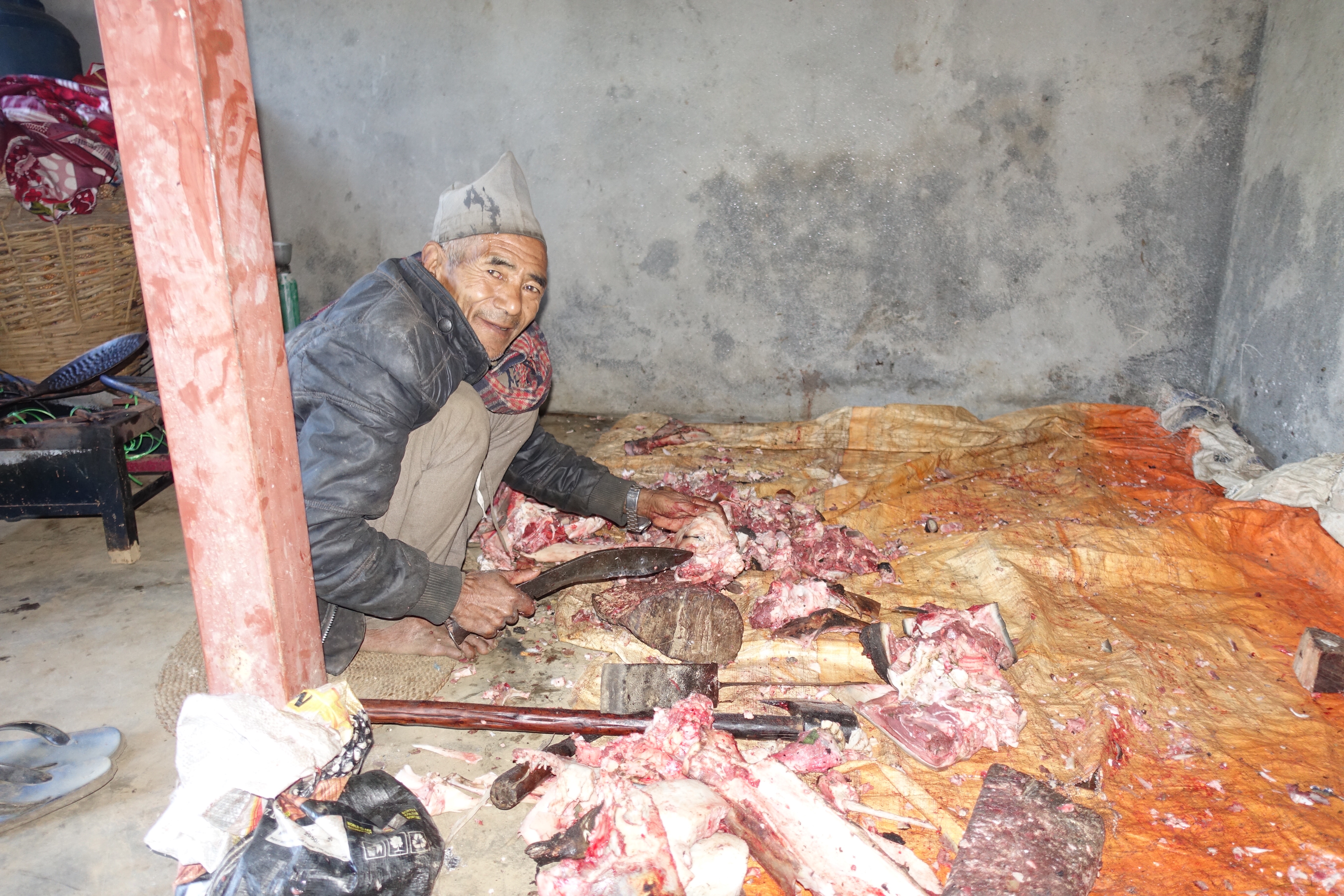
The butcher. They were preparing the fresh meat in one of the rooms in the house. 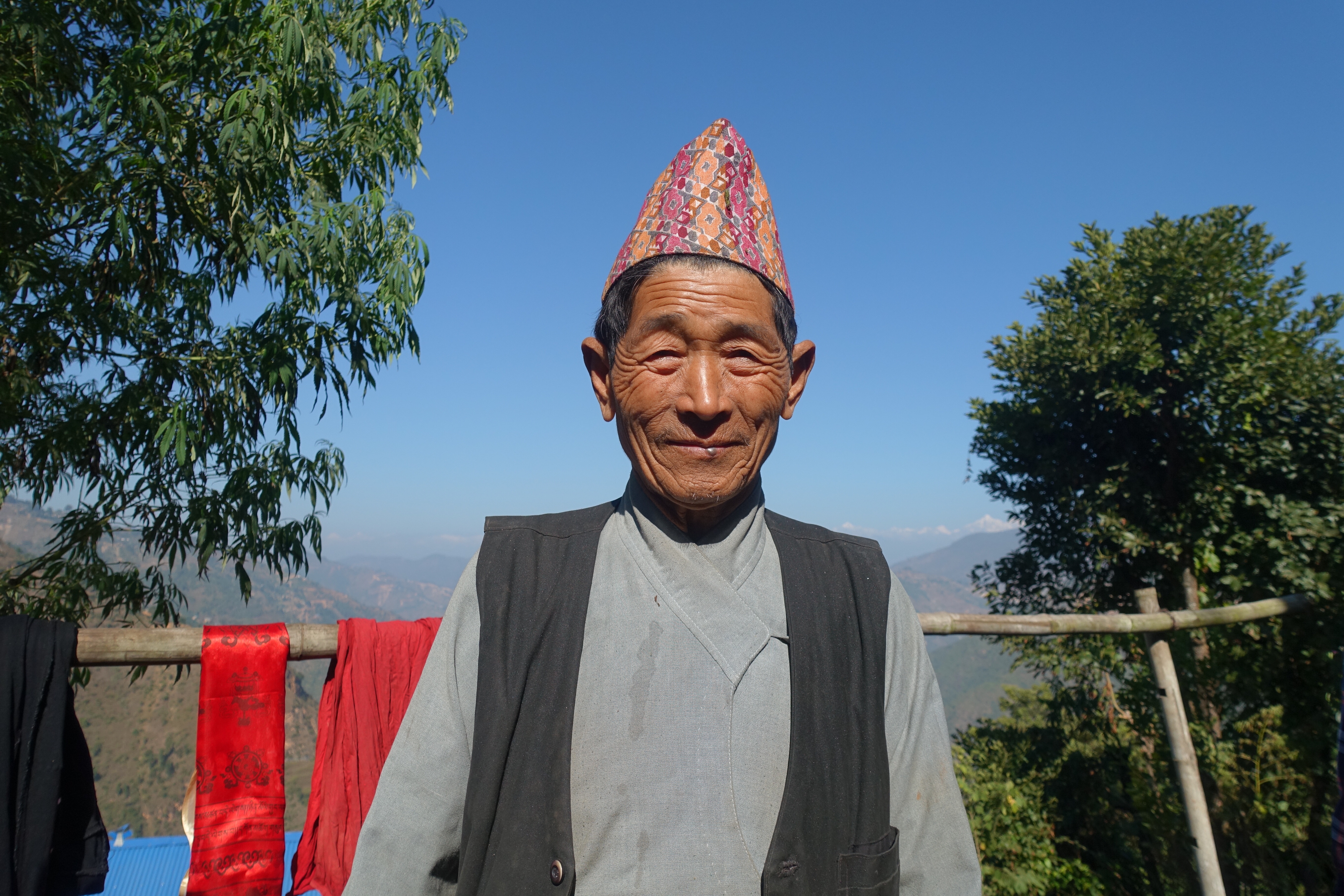
The guru, and father of the bride. 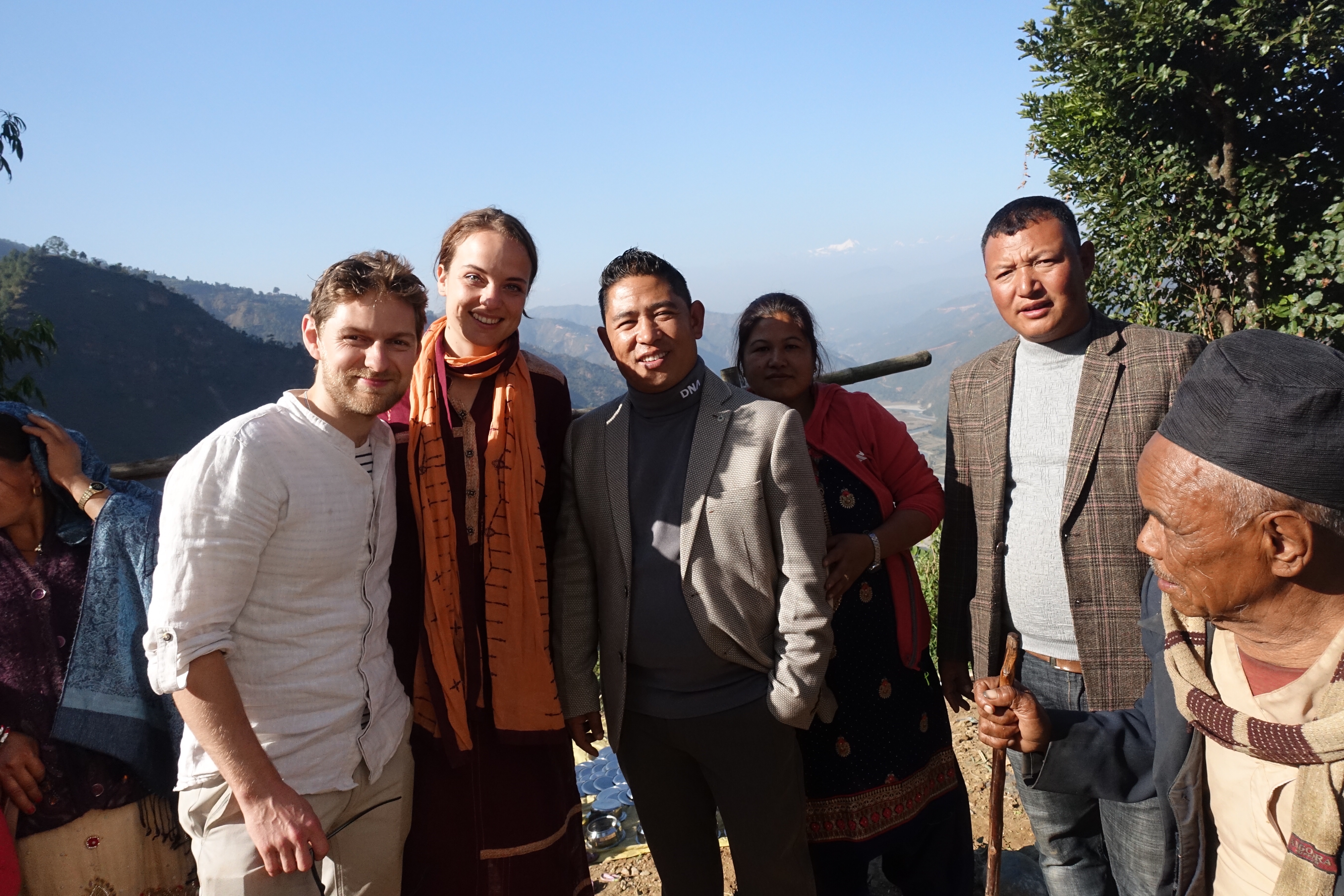
Pravat, his wife and Jwala. 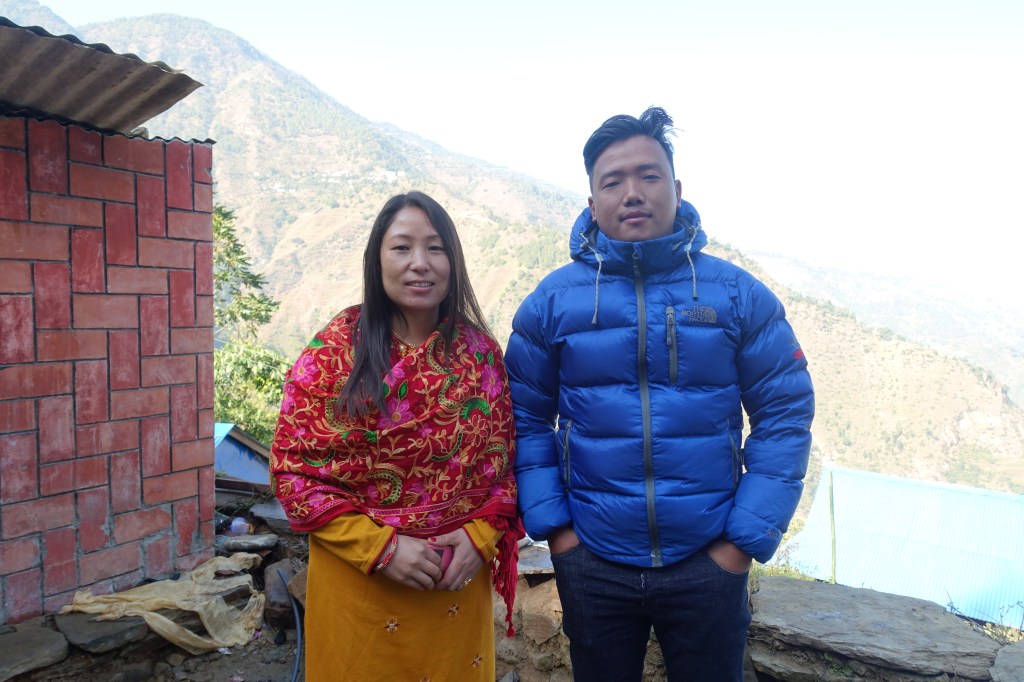
The newlyweds on the day after their wedding. 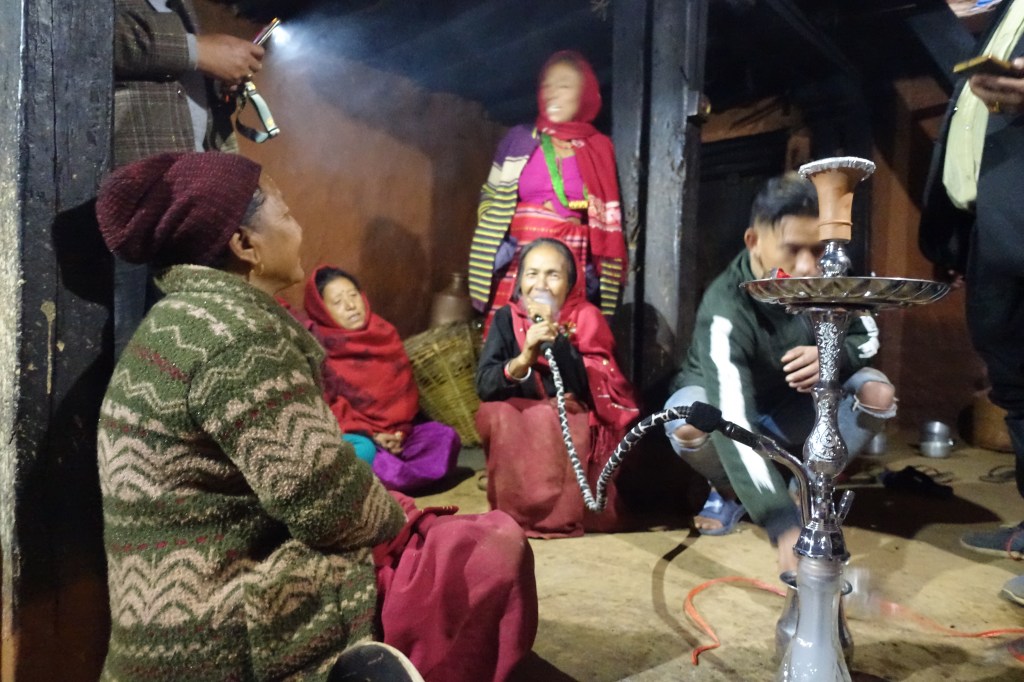
The party continued for a few days. This is the day after the wedding when the family tried out a hooka pipe for the first time.
 Pete & Jo on the go
Mooi verhaal weer! Leuk een bruiloft in hun cultuur mee te maken! Fijne reis😀😘
LikeLike